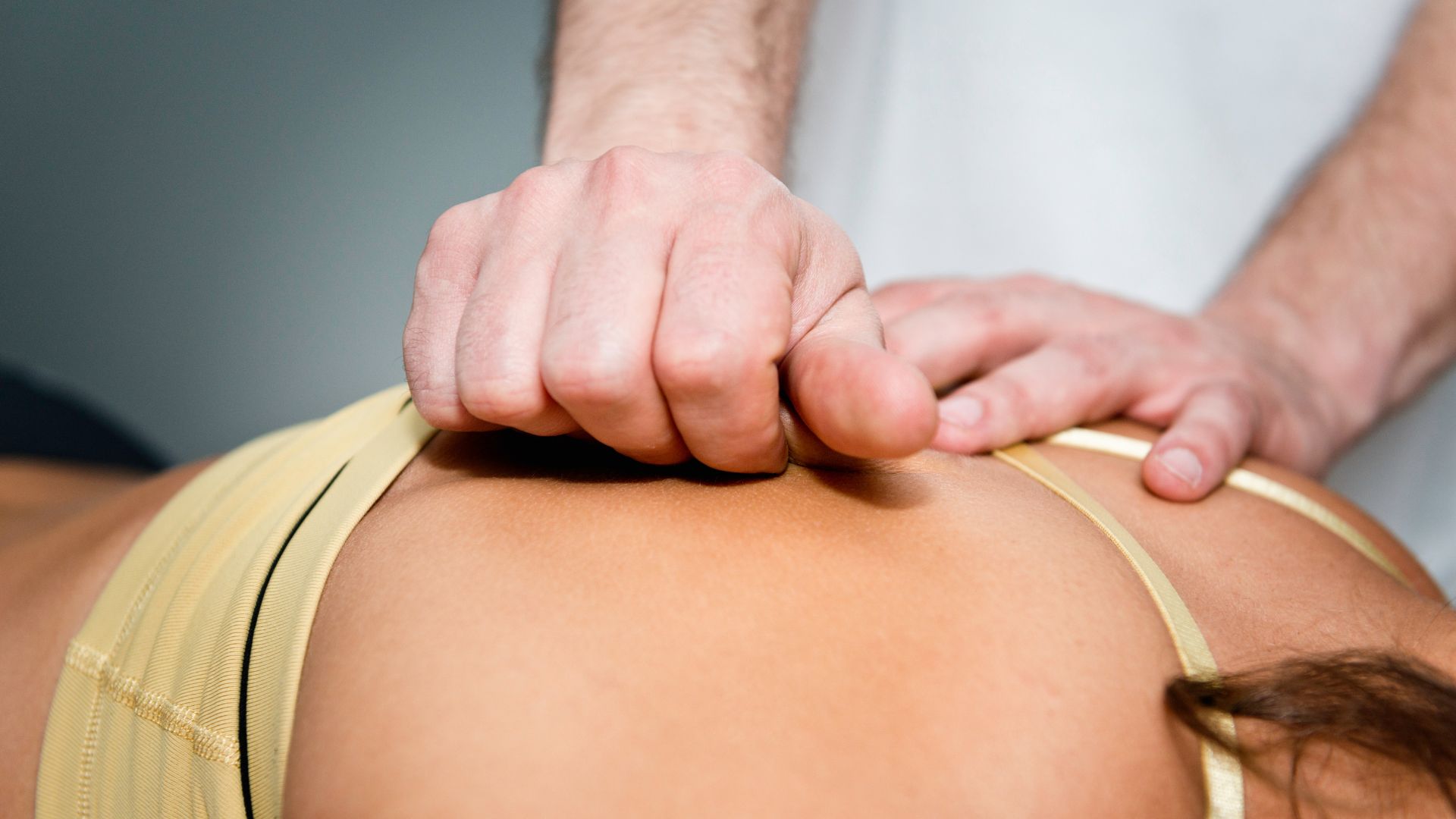
Does your neck feel stiff after a day at the computer? Are your shoulders tight after training, or do the same sore spots return even after stretching? If you are looking for muscle tightness relief, you may be deciding between massage therapy, cupping, and myofascial release. All three involve soft-tissue treatment, but they use different techniques and have different limitations.
The short answer: Massage may be a good option for temporary comfort, relaxation, and general muscle soreness. Myofascial release uses sustained or targeted pressure and may help some people feel less pain or move more comfortably. Cupping applies suction to the skin and may temporarily ease pain for some patients, although the evidence is limited. There is no reliable evidence that one approach is best for every type of muscle tightness.
The better choice depends on what is causing your symptoms, whether you have an injury or medical condition, what you can tolerate, and whether your main goal is immediate relief or lasting improvement in daily function.
Massage vs. Cupping vs. Myofascial Release: Quick Comparison
Massage Therapy
- How it works: Hands-on stroking, kneading, and pressure applied to muscles and other soft tissues.
- Best suited for: Relaxation, general muscle soreness, and short-term relief of tension or discomfort.
- Keep in mind: Pressure should remain comfortable. Deeper or more intense massage does not necessarily lead to better results.
Myofascial Release
- How it works: Targeted or sustained pressure and gentle stretching of muscles and surrounding connective tissue. Some approaches also use specialized tools.
- Best suited for: Localized muscle discomfort, perceived stiffness, and movement restrictions when hands-on care is appropriate.
- Keep in mind: Evidence does not establish that these techniques physically break up fascia or permanently reduce tissue stiffness.
Cupping Therapy
- How it works: Cups create suction that gently pulls the skin and superficial tissues upward rather than pressing downward.
- Best suited for: People seeking possible short-term relief from certain muscle aches or discomfort, after considering the limited evidence.
- Keep in mind: Temporary circular marks are common. Skin irritation, burns, and infection are possible, and long-term benefits are not well established.
The bottom line: None of these therapies is universally best. The most appropriate option depends on the cause of your symptoms, medical history, and functional goals. An evaluation can help determine whether soft-tissue treatment, exercise-based rehabilitation, or medical referral makes sense.
What Causes Persistent Muscle Tightness?
Muscles can feel tight for several reasons. Repetitive tasks, unfamiliar workouts, inadequate recovery, sustained positions, stress, and altered movement patterns can all contribute to soreness or a sensation of stiffness. In some cases, pain makes muscles feel guarded or difficult to move even when they are not objectively shortened.
A tight feeling also does not always mean the muscle itself is the problem. Joint irritation, tendon conditions, nerve involvement, or other medical issues may create discomfort that feels like a muscle knot. Identifying the likely cause is especially important when symptoms keep returning, spread into an arm or leg, or limit ordinary activity.
What Is Massage Therapy?
Massage therapy uses hands-on techniques such as kneading, gliding strokes, and varying levels of pressure across muscles and other soft tissues. Sessions can be designed around relaxation, generalized muscle soreness, or discomfort in a particular area. Deep tissue and sports massage are variations, not universally stronger or more effective versions of standard massage.
When might massage be a reasonable choice?
Massage may appeal to someone with widespread, nonurgent muscle tension, exercise-related soreness, or stress-associated discomfort who wants short-term relief. Some studies report improvements in pain or perceived discomfort, but evidence varies by condition, treatment, and outcome. Feeling looser after treatment does not necessarily mean tissue stiffness has physically changed.
What are massage’s limitations?
Massage cannot reliably correct poor sleep, training overload, weakness, or repetitive strain if these continue to contribute to symptoms. It also cannot substitute for assessment of numbness, progressive weakness, suspected blood clots, or other warning signs. Tell your provider about recent injuries, skin problems, medications, and health conditions before treatment.
At Elite Chiropractic Rehab & Wellness (opens in a new tab), massage sessions are offered by independent licensed massage therapists practicing within the Walnut Creek office. The massage therapy page describes deep tissue massage, sports massage, trigger point therapy, and prenatal massage among the available services.
What Is Myofascial Release?
Myofascial release is a broad term for hands-on or self-applied techniques using sustained pressure or controlled movement around muscles and the connective tissue known as fascia. Treatment may involve holding pressure over a tender area, guided stretches, or tools used for instrument-assisted soft-tissue mobilization (IASTM). These approaches can overlap with massage; the names do not describe entirely separate biological processes.
Can myofascial release improve flexibility and mobility?
Some research has reported modest short-term changes in perceived discomfort or range of motion, particularly with self-myofascial release and athletic populations. However, the size and duration of the benefit vary. Current evidence does not consistently support claims that myofascial release physically breaks down adhesions, lengthens fascia, or permanently changes muscle stiffness.
What is instrument-assisted soft-tissue mobilization?
IASTM uses specially shaped tools to apply controlled pressure or movement over soft tissues. It may be used as one component of rehabilitation, but the use of a tool does not prove a deeper or more lasting result than hands-on treatment. Pressure and treatment intensity should be adjusted to the person’s comfort, skin condition, and health history.
Elite Chiropractic lists myofascial release and IASTM among its therapeutic services in Walnut Creek. Your clinician may discuss whether these options fit your symptoms and movement limitations.
What Is Cupping Therapy?
Cupping uses suction created inside a cup placed on the skin. In dry cupping, the skin is not deliberately punctured. Some techniques keep cups in one place for a period of time, while others move them across the skin. The sensation is different from massage because the cup pulls on superficial tissues rather than pressing downward.
Does cupping help muscle tightness?
Some people report temporary relief from muscle discomfort or pain after cupping. However, the National Center for Complementary and Integrative Health notes that most cupping research is low quality and that evidence for pain reduction is not strong. There is not enough high-quality evidence to conclude that cupping produces lasting improvements in flexibility, tissue recovery, or function.
What do cupping marks mean?
Cupping commonly causes round red or purple marks that gradually fade. They result from the suction’s effects on superficial blood vessels, not from toxins leaving the body. Darker marks do not demonstrate that treatment worked better, and cupping should not be promoted as a proven detoxification method.
Is cupping safe for everyone?
No. Cupping can cause soreness, skin discoloration, blisters, burns, scarring, or infection. People with fragile skin, active skin conditions, bleeding disorders, or blood-thinning medication use should disclose these issues and seek medical guidance before treatment. Avoid cupping over broken or infected skin. Any equipment should be cleaned and handled appropriately, and treatment should stop if it causes concerning pain or skin injury.
Which Is Better for Different Types of Muscle Tightness?
Tight neck and shoulders from desk work
Massage or gentle soft-tissue care may provide temporary comfort, but frequent breaks, changing positions, comfortable movement, and appropriate neck and shoulder exercises may matter more if discomfort keeps returning. Ongoing headaches, arm numbness, or weakness require assessment.
Sore muscles after a workout
For ordinary delayed-onset muscle soreness after unfamiliar exercise, time, gradual movement, sleep, and appropriate recovery are often sufficient. Massage or other treatments may help you feel more comfortable, but they are not required for normal recovery. Severe muscle pain with marked swelling, profound weakness, or dark urine requires urgent medical attention.
Recurring localized muscle knots
Myofascial techniques, massage, or targeted rehabilitation may be considered when a tender area keeps returning. A clinician should examine movement patterns, exercise load, joint function, and potential nerve-related causes rather than assuming every painful spot is an adhesion that must be released.
Tightness after an injury
A new injury should be assessed before using vigorous pressure or suction. If the tissue is acutely inflamed, bruised, torn, or painful with weight bearing, deep massage or cupping may worsen discomfort. The plan may initially emphasize protection, appropriate activity, and gradual loading before hands-on approaches are considered.
Ongoing stiffness that limits movement
When stiffness affects work, sleep, sports, or everyday function, the most useful intervention may be a combination of evaluation, progressive exercise, education, and selected symptom-relief treatments. Persistent restrictions should not be managed indefinitely with passive therapy alone.
Do You Need Massage, Cupping, and Myofascial Release Together?
Not necessarily. Combining techniques is not automatically better than choosing one or prioritizing exercise-based care. Several treatments in one session can increase cost, treatment time, and the chance of temporary soreness without a clear added benefit. A clinician should explain the purpose of each proposed technique, what improvement to expect, and how progress will be measured.
For example, someone with stiff shoulders might begin with tolerable movement exercises and workplace adjustments, with a brief hands-on intervention if it helps them participate more comfortably. Someone returning from a sports injury may need a graded strengthening plan rather than repeated passive treatments. Care should change if symptoms fail to improve.
How to Make Muscle Tightness Less Likely to Return
- Build regular movement into your day. If you sit for long periods, take brief breaks to stand, change position, or walk when possible.
- Increase training gradually. Sudden jumps in workout volume or intensity can contribute to post-exercise soreness and overuse symptoms.
- Strengthen the affected area appropriately. Progressive, tolerable strengthening may improve capacity for repetitive activities and sports.
- Support recovery with adequate sleep and reasonable activity pacing. Stress, poor sleep, and overloading can influence how strongly discomfort is experienced.
- Monitor what matters. Track whether you can move, work, exercise, or sleep more comfortably instead of relying only on how a muscle feels immediately after treatment.
When Should You Get Muscle Tightness Evaluated?
Schedule a professional evaluation if tightness keeps returning, lasts for several weeks, limits your range of motion or usual activities, or accompanies persistent pain. Numbness, tingling, weakness, unexplained swelling, or pain after an injury may indicate that the issue needs a different type of assessment.
Seek urgent medical attention for sudden severe weakness, a swollen painful leg with concern for a blood clot, or severe muscle pain with dark urine after intense exertion. Chest pain, shortness of breath, or neurological symptoms such as facial drooping or trouble speaking require emergency care.
Muscle Tightness Care at Elite Chiropractic Rehab & Wellness in Walnut Creek
At Elite Chiropractic Rehab & Wellness, the team assesses symptoms, movement limitations, relevant health history, and activity goals before discussing treatment options. Depending on the findings, options may include myofascial release, IASTM, cupping, chiropractic care, or therapeutic exercise. Appropriate referral is important when findings suggest a condition outside routine musculoskeletal care.
Explore the clinic’s therapeutic services page (opens in a new tab) for myofascial release, IASTM, and cupping; the sports rehab therapy page (opens in a new tab) for movement-focused rehabilitation; and the massage therapy page (opens in a new tab) for services offered by independent licensed massage therapists within the office.
Elite Chiropractic Rehab & Wellness is located in Walnut Creek and serves patients from Pleasant Hill, Concord, Lafayette, and other East Bay communities. Care should be individualized, with realistic goals and reassessment of what helps.
Frequently Asked Questions
Is myofascial release the same as massage?
Not exactly, though they overlap. Massage includes various hands-on soft-tissue techniques, while myofascial release usually emphasizes sustained or targeted pressure and movement. Neither has been shown to permanently release fascia in the way the name may imply.
Is cupping better than massage for muscle knots?
There is not enough strong comparative evidence to say cupping is better. Both may offer temporary relief for some people, and treatment selection should account for comfort, symptoms, cost, and safety.
Does deep tissue massage work better than gentle massage?
Not necessarily. More pressure does not guarantee better results, and excessive pressure can cause soreness or bruising. Treatment intensity should match your comfort and health needs.
Can myofascial release break up scar tissue?
Claims that manual pressure or IASTM mechanically breaks up scar tissue or adhesions are not well established. These techniques may change how pain or movement is perceived in the short term, but they should not be described as proven tissue remodeling treatments.
How long do cupping marks last?
Marks often fade over several days, although the duration varies. Blisters, worsening pain, spreading redness, or signs of infection are not expected results and should be medically assessed.
Should cupping hurt?
You may feel pulling or pressure, but severe pain is not a goal or a sign of effectiveness. Tell the provider immediately if the sensation is uncomfortable, burning, or too intense.
Is massage safe for someone with a recent injury?
It depends on the injury. Fresh bruising, suspected muscle tears, fractures, significant swelling, or certain medical conditions may make massage inappropriate until a clinician evaluates the area.
Can massage or cupping replace stretching and strengthening?
Usually not when the goal is lasting function. Symptom-relief techniques may support comfort, but gradual movement, strengthening, activity modification, and addressing contributing factors are often important parts of a rehabilitation plan.
How many sessions will I need for muscle tightness?
There is no universally correct number. The likely cause, symptom history, response to care, and goals should guide decisions. Ask your provider how improvement will be assessed before agreeing to repeated sessions.
Which treatment is best for athletes?
Athletes may find massage or selected soft-tissue techniques helpful for short-term comfort, but training load management, rehabilitation exercises, and sport-specific strengthening often have a larger role in returning to activity. The best plan depends on the sport and injury.
Find an Individualized Approach to Muscle Tightness in Walnut Creek
The right question is not simply whether massage, cupping, or myofascial release is strongest. It is which approach fits your symptoms and helps you move and function better. If recurring muscle tightness, soreness, or reduced mobility is affecting your routine, schedule an evaluation with Elite Chiropractic Rehab & Wellness to discuss appropriate options.
Call 925-476-5070 or visit https://elitecrw.com/ to request an appointment. The office is located at 2021 Ygnacio Valley Rd, Suite A3, Walnut Creek, CA 94598.
Medical disclaimer: This article is educational and does not replace a diagnosis, personal medical advice, or urgent care for concerning symptoms.