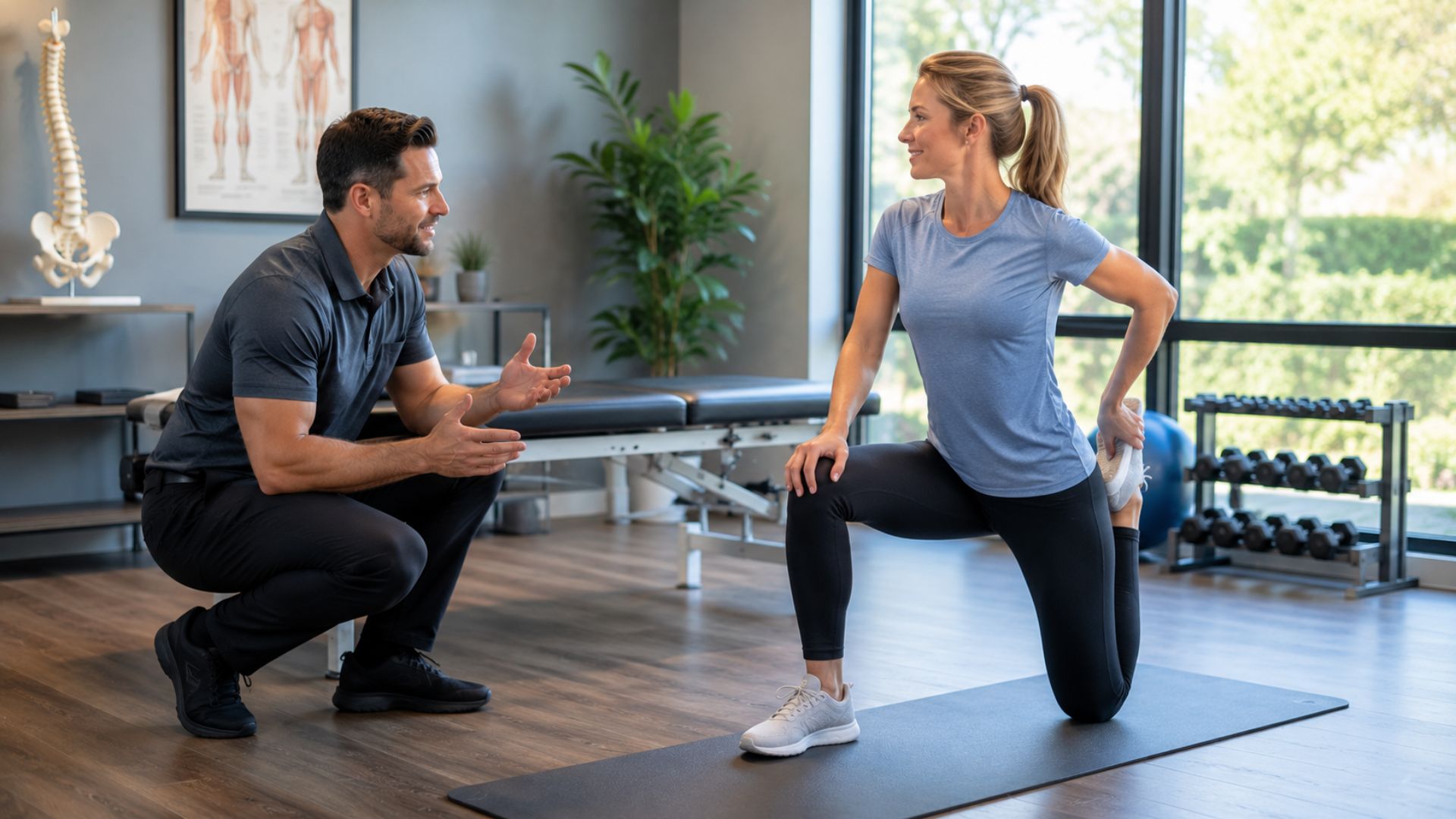
So you just left your chiropractor’s office feeling looser, taller, and maybe even a little energized.
Your first instinct might be to head straight to the gym and make the most of that newfound mobility. It feels like the right move – but is it?
This is one of the most common questions people ask after a spinal adjustment, and the answer is a little more nuanced than a simple yes or no. Let’s break it down so you know exactly what to do – and what to avoid – after your next chiropractic visit.
What Actually Happens During a Chiropractic Adjustment?
A chiropractic adjustment involves applying controlled force to specific joints in your spinal column to restore proper alignment, improve mobility, and reduce pain. When your chiropractor manipulates a joint, it does more than just “crack” something into place.
Your central nervous system is directly affected. The adjustment sends new signals through your nervous system, helping your brain and body recalibrate how muscles fire, how joints move, and how your body holds posture. Think of it as a reset – a recalibration of the communication between your spine and the rest of your body.
Your muscles, ligaments, and surrounding soft tissues are also responding in real time. There may be mild soreness (opens in a new tab), some fatigue, or a temporary feeling of looseness as your body begins integrating the changes.
Why Jumping Straight Into a Workout Can Be Counterproductive
Here is the thing most people do not think about: your body is in a vulnerable and receptive state immediately after an adjustment. Jumping into intense exercise – especially strength training or heavy lifting – can undo the work your chiropractor just did.
When you load your muscles and joints too soon, you risk reinforcing old movement patterns that your body was just corrected away from. Your muscles have a kind of memory, and under physical stress, they tend to snap back to their old habits. This can compromise your spinal posture (opens in a new tab) and reduce the effectiveness of your chiropractic treatment.
There is also the issue of injury risk. Your joints are more mobile immediately after an adjustment, which sounds like a good thing – and it is – but it also means they are slightly less stable than usual. High-impact or heavy exercise during this window raises your risk of strain.
How Long Should You Wait to Exercise After an Adjustment?
Most chiropractors recommend waiting at least 30 minutes to a few hours before returning to light activity, and 24 hours before engaging in any intense or high-load exercise. However, this can vary based on a few factors:
- The reason you sought care: Are you recovering from an injury, or coming in for maintenance? Recovery cases typically require more rest.
- The intensity of your adjustment – A more aggressive spinal adjustment may leave your muscles and nervous system needing more time to settle.
- Your current physical fitness level – Conditioned athletes (opens in a new tab) may bounce back faster, but that does not mean they should skip the waiting period entirely.
- How your body responds post-adjustment – If you feel soreness, fatigue, or dizziness, your body is telling you to rest.
When in doubt, ask your chiropractor directly. At Elite Chiropractic Rehab & Wellness in Walnut Creek, every patient gets personalized guidance based on their specific condition and goals.
What Types of Exercise Are Safe After an Adjustment?
Not all movement is off the table. In fact, gentle, low-impact activity after a chiropractic adjustment can actually support the healing process by improving circulation and keeping your muscles engaged without overloading your joints.
Safe Options in the Hours Following an Adjustment
- Walking is generally the most recommended activity. It promotes blood flow, encourages healthy muscle engagement, and supports your hemodynamics without stressing your spine.
- Gentle yoga or light stretching can be beneficial, provided you are not pushing into extreme ranges of motion. Yoga focused on breathing and gentle movement – not power or hot yoga – is a reasonable choice.
- Light aerobic exercise such as a slow bike ride or easy swim is usually well-tolerated, as long as you are not going hard or competing.
What to Avoid Right After an Adjustment
- Heavy strength training or powerlifting
- High-impact sports or contact activities
- Intense aerobic exercise like sprinting or competitive cardio
- Any movement that causes sharp pain or discomfort
Supporting Your Recovery Beyond the Gym
Your long-term results from chiropractic care depend on more than just what you do in the hours after an adjustment. A few habits can significantly improve your outcomes:
- Stay hydrated. Adjustments can release stored tension and toxins from soft tissues. Drinking plenty of water helps your body flush these out and supports healthy joint function.
- Prioritize sleep. Your body does its deepest repair work during sleep. Getting quality rest after a chiropractic session allows your nervous system and muscles to fully integrate the changes made during your adjustment.
- Eat well. A healthy diet supports tissue repair, reduces inflammation, and fuels recovery. This is not a minor detail – nutrition plays a direct role in how quickly your body responds to chiropractic treatment.
- Follow through on recommended exercises. Many chiropractors, including the team at Elite Chiropractic Rehab & Wellness, prescribe specific rehabilitation movements (opens in a new tab) between visits.
These are designed to reinforce your adjustment – do not skip them in favor of your regular gym routine.
Listening to Your Body Is Always the Right Call
Every person’s body responds differently to chiropractic care, and that is not something to ignore. Some people feel immediate relief and energy after an adjustment. Others experience a temporary increase in soreness as their muscles and joints settle into a new alignment – this is normal and typically resolves within 24 to 48 hours.
Pay attention to the signs and symptoms your body is sending. Fatigue, mild achiness, or a sensation of your body “shifting” are all common. Sharp pain, numbness, or anything that feels unusual is a signal to contact your chiropractor right away.
How Long Should You Wait Before Working Out?
Waiting the right amount of time before exercising after a chiropractic adjustment is not about being overly cautious – it is about protecting your progress. Give your body the window it needs to integrate the adjustment, then ease back into movement with intention. If you are looking to recover smarter and perform better, explore how sports rehab therapy at Elite Chiropractic Rehab & Wellness (opens in a new tab) can complement your chiropractic care and help you reach your goals. Call 925-476-5070 to get started (opens in a new tab).