
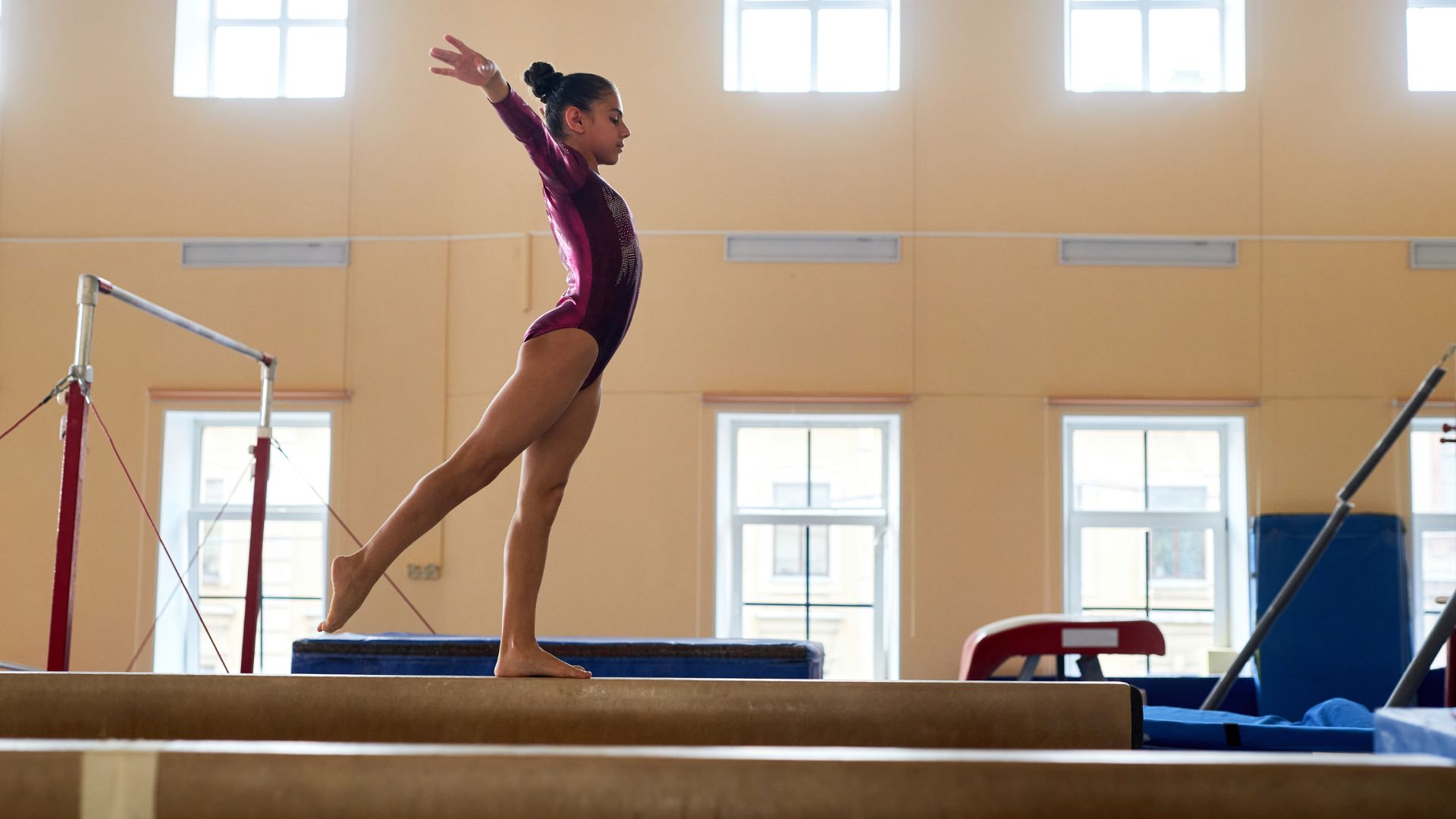
Youth gymnastics is a demanding sport. For young athletes training with local programs like Encore, Liberty, East Bay Gymnastics, and Ultimate Sports Connection, the flips, jumps, tumbling passes, and landings place enormous stress on the body, especially the ankles. Understanding ankle injuries in gymnastics is not just useful for coaches and parents; it is essential for protecting every gymnast’s health, future performance, and overall well-being.
Why Ankle Injuries Are So Common in Gymnastics
Gymnastics requires more from the ankle joint than almost any other sport. Every routine involves repeated impact, extreme ranges of motion, and single-leg landings that cause the ankle to absorb loads far beyond everyday activity.
Landings in gymnastics are particularly high-risk. When a gymnast lands from a vault or a tumble, the force traveling through the ankle, knee, and lower body can be several times their body weight. Over time, this repetitive stress creates conditions where both acute trauma and overuse injuries become increasingly likely.
Young athletes are especially vulnerable because their bodies are still developing. Growth plate injuries, also called epiphyseal plate injuries, are a serious concern in pediatric sports. A growth plate fracture in the ankle can affect how the bone develops if it goes untreated, which is why early evaluation matters so much.
Common Gymnastics Ankle Injuries to Know
Ankle Sprain
An ankle sprain is one of the most frequent injuries in gymnastics. A lateral ankle sprain occurs when the foot rolls outward, stretching or tearing the ligaments on the outer ankle. Swelling, tenderness, and difficulty bearing weight are the most common symptoms.
A sprain can range from mild ligament stretching to a complete ligament tear. Even a minor sprain deserves proper attention because untreated sprains can lead to chronic ankle instability and repeated injuries over time.
Stress Fracture
A stress fracture develops gradually from repetitive loading on the bone. In gymnastics, the ankle and foot are common sites for this type of injury. A gymnast experiencing persistent localized pain that worsens with activity – but has no single traumatic moment – may be dealing with a stress fracture rather than a soft tissue problem.
Growth Plate Injuries
Pediatric athletes face a unique risk that adult gymnasts do not. The growth plates near the ankle joint are weaker than the surrounding ligament and tendon tissue, which means an injury that might cause a sprain in an adult could cause a fracture in a young gymnast.
Tendon Injuries and Tendinopathy
The Achilles tendon and the tendons around the ankle are subjected to significant eccentric loading during gymnastics. Repetitive strain on these structures can lead to tendinopathy, characterized by pain, stiffness, and reduced range of motion. Left unaddressed, this can become a chronic issue that limits training and performance.
Osteochondritis Dissecans
Osteochondritis dissecans is a condition where cartilage and a small piece of bone loosen from the ankle joint due to inadequate blood supply, often worsened by repetitive impact. This is more common in young athletes and requires clinical evaluation by an orthopedic or sports medicine specialist.
Sever’s Disease
Sever’s disease, also known as calcaneal apophysitis, affects the heel and is particularly common in active children. It involves inflammation at the growth plate of the calcaneus where the Achilles tendon attaches. A gymnast with heel pain during or after training may be dealing with this condition.
Early Warning Signs Parents and Coaches Should Not Ignore
Catching a problem early is always better than managing a chronic injury later (opens in a new tab). Watch for these warning signs in any young gymnast:
- Persistent ankle pain that does not resolve with rest
- Swelling or tenderness around the ankle joint or heel
- A noticeable change in landing mechanics or a reluctance to jump
- Pain that worsens progressively through a training session
- Limping after practice or stiffness the following morning
- Any sensation of instability or “giving way” in the ankle
None of these symptoms should be dismissed as growing pains or routine soreness. If a gymnast mentions discomfort repeatedly, it is time to seek a proper evaluation.
For parents and coaches connected with Encore, Liberty, East Bay Gymnastics, or Ultimate Sports Connection, recurring ankle pain after practice should not be brushed off as normal soreness, especially when it affects landings, tumbling, or jumping confidence.
Prevention Tips for Young Gymnasts
Preventing ankle injuries starts with building a foundation of strength, flexibility, and movement quality.
A solid warm-up (opens in a new tab) before every practice session is non-negotiable. Dynamic movement that gradually increases ankle mobility and activates the surrounding muscle groups prepares the joint for the demands of gymnastics.
Single-leg balance and proprioception exercises help gymnasts develop the joint awareness needed to handle difficult landings safely. A gymnast who trains this kind of control is far less likely to roll an ankle during a routine.
Strength training for the lower leg, including the calf muscles and the muscles around the tibia (the shin), supports the ankle joint by distributing force more efficiently. Coaches should also emphasize biomechanical quality during landings, particularly ensuring the athlete is absorbing force through the whole foot rather than the toe or heel alone.
Nutrition plays a role, too. Adequate caloric intake, calcium, and vitamin D support bone density and reduce the risk of stress fractures in pediatric athletes. A gymnast who is underfueling faces a higher injury risk than one who is properly nourished.
Recovery and Rehabilitation After an Ankle Injury
Recovery from a gymnastics ankle injury depends on the type and severity of the injury. A mild ankle sprain may resolve with relative rest, ice, compression, and gradual rehabilitation exercises within a few weeks. A fracture or tear requires more structured care, and sometimes pediatric orthopedic involvement.
Physical therapy and sports rehab therapy (opens in a new tab) are cornerstones of a complete recovery.
Rehabilitation focuses on restoring the range of motion, rebuilding strength around the ankle joint, and retraining movement patterns to prevent reinjury.
At Elite Chiropractic Rehab & Wellness (opens in a new tab) in Walnut Creek, the team works with young athletes and their families to create personalized recovery plans. Whether it’s a sprain, tendon issue, or overuse injury, a sports rehab specialist can help restore function and get your gymnast back to training safely.
Conclusion
Ankle injuries are a real and serious concern in youth gymnastics, but they do not have to derail your athlete’s passion for the sport. Recognizing early warning signs, prioritizing prevention, and following a structured rehabilitation plan make all the difference.
If your young gymnast is experiencing ankle pain or recurring injuries, do not wait for it to worsen. Reach out (opens in a new tab) to the team at Elite Chiropractic Rehab & Wellness at 925-476-5070 or visit elitecrw.com to schedule an evaluation and take the first step toward lasting recovery.