
Walnut Creek Advanced Sports Therapy
Gymnastics Injury Care for Young Athletes in Concord & Walnut Creek
Young gymnasts are strong, disciplined, and incredibly driven. From tumbling passes and vault landings to bars, beam, flexibility work, and conditioning, gymnastics places constant demand on a growing athlete’s body.
At Elite Chiropractic Rehab & Wellness, we help young athletes in Concord, Walnut Creek, and nearby East Bay communities address gymnastics-related pain, improve movement, and recover with a plan that supports long-term athletic development. Whether your gymnast is dealing with wrist pain, ankle soreness, low back tightness, knee pain, shoulder strain, or recurring discomfort after practice, our goal is to help them move better and return to training with confidence.
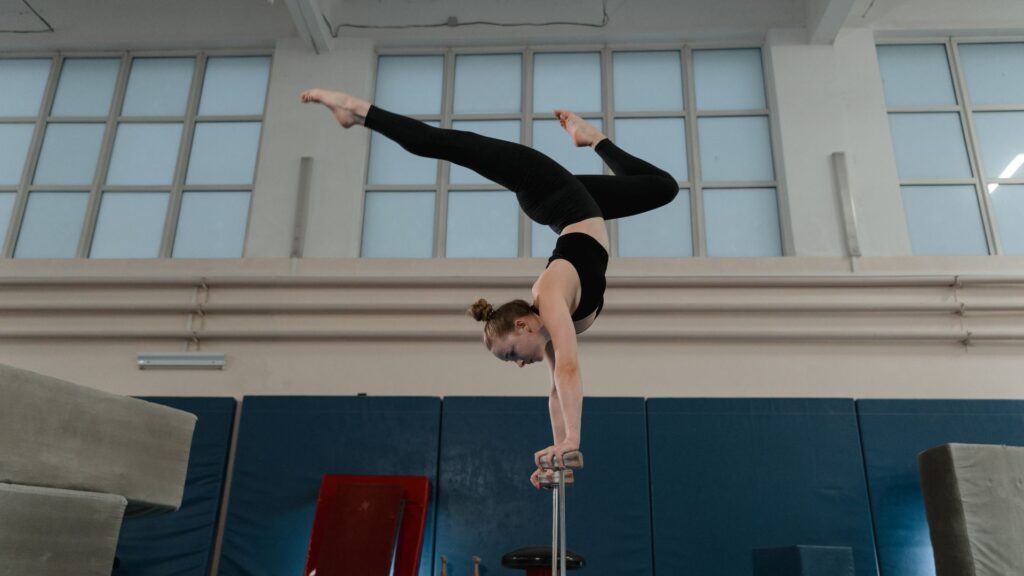

Helping Young Gymnasts Recover, Move Better, and Stay Active
Supporting Gymnastics Families in Concord, Walnut Creek, and Nearby East Bay Communities
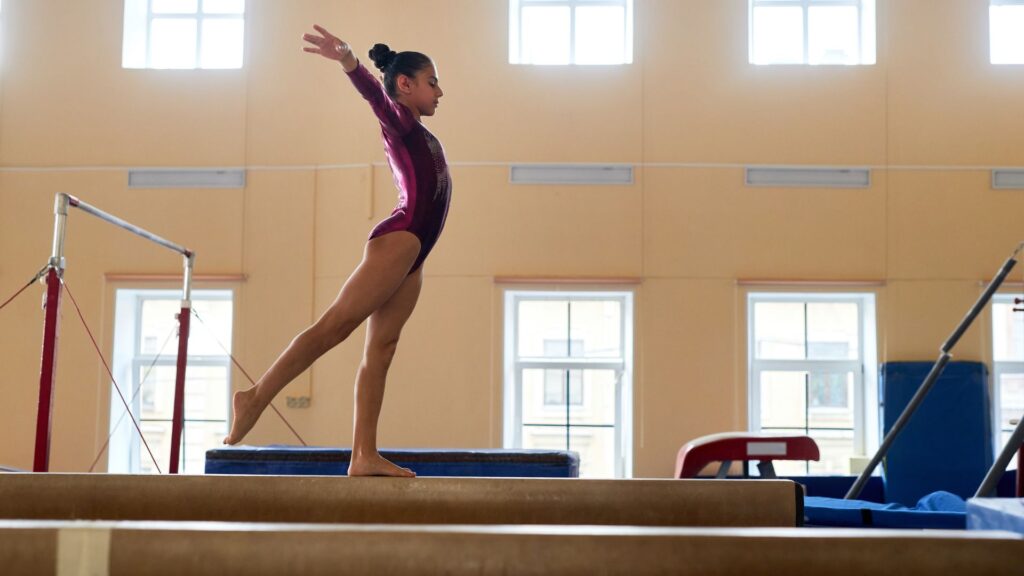
Common causes of Gymnastics injuries in young athletes include:
- Encore
- Liberty
- East Bay Gymnastics
- Ultimate Sports Connection
Is Your Young Gymnast Training Through Pain?
Some soreness after practice can be normal, especially after conditioning or learning new skills. But pain that keeps coming back, changes how your child moves, or limits their ability to participate is different from normal training fatigue.
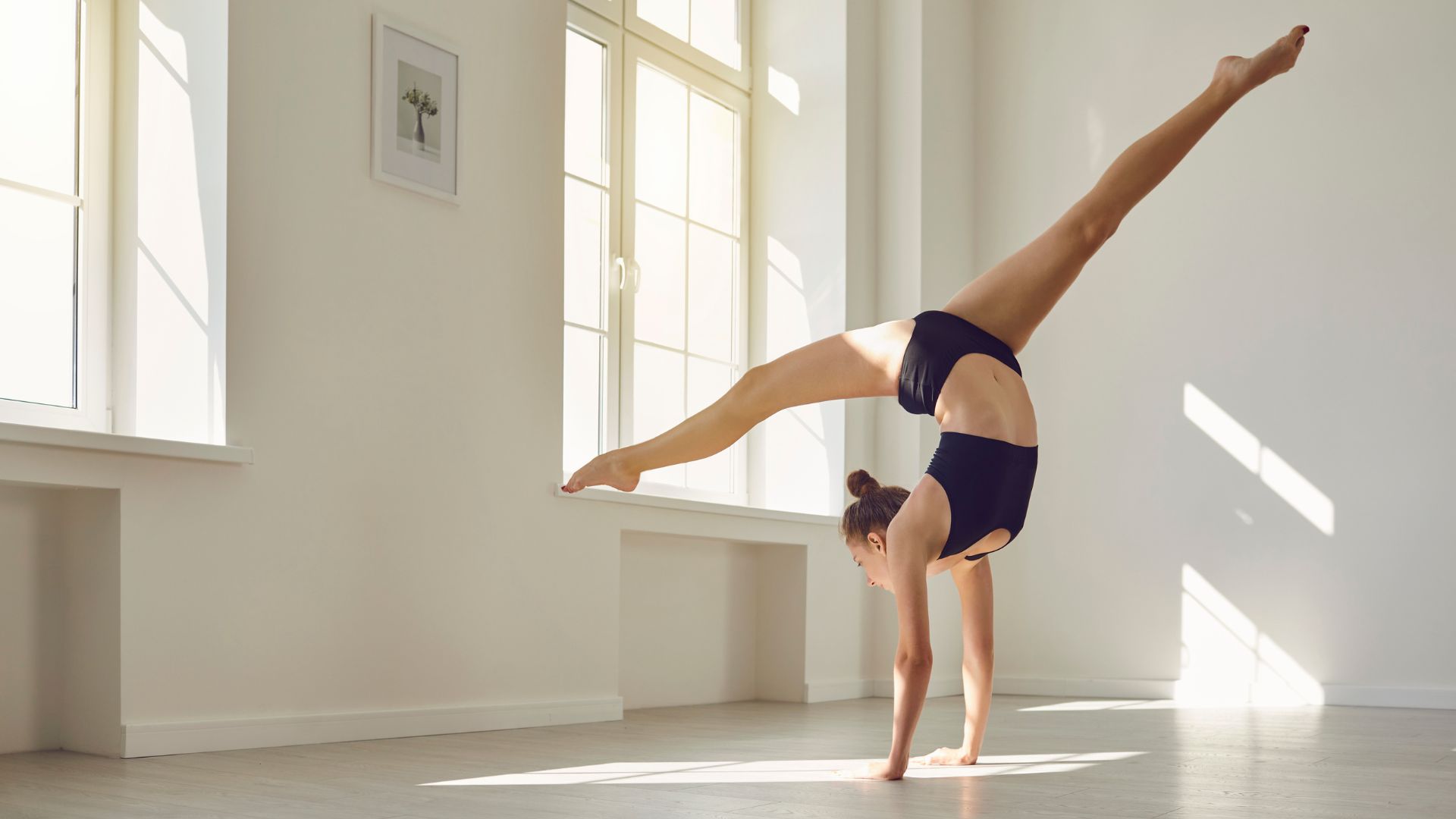
- Wrist pain during tumbling, vault, handstands, or bars
- Ankle pain or instability after landings
- Knee pain during jumping, squatting, or conditioning
- Low back pain with bridges, back bends, walkovers, or tumbling
- Shoulder pain during bars, handstands, or floor skills
- Hip tightness or discomfort during leaps, splits, or kicks
- Pain that improves with rest but returns during practice
- Limping or favoring one side
- Reduced flexibility, mobility, or strength
- Fear or hesitation when returning to a skill after pain
Pain does not always mean a serious injury, but it does mean the body needs attention.
Common Gymnastics Injuries in Young Athletes
Wrist Pain and Overuse Injuries
Ankle Sprains and Landing Injuries
Knee Pain and Growth-Related Stress
Low Back Pain in Gymnasts
Shoulder Pain and Upper Body Strain
Hip Pain and Flexibility-Related Strain
Why Gymnastics Injuries Happen in Growing Athletes
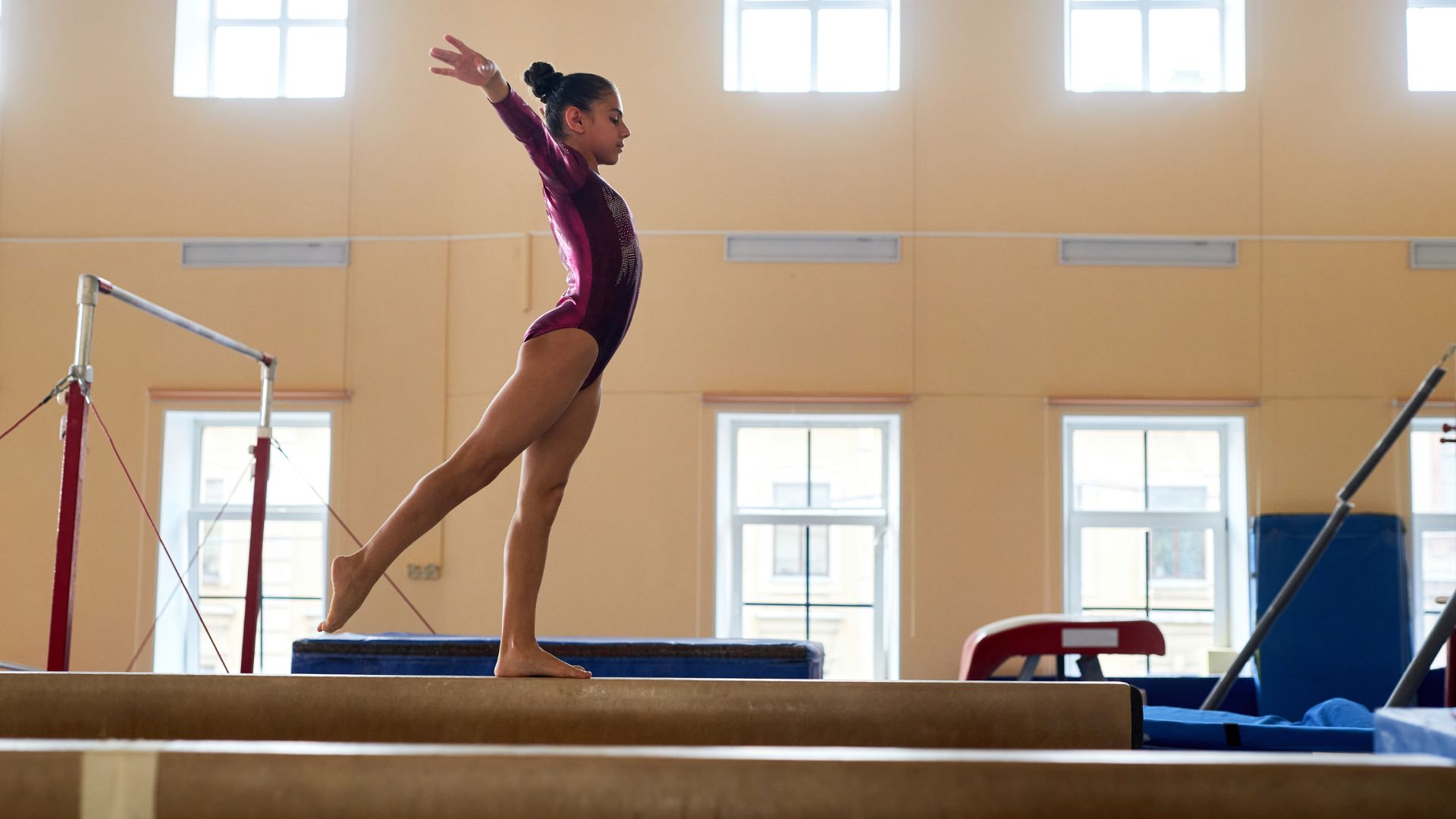
- Repetitive impact from jumping and landing
- Repeated weight-bearing through the wrists and shoulders
- Sudden increases in training volume
- Limited mobility in the shoulders, spine, hips, ankles, or wrists
- Weakness in stabilizing muscles
- Poor landing mechanics
- Flexibility demands without enough strength and control
- Growth spurts that change how the body moves
- Incomplete recovery after sprains or strains
- Dryland or conditioning exercises performed with poor form
- Ignoring early pain until it becomes harder to manage
Pain is not always caused by one single thing. Often, it develops from several small issues that build over time.
When Should a Young Gymnast Be Evaluated?
- Pain lasting more than a few days
- Pain that returns every practice
- Wrist pain with tumbling, bars, vault, or handstands
- Back pain during bridges, walkovers, or tumbling
- Ankle pain or instability after landings
- Knee pain with jumping, squatting, or conditioning
- Shoulder pain during weight-bearing skills
- Limping or favoring one side
- Reduced flexibility, strength, or range of motion
- Fear of returning to a skill because of pain
- Tingling, numbness, or radiating symptoms
- Pain that affects sleep, school, or daily activity
Our Sports Rehab Approach for Young Gymnasts
Movement and Mobility Assessment
We start by evaluating how your gymnast moves. This may include wrist mobility, shoulder control, spinal motion, hip mobility, ankle stability, balance, posture, strength, and landing mechanics.
For gymnasts, the painful area is not always the only area that needs attention. Wrist pain may be influenced by shoulder or upper back mechanics. Low back pain may be affected by hip mobility or core control. Knee pain may be connected to landing mechanics or ankle stiffness.
A full movement assessment helps us understand what may be contributing to the issue and how to build a more personalized plan.
Soft Tissue and Muscle Recovery Support
Gymnastics can create tightness and irritation in muscles that are repeatedly loaded during practice. Soft tissue work may be used to help address muscle tension, improve comfort, and support better movement.
Depending on the athlete’s needs, care may include support for the wrists, forearms, shoulders, neck, upper back, low back, hips, legs, or ankles.
Chiropractic Care When Appropriate
Chiropractic care may be part of a young gymnast’s care plan when joint mobility, spinal movement, or movement restrictions are contributing to symptoms.
At Elite Chiropractic Rehab & Wellness, care is personalized to the athlete. We focus on what is appropriate for the individual, with the goal of improving movement and supporting better function.
Strength, Stability, and Return-to-Gymnastics Support
Recovery is not only about reducing pain. Young athletes also need to regain strength, control, balance, and confidence before returning fully to skills.
We may include exercises that support wrist stability, shoulder control, core strength, hip strength, ankle stability, mobility, and landing mechanics. The goal is to help gymnasts return to activity in a way that is safer, more controlled, and more sustainable.
For some athletes, care may also include activity modification while symptoms improve. This may mean adjusting certain skills, limiting impact, changing conditioning exercises, or gradually progressing back to full training.
Care That Helps Gymnasts Return With Confidence
Young gymnasts want to keep training, improving, and doing the sport they love. Pain can be frustrating, especially when it affects skills they used to perform comfortably.
Our role is to help athletes recover with a plan that supports better movement, not just short-term relief. We focus on function, strength, mobility, and education so gymnasts can better understand their bodies and recognize when something needs attention.
- Better wrist, shoulder, spine, hip, and ankle mobility
- Improved strength and control
- Better landing mechanics
- Reduced compensation patterns
- Improved balance and body awareness
- Stronger core and shoulder stability
- Clear guidance on activity modification
- A gradual plan for return to skills
Helping Parents Know When Pain Is More Than Soreness
Why Choose Elite Chiropractic Rehab & Wellness for Gymnastics Injury Care?
- Sports rehab care near Concord and Walnut Creek
- A movement-based approach to injury recovery
- Care for wrist, ankle, knee, shoulder, hip, neck, and back concerns
- Personalized care plans based on each athlete’s needs
- Support for mobility, stability, strength, and function
- Parent-friendly communication and practical guidance
- Local care for families throughout the East Bay area
We do not believe young athletes should have to guess their way through pain. With the right evaluation and care plan, gymnasts can better understand what is happening and how to move forward.
Local Gymnastics Programs We’re Proud to Support
Encore
Liberty
East Bay Gymnastics
Ultimate Sports Connection
Schedule Gymnastics Injury Care Near Concord and Walnut Creek
We proudly support gymnastics families from Concord, Walnut Creek, and nearby East Bay communities. Whether your child is connected with Encore, Liberty, East Bay Gymnastics, Ultimate Sports Connection, or another local program, we can help you take the next step.