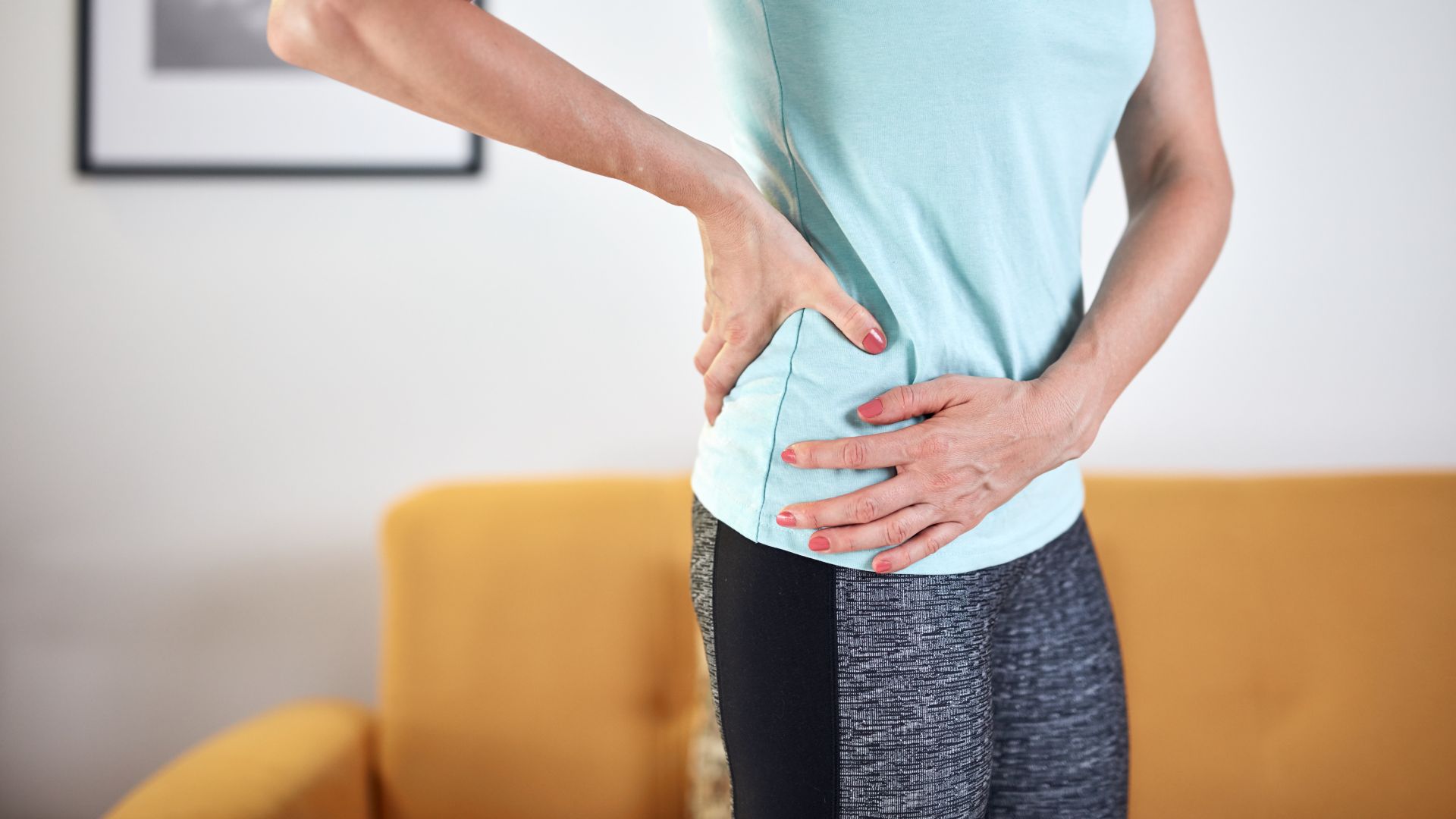
You feel an ache around your hip every time you stand up, climb stairs, or get out of the car. Naturally, you assume the hip joint is the problem. But pain in the hip area does not always start in the hip. The lower back, sacroiliac (SI) joint, surrounding muscles, and nerves can all contribute to discomfort that spreads into the buttock, outer hip, or thigh.
The reverse is also true: a problem within the hip joint can sometimes feel like lower back, buttock, or thigh pain. Because the hip and spine work together when you sit, walk, and bend, distinguishing one source from another often requires a careful examination.
Can Lower Back Problems Cause Hip Pain?
Yes. Conditions affecting the lumbar spine, including irritated spinal joints, discs, or nerve roots, can cause referred or radiating pain around the hip and buttock. Referred pain is discomfort felt in a location different from its source. If a nerve root is involved, symptoms may also include tingling, numbness, shooting pain, or weakness extending down the leg.
However, hip-area pain is not proof of a spine problem. Hip arthritis, tendon disorders, bursitis-related pain, muscle strains, and other conditions can produce similar symptoms. In some people, hip and lower-back conditions coexist, a situation clinicians call hip-spine syndrome.
Hip Pain vs. Lower Back Pain: Clues That May Help
Pain location: Deep groin or front-of-hip pain more commonly raises suspicion for a hip-joint problem. Pain starting in the lower back or buttock and traveling down the leg can suggest a spinal or nerve-related source. Either can overlap.
Movement triggers: Difficulty putting on socks, rotating the hip, or getting into a car may point toward restricted hip movement. Symptoms made worse by bending, prolonged sitting, or spinal positions may suggest back involvement, although these are not diagnostic tests.
Sensation: Burning, electric-shock pain, pins and needles, or numbness may indicate nerve involvement and warrant neurological assessment. Ordinary muscle or joint pain can also spread without a pinched nerve.
Walking: A limp or marked loss of hip rotation can support a hip source. Pain or leg heaviness that changes with standing, walking, or leaning forward may suggest some spinal conditions. Neither pattern identifies a diagnosis by itself.
The takeaway: the pattern of pain is useful information, not a substitute for examination. A clinician may need to evaluate both the hip and lumbar spine.
Common Lower Back Conditions That Can Feel Like Hip Pain
Lumbar muscle and joint-related pain
Strains, irritated joints, and altered movement patterns in the lower back can cause aching across the beltline, buttock, or upper hip. These symptoms are often influenced by posture, lifting, activity level, or particular movements. A painful location alone does not reveal which tissue is responsible.
Lumbar disc problems
A bulging or herniated lumbar disc may irritate a nearby nerve root. Depending on the nerve involved, symptoms may travel through the buttock and into the leg. Some people experience more leg pain than back pain, while others mainly notice aching in the lower back.
Sciatica or lumbar radiculopathy
Sciatica describes pain along the sciatic nerve pathway, often from the buttock into one leg. Lumbar radiculopathy refers more specifically to dysfunction of a spinal nerve root. Tingling, numbness, changes in reflexes, or weakness increase concern for nerve involvement. Not all buttock pain is sciatica.
Lumbar spinal stenosis
Spinal stenosis is narrowing around spinal nerves. In some patients it causes buttock or leg discomfort, numbness, or heaviness with standing or walking, sometimes easing when sitting or leaning forward. Other conditions can produce similar symptoms.
Sacroiliac joint-related pain
The sacroiliac joints connect the lower spine and pelvis. Pain associated with this region can be felt in the lower back, buttock, or near the hip, and may worsen with certain transitions or weight-bearing activities. SI joint pain can resemble other hip and spine conditions, so clinicians use multiple findings rather than relying on a single test.
When the Hip Joint or Surrounding Tissues Are the Source
Hip osteoarthritis: Joint cartilage changes can cause groin pain, stiffness, limping, and difficulty rotating the hip. Pain may also be felt in the buttock or thigh.
Greater trochanteric pain syndrome: Problems involving tissues around the outer hip, including gluteal tendons, often cause tenderness on the side of the hip and discomfort when lying on that side.
Hip flexor or other muscle/tendon injuries: Sports, sudden changes in activity, or repetitive loading may cause pain with resisted movement or stretching.
Labral injury or femoroacetabular impingement: Some people experience deep groin pain, catching, or discomfort with twisting and bending the hip. Symptoms are not specific enough to confirm these diagnoses without assessment.
Some less common causes, including fractures, infection, or problems outside the musculoskeletal system, also need consideration when symptoms or medical history are concerning.
Why the Hip and Lower Back Affect Each Other
Your lumbar spine, pelvis, and hip joints share the work of balancing your body during walking, sitting, squatting, and lifting. When one area becomes stiff or painful, you may unconsciously change how you move. Reduced hip mobility can increase demands on nearby areas; likewise, lower-back pain can change your gait and hip movement.
This relationship does not mean every hip symptom is caused by poor posture, pelvic misalignment, or a spinal problem. In some patients, two conditions exist at once, so a successful plan may need to account for both.
How Clinicians Evaluate Hip Pain and Lower Back Pain
An evaluation begins with your story: where the pain first appeared, whether it travels, what movements aggravate it, what activities you have stopped doing, previous injuries, and any numbness or weakness.
A physical examination may include observing how you walk and stand, assessing lumbar and hip range of motion, testing strength and sensation, checking reflexes when indicated, and performing selected movement or provocation tests. No single maneuver reliably tells the whole story.
X-rays or other imaging are not automatically required for routine musculoskeletal pain. A medical clinician may recommend imaging, diagnostic injections, or specialist assessment when the diagnosis is uncertain, serious pathology is suspected, neurological deficits are present, or the result would change care.
What Can Help With Hip Pain That Comes From the Lower Back?
Care should match the likely source, severity, and safety findings. Options for appropriate uncomplicated musculoskeletal conditions may include the following.
Individualized exercise and mobility rehabilitation
A gradual program may focus on comfortable movement, hip mobility, trunk strength, balance, and restoring tolerance for walking, sitting, or working. Exercises should be adapted to your symptoms rather than pushed through severe or spreading pain.
Activity changes and self-care
Short movement breaks, changing positions, pacing activities, and temporarily reducing aggravating movements can help some people remain active. Avoid prolonged bed rest when it is safe to move. For a new injury, ice or gentle heat may offer temporary comfort, depending on the situation.
Chiropractic and manual therapy
For selected patients with musculoskeletal lower-back complaints, clinicians may consider chiropractic adjustments or other hands-on care alongside exercise and education. These treatments are not suitable for all causes of hip pain, and they should not be described as correcting every source of nerve pain or hip-joint disease. A clinician should review medical history and neurological findings before recommending them.
Soft-tissue care and sports rehabilitation
Soft-tissue treatment and targeted rehabilitation may help manage muscle-related discomfort and improve movement tolerance. Athletes and active adults may need a graded return-to-activity plan that addresses strength, loading, and the activities that originally triggered symptoms.
Medical referral when appropriate
If findings point to significant hip arthritis, suspected fracture, progressive nerve problems, or another condition outside chiropractic management, further medical evaluation may be needed. The most useful next step may be imaging, physical therapy, medication advice, or specialist assessment rather than a spinal adjustment.
When Is Hip or Back Pain an Emergency?
Seek emergency medical attention for severe hip pain after a fall or injury, inability to bear weight, or new bowel or bladder dysfunction, numbness in the groin/saddle region, or rapidly worsening leg weakness. A hot swollen hip with fever or feeling seriously unwell needs urgent same-day medical evaluation because infection is possible.
Arrange a routine but timely medical assessment if pain is worsening, disrupting sleep or daily activities, recurring, or not improving after about two weeks of sensible self-care. Seek earlier assessment for unexplained weight loss, a history of cancer, significant trauma, or persistent neurological symptoms.
What to Expect at Elite Chiropractic Rehab & Wellness in Walnut Creek
Elite Chiropractic Rehab & Wellness evaluates spinal movement, hip mobility, muscular function, neurological symptoms, and limitations in everyday activities to consider where discomfort may be coming from. Based on the findings, the team may discuss chiropractic care, soft-tissue treatment, therapeutic exercises, or mobility rehabilitation, with referrals when medical investigation is appropriate.
To learn more about related care, explore Elite’s low back pain treatment information (opens in a new tab), chiropractic services (opens in a new tab), and sports rehab therapy (opens in a new tab). These pages explain the clinic’s services, but the right treatment for hip-area pain still depends on an individual evaluation.
Frequently Asked Questions
How do I know if my hip pain is coming from my back?
Pain that starts in the lower back or buttock and travels into the leg, particularly with tingling or numbness, can suggest a spinal or nerve-related cause. Deep groin pain and limited hip rotation may point toward the hip joint. Because these patterns overlap, an examination is needed to identify the likely source.
Can lower back pain cause pain in only one hip?
Yes. Referred pain or nerve irritation from the lumbar region can affect one side. However, a one-sided hip condition can look similar, so location alone is not diagnostic.
Can sciatica feel like hip pain?
Yes. Sciatica often involves buttock pain and may be described as hip pain. It more typically follows a pathway into the leg, sometimes with burning, tingling, or numbness.
Does hip arthritis cause lower back pain?
It can. Painful or restricted hip movement may change how someone walks or moves, and hip arthritis and lumbar problems can coexist. Both areas may need evaluation.
Is pain on the outside of my hip caused by my spine?
Sometimes, but outer-hip pain commonly involves local tendons or other tissues. Tenderness when lying on that side may favor a local source, although it is not conclusive.
Can a chiropractor help with lower back and hip pain?
A chiropractor may help evaluate musculoskeletal symptoms and discuss selected hands-on care and rehabilitation approaches. Whether chiropractic treatment is appropriate depends on the diagnosis, the clinical findings, and any reasons for medical referral
Should I stretch my hip if the pain comes from my lower back?
Not automatically. Some movements help, while others aggravate irritated nerves or hip tissues. Begin with comfortable activity and seek individualized advice if pain radiates, intensifies, or is accompanied by neurological symptoms.
Do I need an MRI for hip pain?
Not always. A clinician typically starts with a history and examination. Imaging may be useful after an injury, when a serious cause is suspected, or when symptoms persist and results would guide treatment.
How long should I wait before getting hip pain checked?
Seek earlier care for severe pain, neurological symptoms, fever, or injury. For less urgent hip pain, arrange an evaluation if it affects your daily activities, keeps returning, or is not improving after around two weeks of self-care.
Find Out What May Be Causing Your Hip Pain
You should not have to guess whether your hip, lower back, or both are involved. If ongoing hip, buttock, or lower-back discomfort is limiting your day, schedule an evaluation with Elite Chiropractic Rehab & Wellness (opens in a new tab) in Walnut Creek. The practice also serves patients from Pleasant Hill, Concord, Lafayette, and surrounding East Bay communities.
Call 925-476-5070 or visit Elite Chiropractic Rehab & Wellness to discuss your symptoms and appropriate next steps. A clear evaluation can help you decide what care or referral makes sense for your situation.
Medical note: This article provides general education, not a diagnosis or individualized treatment advice. Emergency warning signs require immediate medical care.