
Gymnastics is one of the most demanding sports a child or adolescent can pursue. The strength, flexibility, and coordination it requires are impressive – but so is the physical toll it can take on a developing body. Among the most common complaints coaches and parents hear? Wrist pain.
If your young athlete is wincing through practice or rubbing their wrist after a round of back handsprings, whether they train with Encore, Liberty, East Bay Gymnastics, Ultimate Sports Connection, or another local gymnastics program, this article is for you.
Why Gymnasts Are Particularly Vulnerable to Wrist Problems
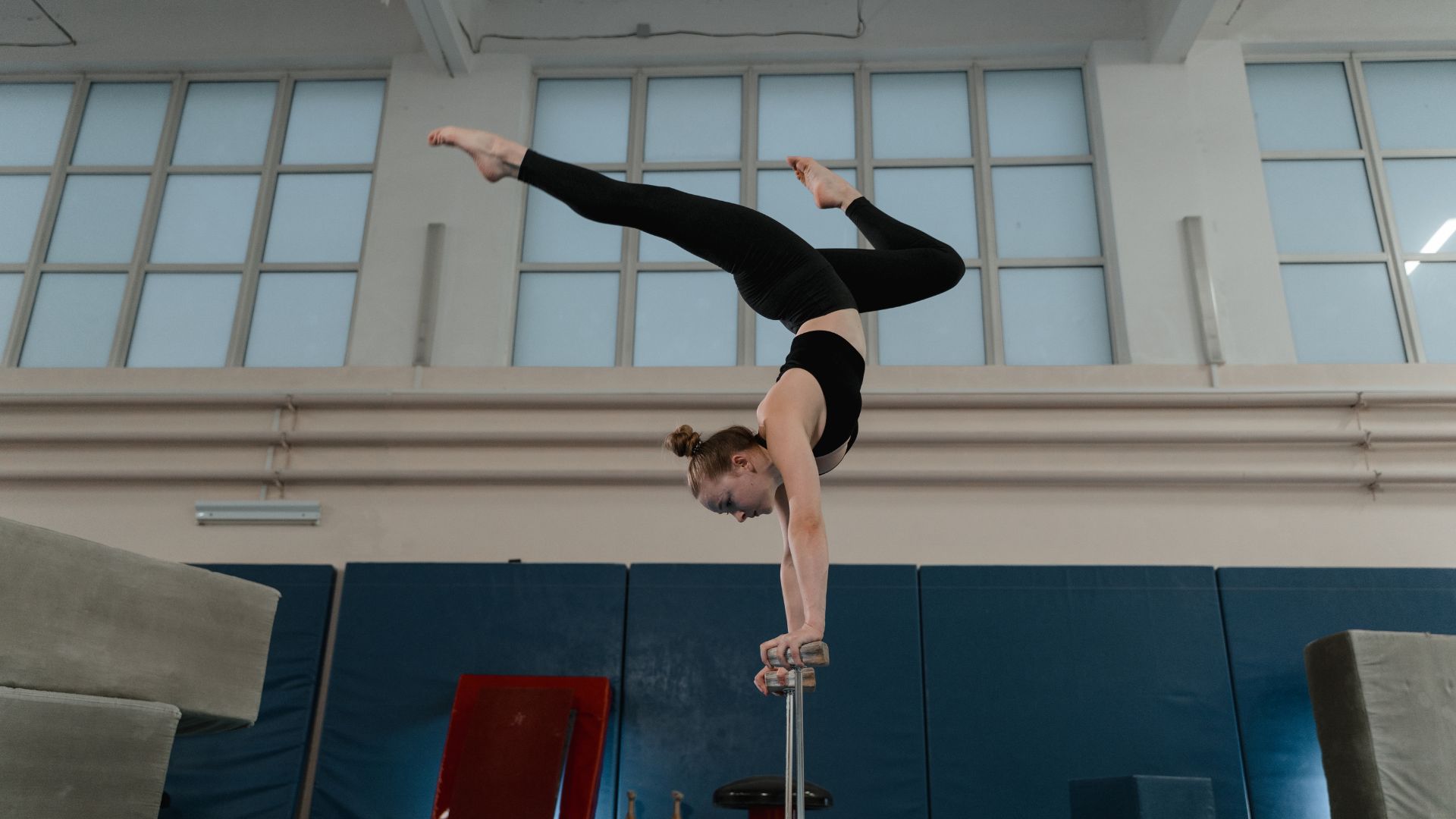
Gymnasts are particularly exposed to wrist stress because their upper extremity does something most athletes’ limbs don’t: it bears weight. During activities such as tumbling, handstands, and floor routines, the wrist absorbs forces that can reach several times the athlete’s body weight.
The wrist is a complex joint made up of multiple bones, cartilage, and soft tissue. When repetitive stress is applied to a skeletally immature body – one that is still growing – the risk of gymnastics-related injury (opens in a new tab) increases significantly. Unlike adult athletes, young gymnasts have open growth plates, which makes their bones more vulnerable to damage.
What Is a Gymnast Wrist?
“Gymnast wrist” is the informal term for distal radial epiphysitis – an overuse injury affecting the distal radial physis, which is the growth plate located at the end of the radius (one of the two forearm bones, the other being the ulna).
When gymnasts complain of wrist pain on the thumb side of their wrist during or after training, this specific injury is often the culprit. It develops due to overuse rather than a single traumatic event. Repetitive compressive and hyperextension forces during high-impact activities gradually irritate the distal radial physis.
Because the growth plate is made of cartilage and is structurally weaker than mature bone, it’s at a higher risk of injury than the surrounding tissue. If left untreated, this condition can lead to premature closure of the growth plate, which may affect how the radius and ulna develop together.
Recognizing the Symptoms
The signs are usually gradual and easy to dismiss at first. A gymnast’s wrist might feel stiff after training, or there may be mild swelling and tenderness at the back of the wrist near the distal radius.
Common symptoms include:
- Pain during weight-bearing activities like push-ups or handstands
- Stiffness after rest or first thing in the morning
- Bony tenderness over the distal radial physis
- Reduced range of motion in the wrist
- Discomfort that worsens with a high volume of training
How Is It Diagnosed?
Diagnosis typically starts with a physical examination (opens in a new tab) by a health care provider familiar with pediatric sports injuries. Because the distal radial physis appears as a gap on imaging, an X‑ray can confirm whether changes to the growth plate are present.
In some cases, advanced imaging like an MRI may be needed to get a clearer picture of the cartilage and soft tissue. Pediatric wrist injuries can be subtle on X‑ray alone, so providers who specialize in pediatric care often look at the full clinical picture, not just the imaging.
Treatment: Rest First, Then Rebuild
Treatment involves rest as the foundation. This means pulling back from gymnastics, particularly impact activities that load the wrist. The goal is to allow the body to recover and for the growth plate to settle before returning to training.
Immobilization with a wrist brace or splint may be recommended during the early phase. Once the athlete is cleared by the physician, a gradual return to sport begins – starting with non-impact activities and working up to full gymnastics training.
A physical therapist or sports rehab therapy (opens in a new tab) provider will typically focus on strengthening exercises for the forearm and wrist to reduce recurrence. Rebuilding a proper range of motion and muscle tone around the wrist joint is essential before the gymnast can safely return to their sport.
Prevent Wrist Injuries Before They Happen
Prevention is key, especially in a sport with such a high volume of repetitive stress. Here are the most effective prevention strategies:
- Proper warm-up matters. A structured warm-up that includes wrist circles, stretching and mobility work (opens in a new tab) primes the joint for load-bearing. Skipping this step increases the risk of microtrauma building up over time.
- Use appropriate wrist supports. Wrist braces and wrist supports like tiger paws can reduce compression forces during training. They don’t replace good injury-prevention practices, but they do provide meaningful joint support during high-impact activities.
- Monitor training volume (opens in a new tab). One of the biggest contributors to overuse injuries is simply doing too much too soon. Coaches and parents should track hours per week spent on impact activities and build in recovery days.
- Nutrition supports bone health. Adequate calcium and vitamin D intake play a role in how well the growing skeleton handles stress. A healthy diet rich in these nutrients gives the athlete’s bones a better foundation.
- Strengthen the right muscles. Strengthening exercises targeting the forearm, shoulder, and elbow help distribute the load more evenly. When the muscles around a joint are strong, the joint itself absorbs less force.
For young athletes involved with local gymnastics programs like Encore, Liberty, East Bay Gymnastics, and Ultimate Sports Connection, prevention starts with managing training volume, building in recovery, and paying attention to early signs of wrist discomfort.
When to Seek Professional Help
If wrist pain persists beyond a few days, or if a gymnast is consistently avoiding certain skills because of discomfort, it’s time to get a professional evaluation. Young athletes who push through pain without guidance risk turning a manageable overuse condition into something that requires surgical intervention or causes long-term complications.
At Elite Chiropractic Rehab and Wellness (opens in a new tab) in Walnut Creek, California, our team offers sports rehab therapy tailored to the demands of competitive athletics. We understand how much this sport means to your child, and our goal is to reduce the risk of injury while helping them perform at their best.
Conclusion
Wrist pain in young gymnasts is common, but it doesn’t have to sideline your athlete for good.
Understanding the gymnast wrist, recognizing early symptoms, and taking a smart approach to training and recovery make all the difference. Whether your child is dealing with discomfort now or you want to prevent it from starting, Elite Chiropractic Rehab and Wellness is ready to help. Reach out (opens in a new tab) at 925-476-5070 or visit elitecrw.com to schedule an evaluation today.