
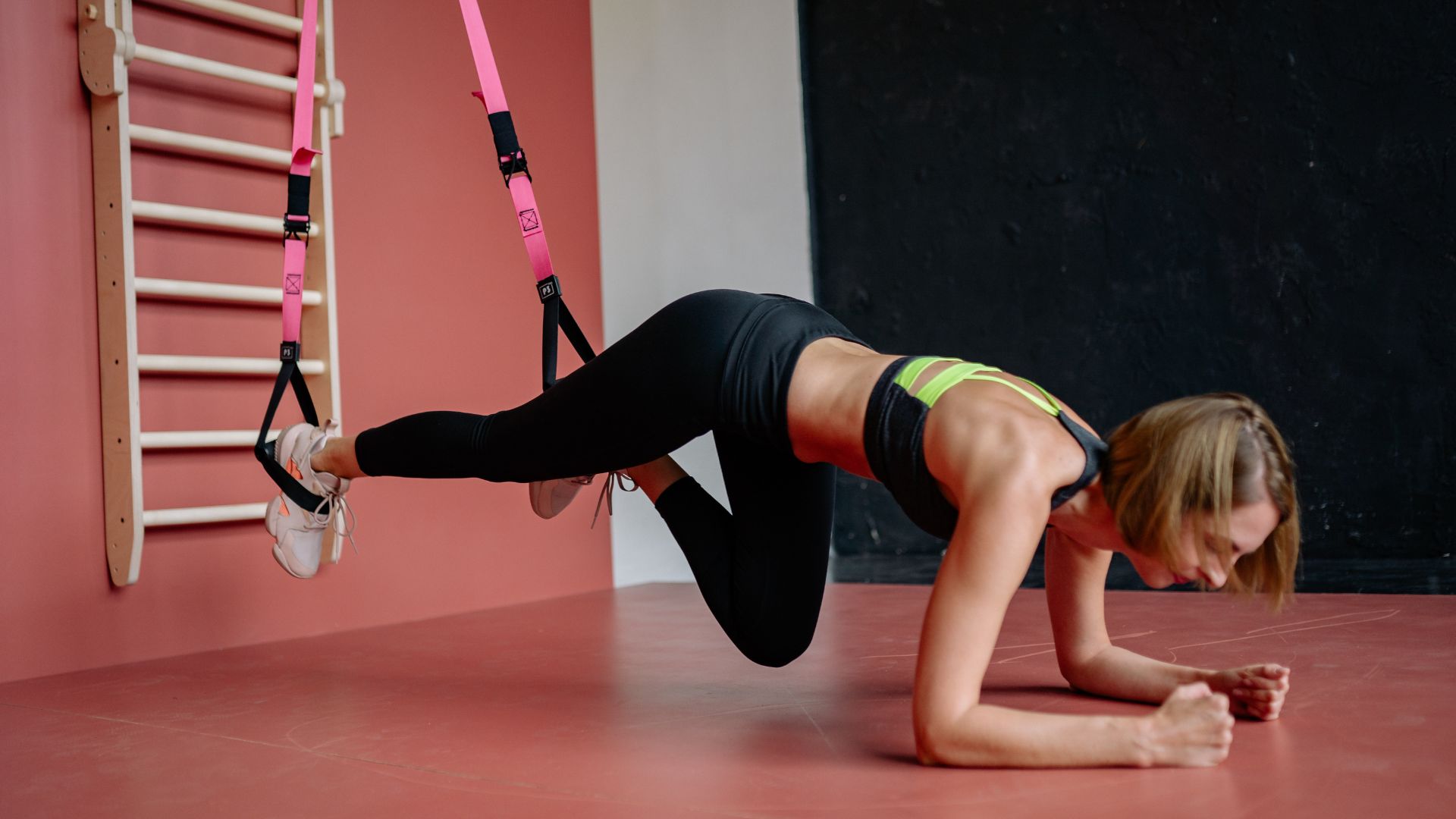
The off-season is supposed to be a time for recovery, rebuilding, and getting stronger. But for many youth swimmers, it becomes the season where nagging aches turn into real injuries (opens in a new tab). The culprit? A poorly designed dryland training program that pushes young bodies harder than they are ready to handle.
If your swimmer is coming off a long competitive season or ramping up for the next one, understanding how to train smart on land is just as important as what they do in the pool.
Why Dryland Training Matters for Young Swimmers
Dryland training for swimmers is not just about building muscle. It supports swimming mechanics, improves core stability, and develops the muscular strength needed for powerful starts and turns. Research backed by the American College of Sports Medicine confirms that a well-structured dryland training program enhances sport performance and reduces the risk of injury when done correctly.
The problem is that many youth athletes follow training regimens designed for elite adult competitive swimmers, not growing adolescent swimmers whose bones, joints, and connective tissue are still developing.
The Most Common Off-Season Dryland Injuries in Youth Swimmers
Young athletes who jump into intense land training without proper progression often develop overuse injuries. These are repetitive strain injuries caused not by one single event, but by doing too much, too fast, too often.
The most common issues include:
- Shoulder impingement from excessive pulling exercises and poor range of motion
- Lower back strain from weak core strength (opens in a new tab) and improper squat mechanics
- Knee pain from jumping and plyometric work without enough bodyweight control
- Hip tightness from imbalanced mobility between the shoulders and hips
Female swimmers and younger swimmers in general tend to be at higher risk due to differences in body composition, joint laxity, and motor control development.
How to Build a Safer Dryland Training Program
Start With Movement Quality, Not Maximum Strength
Before any swimmer touches a resistance training setup or weightlifting equipment, they need to demonstrate solid movement patterns. A well-designed strength training program for youth swimmers always starts with bodyweight exercises like push-ups, planks, and bodyweight squats.
These build the foundation for efficient swimming mechanics on land before progressing to resistance or weight training. Trying to chase maximum strength before these patterns are locked in is one of the fastest ways to lead to overuse injuries.
Use a Smart Progression of Exercises
A safe dryland training approach follows a clear progression of exercises. Think of it as layers.
The first layer is mobility exercises and flexibility work to improve the range of motion. The second layer is core strength and core stability through targeted training like dead bugs, plank variations, and abdominal exercises. The third layer introduces strength and conditioning work using resistance training tools like bands, kettlebells, or a medicine ball.
Only after those layers are solid should a training group move into speed training, plyometrics, anaerobic exercise, or more advanced weight training focused on strength and power.
Protect the Shoulder at All Costs
Swimming strokes, especially backstroke and freestyle swimming, demand a huge amount from the shoulder joint. Dry-land resistance training that overloads the shoulder without balancing pulling exercises with pushing and rotator cuff work is a recipe for injury.
Swim coaches and strength coaches working with competitive swimmers should treat shoulder health as non-negotiable. Build pulling exercises into every consistent dryland workout, but pair them with scapular stability and proprioception drills.
Do Not Skip Endurance Training and Aerobic Work
It is tempting to focus only on strength development during the off-season and skip energy system work. But youth swimmers need a balanced training approach that includes aerobic exercise and endurance training alongside resistance work.
A training program that combines both systems supports long-term athletic development, improves physical fitness, and enhances swimming performance when the swimmer returns to pool training.
Listen to the Body – Recovery Is Part of Training
Young athletes often do not recognize early warning signs. Teaching swimmers to communicate pain or discomfort before it becomes a full injury is a vital part of training for young swimmers.
Balanced training includes scheduled rest, mobility work (opens in a new tab), and sport psychology support to build psychological resilience alongside physical strength.
When a swimmer does report pain, especially in the shoulder, back, or knee, get it evaluated early. Sports medicine and chiropractic care for athletes (opens in a new tab) can identify what is happening before a minor issue becomes a season-ending problem.
For young swimmers training with Larkey Sharks, Pleasant Hill Aquatics (Penguins), Rancho San Miguel Swim Club, Indian Valley Swim Club, Scottsdale Swim Club, Rudgear Estates Swim Club, or Buena Vista Swim Club, small aches during dryland workouts should be taken seriously before they turn into shoulder, back, knee, or hip injuries.
When to Seek Professional Help
If a young swimmer is dealing with persistent pain during or after dryland workouts, that is not something to push through. At Elite Chiropractic Rehab & Wellness in Walnut Creek, California, Dr. Ben Rosenstein and Dr. Tony Cresci specialize in sports rehab therapy (opens in a new tab) and performance and injury prevention for youth athletes.
From myofascial release and cupping therapy to targeted training assessments, the team at ECRW helps swimmers stay healthy through every phase of their training season.
Conclusion
Dryland training is a powerful tool for improving swimming performance for youth swimmers from Larkey Sharks, Pleasant Hill Aquatics (Penguins), Rancho San Miguel Swim Club, Indian Valley Swim Club, Scottsdale Swim Club, Rudgear Estates Swim Club, Buena Vista Swim Club, and other nearby teams, but only when it is designed with the swimmer’s age, development, and current fitness level in mind.
Prevent injuries by building movement quality first, progressing intelligently, and addressing pain early. If your swimmer is struggling with off-season aches or needs a structured plan to train safely, contact Elite Chiropractic Rehab & Wellness (opens in a new tab) at 925-476-5070 or visit us to schedule an evaluation today.