
Walnut Creek Advanced Sports Therapy
Swim Injury Care for Young Athletes in Walnut Creek & Pleasant Hill
Young swimmers train hard. Between daily practices, weekend meets, dryland workouts, starts, turns, and repeated overhead motion, the body can take on more stress than parents realize.
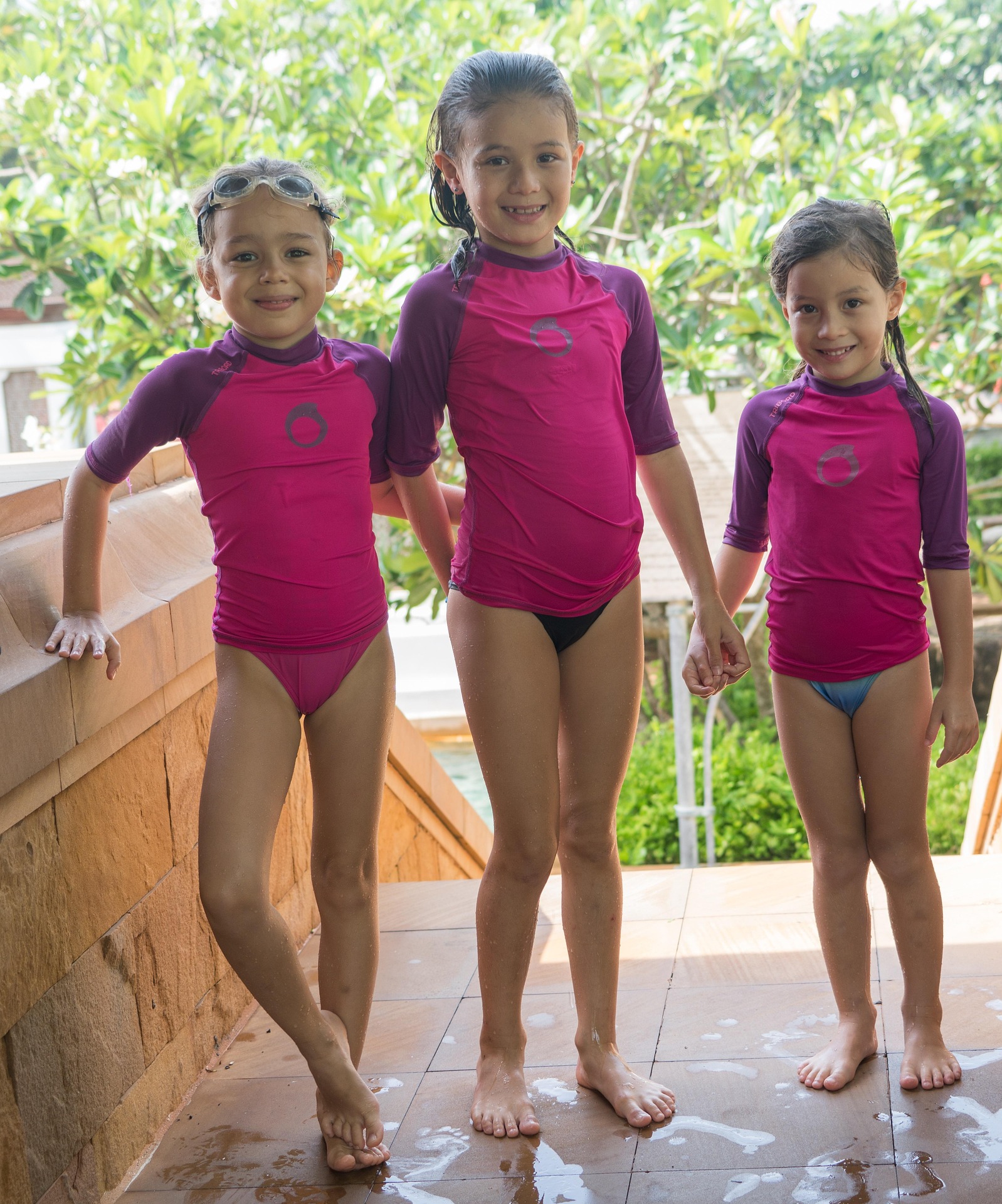

Helping Young Swimmers Recover, Move Better, and Stay Active
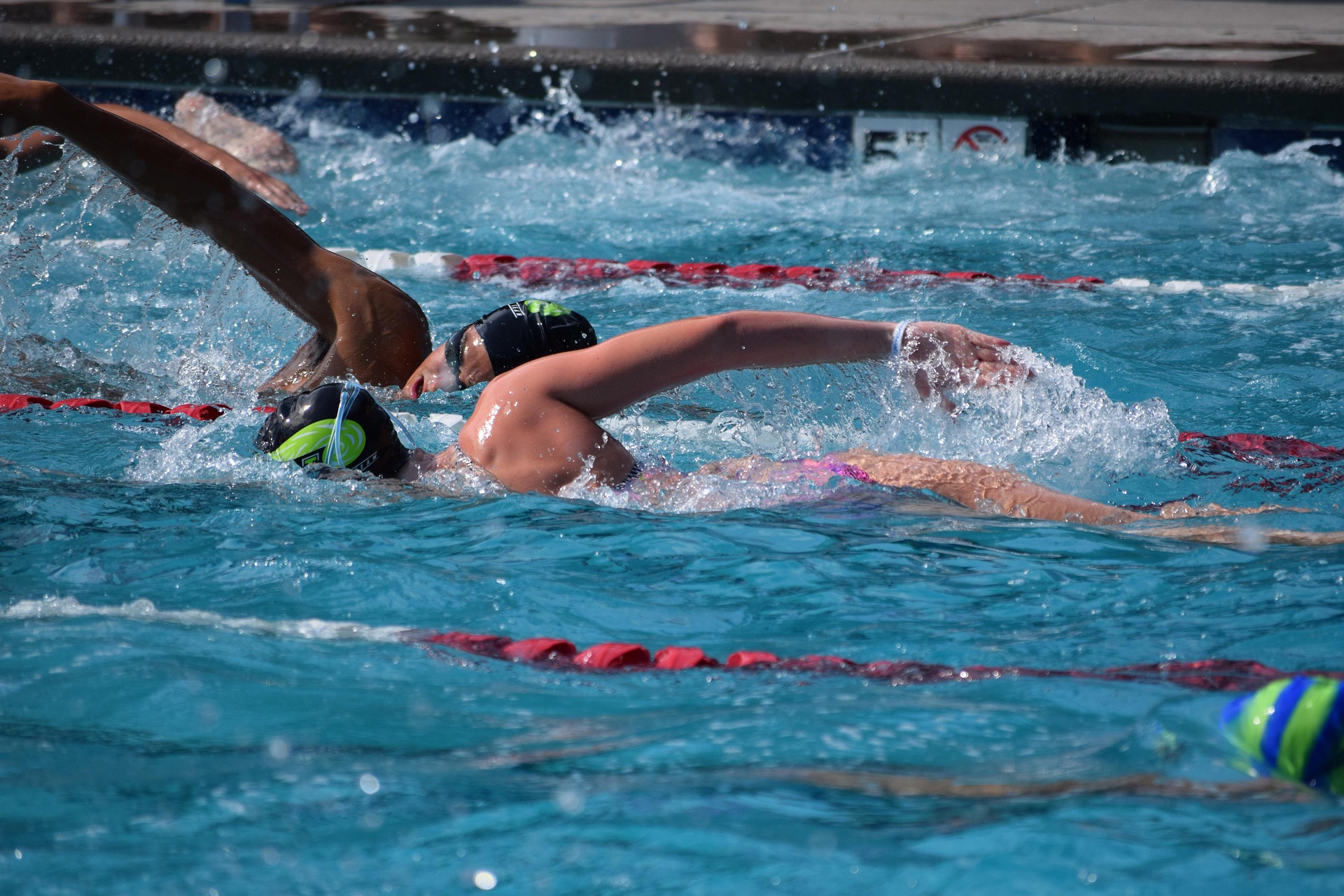
Swimming is often seen as a low-impact sport, but competitive and recreational swim training can still place high demand on growing bodies. Young athletes repeat the same motions thousands of times throughout a season, especially through the shoulders, spine, hips, and knees.
For many swimmers, pain starts small. A shoulder feels sore after freestyle. The lower back tightens after starting and turns. The neck feels stiff after breathing to one side. The knee starts aching during breaststroke. At first, the athlete may push through it, hoping it will go away.
The problem is that early discomfort can change how a swimmer moves. When the body begins to compensate, one small issue can affect stroke mechanics, recovery, and confidence in the pool.
That is where early swim injury care can make a difference.
Supporting Swim Families Across Walnut Creek, Pleasant Hill, and Nearby Communities
Elite Chiropractic Rehab & Wellness is proud to support local families with young swimmers throughout Walnut Creek, Pleasant Hill, and the surrounding area. Our care is a natural fit for athletes and parents connected with nearby swim programs, including:
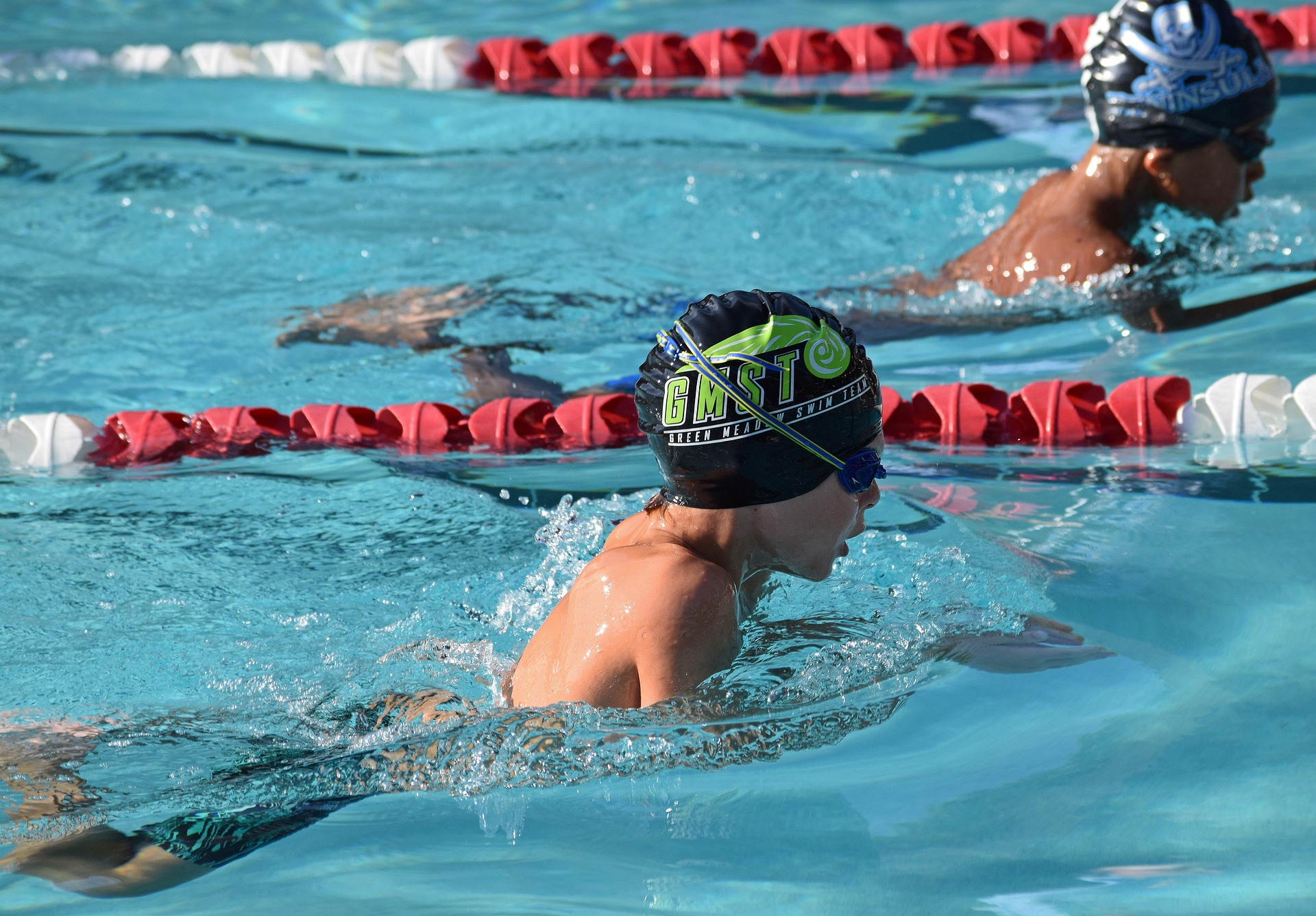
Common causes of Swim injuries in young athletes include:
- Larkey Sharks
- Pleasant Hill Aquatics Penguins
- Ygnacio Wood Swim Club
- Rancho San Miguel Swim Club
- Indian Valley Swim Club
- Scottsdale Swim Club
- Rudgear Estates Swim Club
- Buena Vista Swim Club
Whether your child is new to the swim team or training through a more competitive schedule, pain should not be ignored. Young athletes need care that looks beyond temporary relief and helps identify why discomfort is happening in the first place.
Is Your Young Swimmer Dealing With Pain After Practice or Meets?
It is common for swimmers to feel tired after practice, but pain that keeps coming back is different from normal training fatigue.
Parents often notice signs before athletes say much about them. Your swimmer may avoid certain strokes, complain after practice, rub one shoulder, struggle to sleep comfortably, or seem frustrated because they cannot swim the way they normally do.
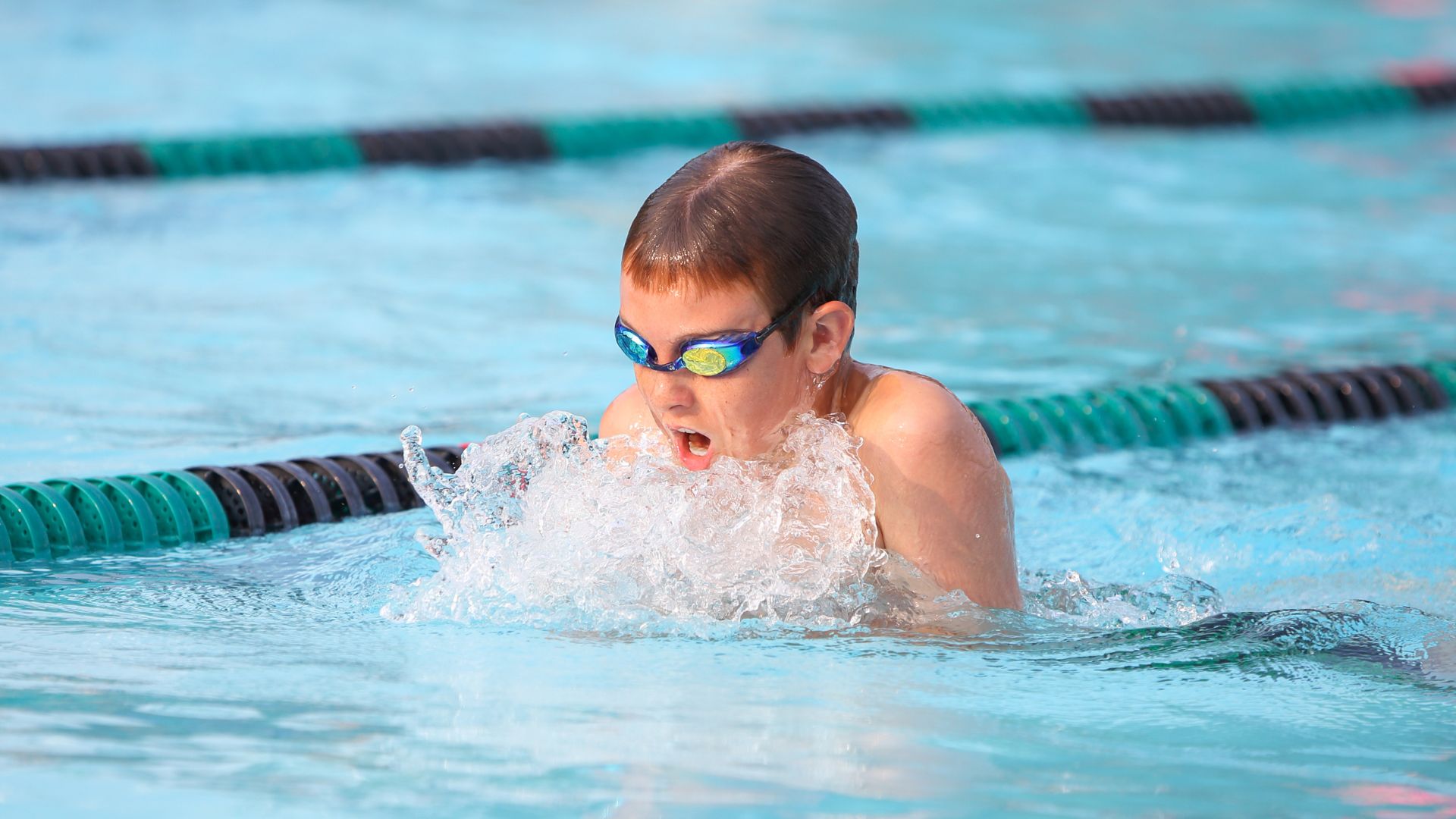
A young swimmer may benefit from an evaluation if they are experiencing:
- Shoulder pain during or after practice
- Neck stiffness or upper back tightness
- Low back pain during starts, turns, or kicking
- Knee pain during breaststroke
- Hip tightness or discomfort after dryland work
- Pain that improves with rest but returns during training
- Reduced range of motion or noticeable weakness
- Changes in stroke mechanics due to discomfort
- Soreness that lasts longer than expected
Pain does not always mean something serious is happening, but it does mean the body is asking for attention.
Common Swim Injuries in Young Athletes
Swim injuries are often related to repetition, mobility limitations, muscle imbalance, training volume, and recovery habits. Because young athletes are still growing, their bodies may also go through periods where coordination, strength, and flexibility change quickly.
Below are some of the most common issues swimmers may experience.
Shoulder Pain and Swimmer’s Shoulder
Shoulder pain is one of the most common complaints among swimmers. Freestyle, butterfly, backstroke, and repeated pulling motions all place demand on the shoulder joint and surrounding muscles.
When the shoulder blade, rotator cuff, upper back, and core are not working well together, the shoulder can take on extra stress. This may lead to irritation, soreness, weakness, or pain during overhead movement.
A swimmer’s shoulder is often connected to more than one factor. Technique, posture, mobility, training load, and strength all matter.
Rotator Cuff Irritation
The rotator cuff helps stabilize the shoulder during pulling, reaching, and rotation. In swimmers, these muscles work repeatedly during every practice.
If the rotator cuff is overworked or not supported by good shoulder blade control, irritation can develop. A swimmer may notice pain when reaching overhead, pulling through the water, lifting the arm, or sleeping on one side.
Care for rotator cuff irritation should focus on more than resting the shoulder. It should also look at movement quality, strength, mobility, and the surrounding areas that influence shoulder mechanics.
Neck and Upper Back Tightness
Swimmers rely on repeated rotation, breathing patterns, and posture in the water. Over time, this can contribute to tightness in the neck, upper back, and shoulders.</p.
A young swimmer may feel tension after long practices, during certain breathing patterns, or after dryland training. If one side feels more restricted than the other, the body may compensate during strokes, which can increase stress elsewhere.
Improving spinal mobility, shoulder movement, and muscle control may help reduce unnecessary strain.
Low Back Pain in Swimmers
Low back pain can happen in swimmers for several reasons. Starts, turns, dolphin kick, butterfly, backstroke, and dryland exercises can all load the lower back.
Some swimmers rely too much on low back extension instead of using the hips, core, and upper back efficiently. Others may feel tightness because of growth changes, repetitive kicking, or strength imbalances.
Low back pain should not be dismissed, especially if it affects practice, school, sleep, or daily movement.
Knee Pain From Breaststroke or Kicking
Breaststroke swimmers may experience knee pain because of the repeated outward kicking motion. The hips, knees, ankles, and feet all need to coordinate well during the kick.
If the hips are tight or the knees are taking too much strain, discomfort can develop around the inside of the knee or the front of the knee. Young athletes may also feel symptoms during stairs, squats, running, or dryland workouts.
A proper evaluation can help determine whether the issue is coming from the knee itself or from movement problems above or below the knee.
Hip and Ankle Strains
The hips and ankles play a major role in kicking, starting, turning, and body position in the water. Limited mobility or weakness in these areas may affect stroke efficiency and increase stress on other joints.
Swimmers may feel hip tightness, ankle discomfort, calf tension, or general lower-body fatigue during heavy training blocks. Addressing these areas can help support better overall movement.
Why Swim Injuries Happen in Growing Athletes
Young athletes are not just smaller versions of adults. Their bodies are still developing, and growth spurts can temporarily affect coordination, mobility, and strength.
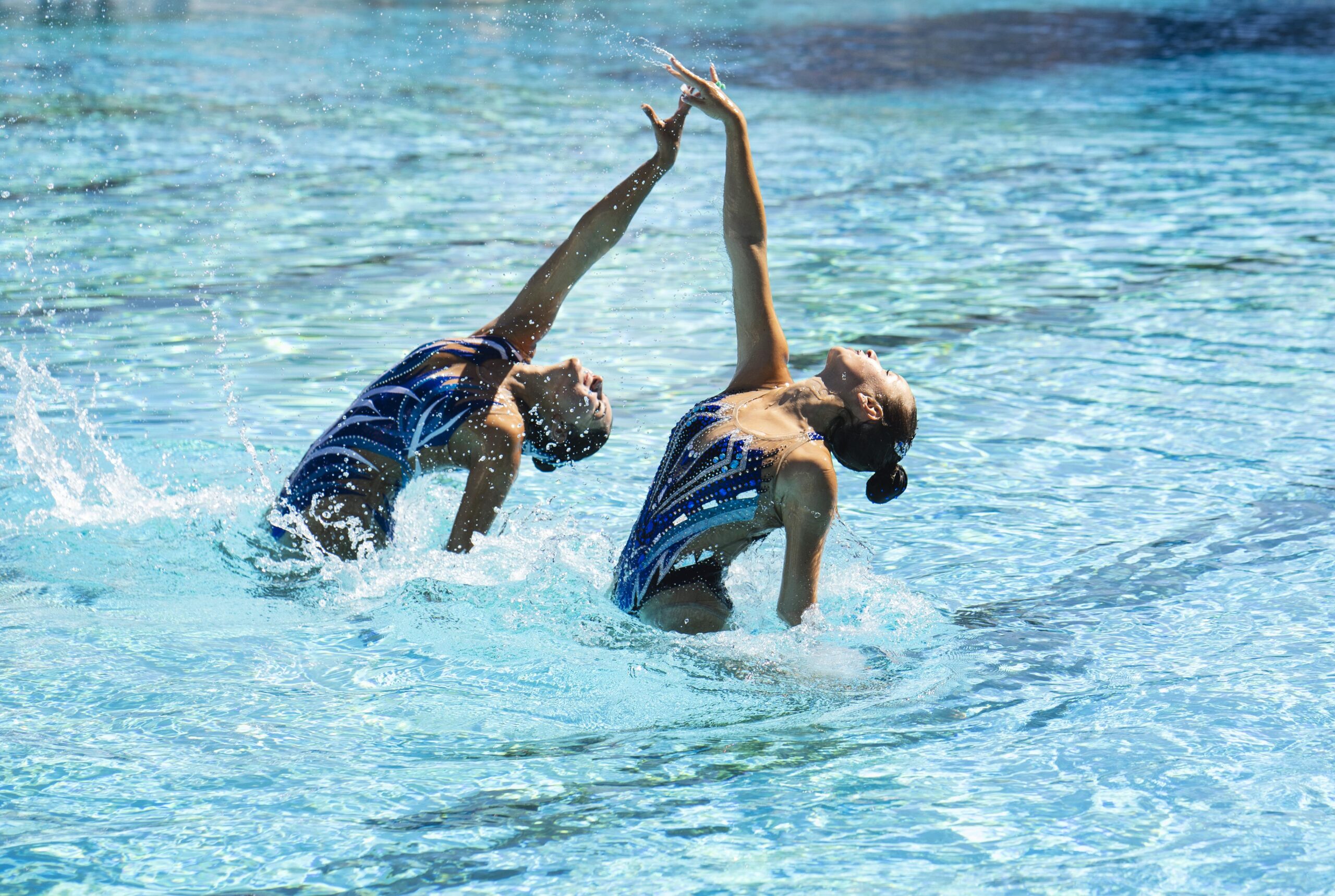
Swim injuries may happen because of:
- Repetitive overhead motion
- Sudden increases in practice volume
- Limited shoulder, spine, hip, or ankle mobility
- Weakness in stabilizing muscles
- Poor recovery between practices and meets
- Muscle imbalance from repetitive stroke patterns
- Dryland exercises performed with poor form
- Growth spurts that change how the body moves
- Ignoring early pain until it becomes harder to manage
Most swimmers want to keep practicing, and most parents do not want to overreact to normal soreness. The key is knowing when discomfort has moved beyond routine training fatigue.
When Should a Young Swimmer Be Evaluated?
A young swimmer should be evaluated when pain does not improve as expected, keeps returning, or changes how they move.
Consider scheduling an appointment if your swimmer has:
- Pain lasting more than a few days
- Pain that returns every time they swim
- Shoulder pain with overhead movement
- Back pain during starts, turns, or kicking
- Knee pain during breaststroke
- Noticeable weakness or loss of mobility
- Pain that causes them to change strokes
- Tingling, numbness, or radiating symptoms
- Pain that affects sleep, school, or daily activity
If symptoms are severe, sudden, or connected to a traumatic injury, parents should seek appropriate medical care right away. For training-related pain, stiffness, and movement limitations, sports rehab care can help identify contributing factors and guide the next steps.
Our Sports Rehab Approach for Young Swimmers
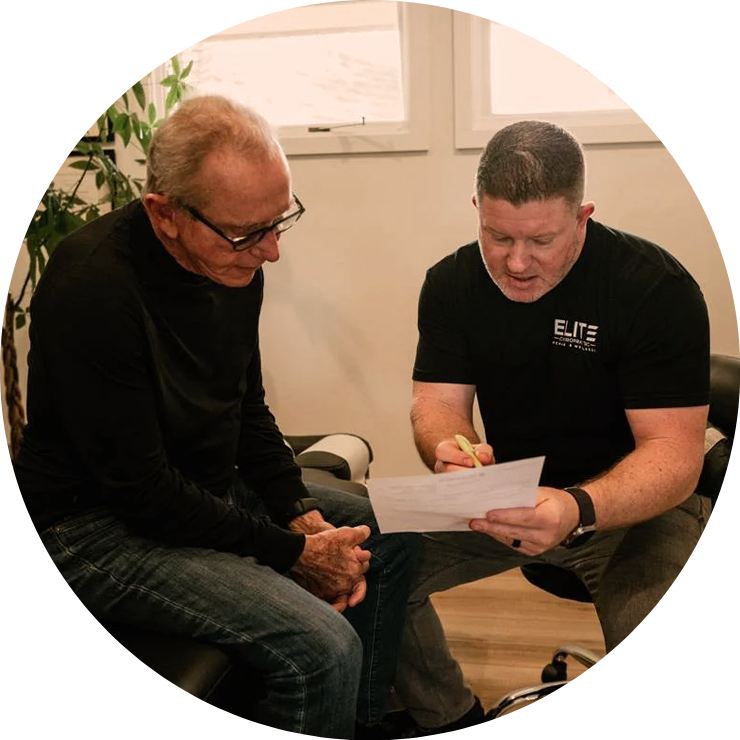
At Elite Chiropractic Rehab & Wellness, we take a movement-focused approach to swim injury care. Instead of only asking where it hurts, we look at how the body is working as a whole.
Swimming requires coordination between the shoulders, spine, hips, core, and lower body. If one area is not moving well, another area may compensate. Our goal is to help young athletes improve function, reduce unnecessary stress, and return to activity with a better foundation.
Movement and Mobility Assessment
We start by looking at how your swimmer moves. This may include shoulder mobility, spinal motion, hip movement, posture, strength, control, and how different areas work together.
For swimmers, the source of pain is not always the same as the source of the problem. Shoulder pain may be influenced by upper back stiffness. Low back pain may be affected by hip mobility or core control. Knee pain may be connected to hip and ankle mechanics.
A careful assessment helps us create a more personalized plan.
Soft Tissue and Muscle Recovery Support
Swimmers often develop tightness and irritation in muscles that are heavily used during training. Soft tissue work may be used to help address muscle tension, improve comfort, and support better movement.
Depending on the athlete’s needs, care may include targeted work for the shoulders, neck, upper back, low back, hips, or legs.
Chiropractic Care When Appropriate
Chiropractic care may be part of a young swimmer’s plan when joint mobility, spinal movement, or alignment-related restrictions are contributing to symptoms.
At Elite Chiropractic Rehab & Wellness, care is personalized to the athlete. We focus on what is appropriate for the individual, with the goal of improving movement and supporting the body’s ability to function better.
Strength, Stability, and Return-to-Swim Support
Recovery is not only about feeling better. Young athletes also need to build confidence in the movements required for swimming.
We may include exercises that support shoulder stability, core control, hip strength, mobility, and better movement habits. The goal is to help swimmers return to training in a way that is safer, more controlled, and more sustainable.
For some athletes, this may also include activity modification while symptoms improve. That does not always mean stopping completely. It may mean adjusting stroke volume, dryland exercises, intensity, or certain movements while the body recovers.
Care That Helps Swimmers Return With Confidence
Young swimmers want to be in the water. They want to practice, compete, and stay connected with their team.
Our role is to help them do that with a smarter recovery plan. We focus on movement, strength, function, and education so young athletes can better understand their bodies and avoid pushing through warning signs.
A confident return to swimming may include:
- Improved shoulder and spinal mobility
- Better body awareness during movement
- Stronger shoulder and core support
- Reduced compensation patterns
- Better tolerance for practice demands
- Clearer guidance on activity modification
- A plan for continued recovery and prevention
Every athlete is different, so every plan should be different too.
Helping Parents Make the Right Call Early
Parents often face a difficult question: should my child rest, keep practicing, or get checked?
The answer depends on the situation, but recurring pain should not be ignored. Rest may calm symptoms temporarily, but if the same pain returns once swimming resumes, there may be an underlying movement or load issue that needs attention.
Early care can help parents understand what may be contributing to the problem and what steps may help their swimmer move forward. It can also give athletes reassurance, especially when pain has started to affect their confidence.
Why Choose Elite Chiropractic Rehab & Wellness for Swim Injury Care?
Elite Chiropractic Rehab & Wellness provides modern chiropractic care and sports rehab therapy for active individuals in Walnut Creek and the surrounding East Bay area. Our team understands how important movement is for athletes, especially young swimmers who want to stay active and keep improving.
Families choose Elite Chiropractic Rehab & Wellness because we offer:
- Sports rehab care in Walnut Creek, CA
- A movement-based approach to injury recovery
- Experience supporting athletes with shoulder, back, neck, and soft tissue concerns
- Personalized care plans based on each athlete’s needs
- Support for mobility, stability, strength, and function
- A parent-friendly approach focused on clear communication
- Local care for families in Walnut Creek, Pleasant Hill, and nearby communities
We do not believe young athletes should have to guess their way through pain. With the right evaluation and care plan, swimmers can better understand what is happening and how to move forward.
Local Swim Clubs We’re Proud to Support
Elite Chiropractic Rehab & Wellness is proud to be a resource for swim families throughout Walnut Creek, Pleasant Hill, and nearby communities. If your young athlete is part of a local swim program, we are here to help with sports rehab support, injury care, and movement-focused guidance.
Larkey Sharks
Families connected with the Larkey Sharks have access to local swim injury care close to Walnut Creek. If your swimmer is dealing with shoulder pain, back tightness, or practice-related discomfort, our team can help assess the issue and recommend a plan.
Pleasant Hill Aquatics Penguins
For Pleasant Hill Aquatics Penguins swimmers, training demands can build quickly during the season. We support Pleasant Hill families looking for care that helps young athletes recover, move better, and stay active.
Ygnacio Wood Swim Clubt
Ygnacio Wood Swim Club swimmers may experience pain from repetitive strokes, dryland training, or heavy practice schedules. Our Walnut Creek sports rehab approach helps address movement limitations that may contribute to recurring discomfort.
Rancho San Miguel Swim Club
Swimmers from Rancho San Miguel Swim Club work hard through practices and meets. If pain is affecting performance or confidence, early evaluation can help identify the source of the problem and guide recovery.
Indian Valley Swim Club
Indian Valley Swim Club families can turn to Elite Chiropractic Rehab & Wellness for swim injury care that looks at the whole athlete, not just the painful area. We help young swimmers address the movement patterns behind common overuse symptoms.
Scottsdale Swim Club
Scottsdale Swim Club swimmers may benefit from local care when shoulder, neck, back, hip, or knee pain starts interfering with training. Our goal is to support recovery and help athletes return with better movement.
Rudgear Estates Swim Club
For Rudgear Estates Swim Club athletes, swim season can be demanding on the shoulders, spine, and lower body. We provide sports rehab support designed to help young swimmers manage pain and build a stronger foundation.
Buena Vista Swim Club
Buena Vista Swim Club families looking for swim injury care near Walnut Creek can schedule an evaluation at Elite Chiropractic Rehab & Wellness. We help swimmers address discomfort early so they can keep progressing with confidence.
Schedule Swim Injury Care in Walnut Creek, CA
If your young swimmer is dealing with shoulder pain, back tightness, neck stiffness, knee pain, or recurring discomfort after practice, Elite Chiropractic Rehab & Wellness is here to help.
We proudly support swim families from Walnut Creek, Pleasant Hill, and nearby East Bay communities. Whether your child swims with Larkey Sharks, Pleasant Hill Aquatics Penguins, Ygnacio Wood Swim Club, Rancho San Miguel Swim Club, Indian Valley Swim Club, Scottsdale Swim Club, Rudgear Estates Swim Club, Buena Vista Swim Club, or another local team, we can help you take the next step.
Schedule an appointment today and help your young swimmer move better, recover stronger, and return to the water with confidence.
Tips to Help Reduce Swim Injury Risk
Not every swim injury can be prevented, but smart habits can reduce unnecessary stress on the body.
Parents and athletes can support healthier training by focusing on:
Warm Up Before Getting in the Pool
A proper warmup prepares the shoulders, spine, hips, and core for repetitive movement. Young swimmers should not rely on the first few laps of practice to warm up tight muscles.
Pay Attention to Early Pain
Pain that appears during a specific stroke or returns after every practice should be taken seriously. Addressing discomfort early is often easier than waiting until symptoms affect performance.
Build Strength Outside the Pool
Dryland work can support swimming, but it needs to be done well. Exercises should help improve shoulder stability, core control, hip strength, and overall coordination without adding unnecessary strain.
Prioritize Mobility
Shoulder, upper back, hip, and ankle mobility all matter for swimmers. Limited mobility in one area can increase demand in another area.
Communicate With Coaches
Swimmers should feel comfortable telling coaches when something hurts. Coaches can often adjust training volume, stroke focus, or drills while the athlete gets evaluated.
Respect Recovery Days
More training is not always better. Growing athletes need time to recover, especially during heavy practice blocks and meet weekends.
Avoid Pushing Through Sharp or Repeating Pain
Soreness and fatigue are normal parts of training, but sharp pain or recurring pain is different. These symptoms should be checked instead of ignored.
Frequently Asked Questions
What are the most common injuries in young swimmers?
Common swim-related injuries include shoulder pain, swimmer’s shoulder, rotator cuff irritation, neck and upper back tightness, low back pain, knee pain from breaststroke, hip tightness, and ankle or lower-leg strain. Many of these issues are related to repetition, mobility limitations, strength imbalance, or training load.
When should my child see a sports rehab provider for swim pain?
Your child should be evaluated if pain lasts more than a few days, returns after every practice, affects stroke mechanics, limits activity, or causes weakness, stiffness, numbness, or changes in movement. Early evaluation can help identify contributing factors before the issue becomes more difficult to manage.
Can chiropractic care help young swimmers?
Chiropractic care may help support joint mobility, spinal function, and movement quality when it is appropriate for the athlete’s condition. At Elite Chiropractic Rehab & Wellness, chiropractic care may be combined with sports rehab, soft tissue work, mobility training, and strengthening exercises based on the swimmer’s needs.
Do swimmers need to stop practicing during injury care?
Not always. Some swimmers may need temporary rest, while others may be able to continue with modified activity. The right approach depends on the type of pain, severity of symptoms, and how the athlete responds to movement. Our goal is to help families understand what is safe and what should be adjusted.
What causes swimmer’s shoulder in young athletes?
Swimmer’s shoulder is often caused by repeated overhead motion, shoulder muscle fatigue, poor shoulder blade control, limited upper back mobility, or sudden increases in training volume. Because swimming is highly repetitive, small movement problems can become more noticeable over time.
Is knee pain common in breaststroke swimmers?
Yes, knee pain can happen in breaststroke swimmers because the kick places repeated stress on the hips, knees, and ankles. If the hips are tight or the knees are absorbing too much strain, pain may develop. A movement assessment can help identify what may be contributing to the issue.
How can parents help prevent swim overuse injuries?
Parents can help by paying attention to early pain, encouraging warmups, supporting recovery days, making sure dryland exercises are performed with good form, and seeking care when pain keeps returning. Good communication between the swimmer, parent, coach, and care provider can also help.
Do you work with swimmers from Pleasant Hill and Walnut Creek swim clubs?
Yes. Elite Chiropractic Rehab & Wellness supports young athletes and families from Walnut Creek, Pleasant Hill, and surrounding communities. We welcome swimmers from local clubs and teams who need help with sports-related pain, mobility issues, or return-to-activity support.
Help Your Young Swimmer Move Better and Recover Stronger
Swim pain should not be something your child has to push through all season. If discomfort is affecting practice, performance, or confidence, getting evaluated can help your family understand what is happening and what to do next.
Elite Chiropractic Rehab & Wellness provides swim injury care and sports rehab support for young athletes in Walnut Creek, Pleasant Hill, and nearby East Bay communities.