
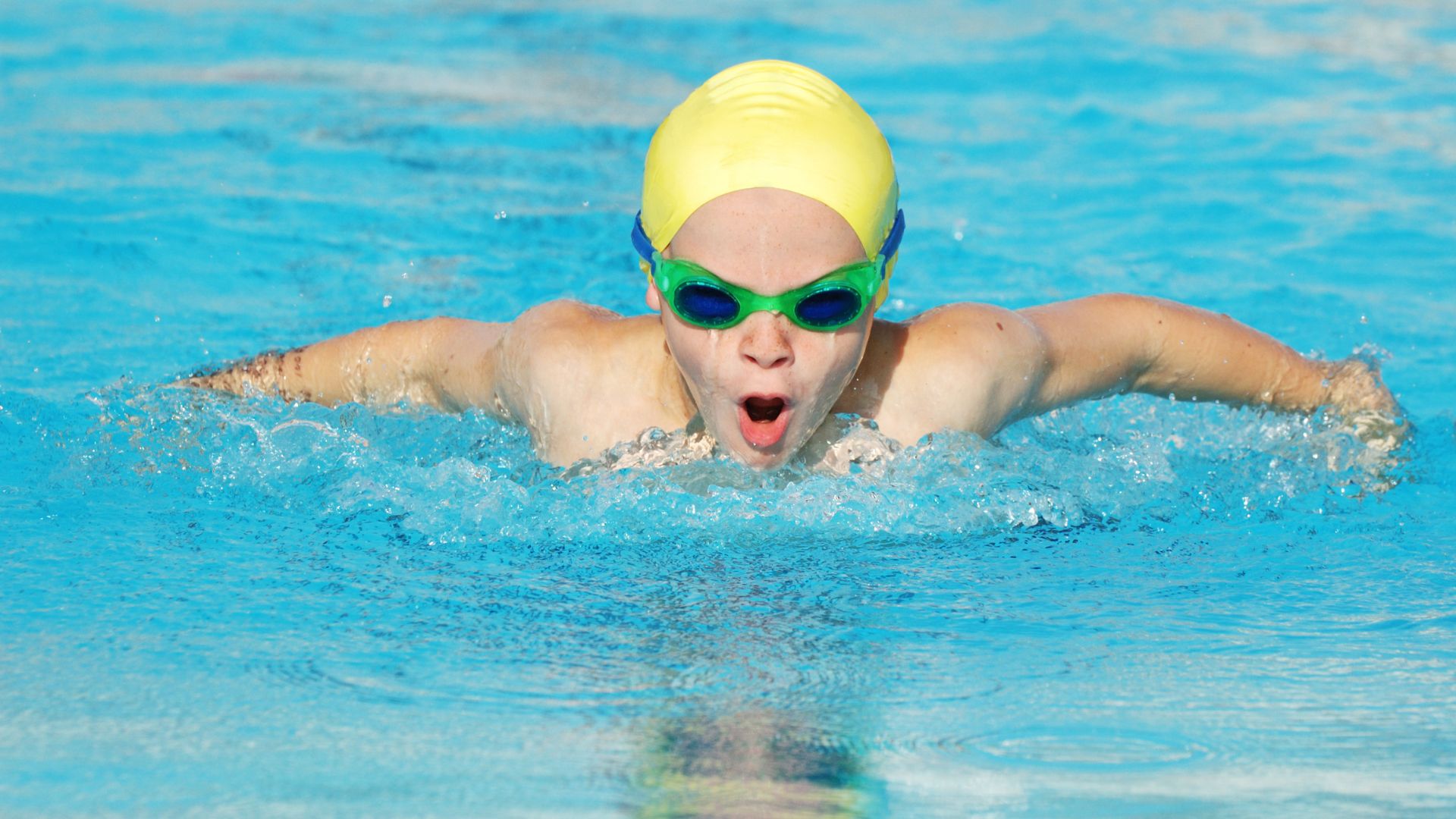
Swimming is a great full-body workout that is gentle on the joints, builds endurance, and keeps athletes of all ages in peak condition. But here is the thing most people do not tell you: Swimming is also a sport where overuse injuries (opens in a new tab) are extremely common, and they can sideline you for weeks or months if ignored.
Whether you are a competitive swimmer training twice a day, a recreational swimmer logging laps at your local pool, or a young athlete involved with nearby teams like Larkey Sharks, Pleasant Hill Aquatics (Penguins), Ygnacio Wood Swim Club, Rancho San Miguel Swim Club, Indian Valley Swim Club, Scottsdale Swim Club, Rudgear Estates Swim Club, or Buena Vista Swim Club, understanding the demands of swimming and how repetitive motion affects your body is the first step toward staying healthy.
Why Swimming Overuse Injuries Happen
Swimming is a unique sport: athletes perform the same movement patterns thousands of times per session, including repetitive shoulder rotation, coordinated hip and knee flexion, and continuous spinal engagement – all against water resistance.
That sheer volume of repetitive strain on muscles and tendons is exactly why swimming-related injuries develop gradually rather than from a single traumatic event. Unlike a sprained ankle from a fall, overuse injuries do occur quietly, building over time until the pain becomes impossible to ignore.
The injury rate in competitive swimming is notable. Research suggests injuries per 1000 training hours can be significant, particularly in elite swimming athletes who push through high-volume training without adequate recovery.
Common Swimming Injuries and Where They Show Up
Swimmer’s Shoulder: The Most Talked-About Problem
“Swimmer’s shoulder” is not just a catchy phrase – it refers to a cluster of shoulder injuries that develop from the repetitive overhead pulling motion in freestyle swimming and other swimming strokes. Shoulder pain (opens in a new tab) in competitive swimmers is one of the most reported complaints at sports medicine clinics.
The rotator cuff muscles, including the subscapularis muscle and teres minor muscle, absorb enormous stress during every stroke cycle. Over time, this can lead to rotator cuff tendinopathy, shoulder instability, shoulder impingement syndrome, or even a rotator cuff tear in more severe cases. The scapula and acromion are also commonly involved in upper extremity overuse injuries in swimming.
Shoulder muscle imbalances are a major risk factor. When the pectoralis major becomes overdeveloped relative to the posterior shoulder muscles, the shoulder joint gets pulled out of its ideal position, increasing irritation to the glenoid labrum and surrounding soft tissue.
Knee Injuries in Breaststroke Swimmers
Many swimmers assume knee pain is a runner’s problem. But breaststroke event athletes dominate among knee overuse injuries in elite and competitive swimming populations. The breaststroke kick places a unique valgus stress on the knee, which can lead to medial knee injuries and patellofemoral pain syndrome over time.
Knee overuse injuries in elite swimmers who specialize in the breaststroke event are well-documented in sports medicine literature, including research referenced by institutions like the Hospital for Special Surgery. If you feel persistent knee pain during or after breaststroke swimming, that is an early warning sign worth taking seriously.
Lower Back and Spinal Issues
Low back pain is another concern, particularly for swimmers who rely heavily on undulating body movements like the butterfly stroke. The back muscles and spinal column are under continuous stress during training, and overextension of the lumbar vertebrae can create back injuries that limit range of motion and affect your swimming routine.
Back pain that persists beyond a day or two should not be brushed off. Bone stress injuries, while less common in swimming than in impact sports, can also occur in swimmers with poor biomechanics or high training loads.
Key Risk Factors That Make Swimmers Prone to Injuries
Understanding swimming biomechanics and common injuries helps coaches and clinicians design smarter training programs. The most common risk factors include:
- Poor swimming form or technique, especially in overhead strokes
- Rapid increases in training volume without adequate rest
- Weakness in stabilizing muscles around the shoulder, hip, and knee
- Limited range of motion in the thorax, neck, or pelvis
- Fatigue-driven compensation patterns that place stress on vulnerable joints
- Inadequate warm-up before entering the water
Injuries are a common result when any combination of these factors goes unaddressed across a full swim season.
Prevention Strategies That Actually Work
Fix Your Technique Before It Fixes You
Different swimming styles place different demands on the body. Getting a stroke analysis from a qualified coach can identify form breakdowns that lead to injury in swimmers, long before pain sets in. Early recognition of injury patterns in Division I collegiate swimming programs has shown that technique correction reduces injury prevalence significantly.
Build Strength Outside the Pool
Strength training targeting the rotator cuff, scapular stabilizers, glutes, and back muscles is one of the most effective prevention strategies for swimmers. Exercises that improve muscle strength and correct muscle imbalances help the body handle the repetitive demands of swimming without breaking down.
Use Physical Therapy Proactively
Physical therapy (opens in a new tab) is not just for recovery – it is one of the smartest injury prevention tools available. A skilled physical therapist can assess your movement patterns, identify asymmetries, and design a program that keeps you swimming without unnecessary wear on your joints.
Sports rehab therapy (opens in a new tab) at a clinic like Elite Chiropractic Rehab & Wellness (opens in a new tab) can address musculoskeletal injuries before they become serious problems.
Stretching, myofascial release (opens in a new tab), and cupping therapy can also be powerful tools for managing tissue tightness and restoring the normal range of motion in overworked muscles and tendons.
For young swimmers from Larkey Sharks, Pleasant Hill Aquatics (Penguins), Ygnacio Wood Swim Club, Rancho San Miguel Swim Club, Indian Valley Swim Club, Scottsdale Swim Club, Rudgear Estates Swim Club, and Buena Vista Swim Club, proactive care can be especially helpful during busy training periods when small aches may turn into more serious shoulder, knee, hip, or back issues.
Conclusion
Injuries are common among swimmers, but they are not inevitable. With the right prevention strategies, smart training habits, and support from a qualified sports medicine or physical therapy team, you can stay in the water and out of the clinic. If you are dealing with shoulder pain, knee pain, or back discomfort related to your swimming routine, reach out to Elite Chiropractic Rehab & Wellness (opens in a new tab) at 925-476-5070 or visit elitecrw.com. Do not wait for a small problem to become a season-ending one.