
If you’ve been living with chronic back pain, a herniated disc, or sciatica that just won’t quit, there’s a good chance someone has mentioned spinal decompression therapy to you. And if you’re like most people, you probably have questions, reasonable ones. What actually happens during a session? Does it hurt? How long does it take to work?
This article is here to give you honest, clear answers. Whether you’re considering treatment for the first time or simply trying to understand what you’re signing up for, knowing what to expect can make a real difference in your confidence and your results.
What Is Spinal Decompression Therapy, Exactly?
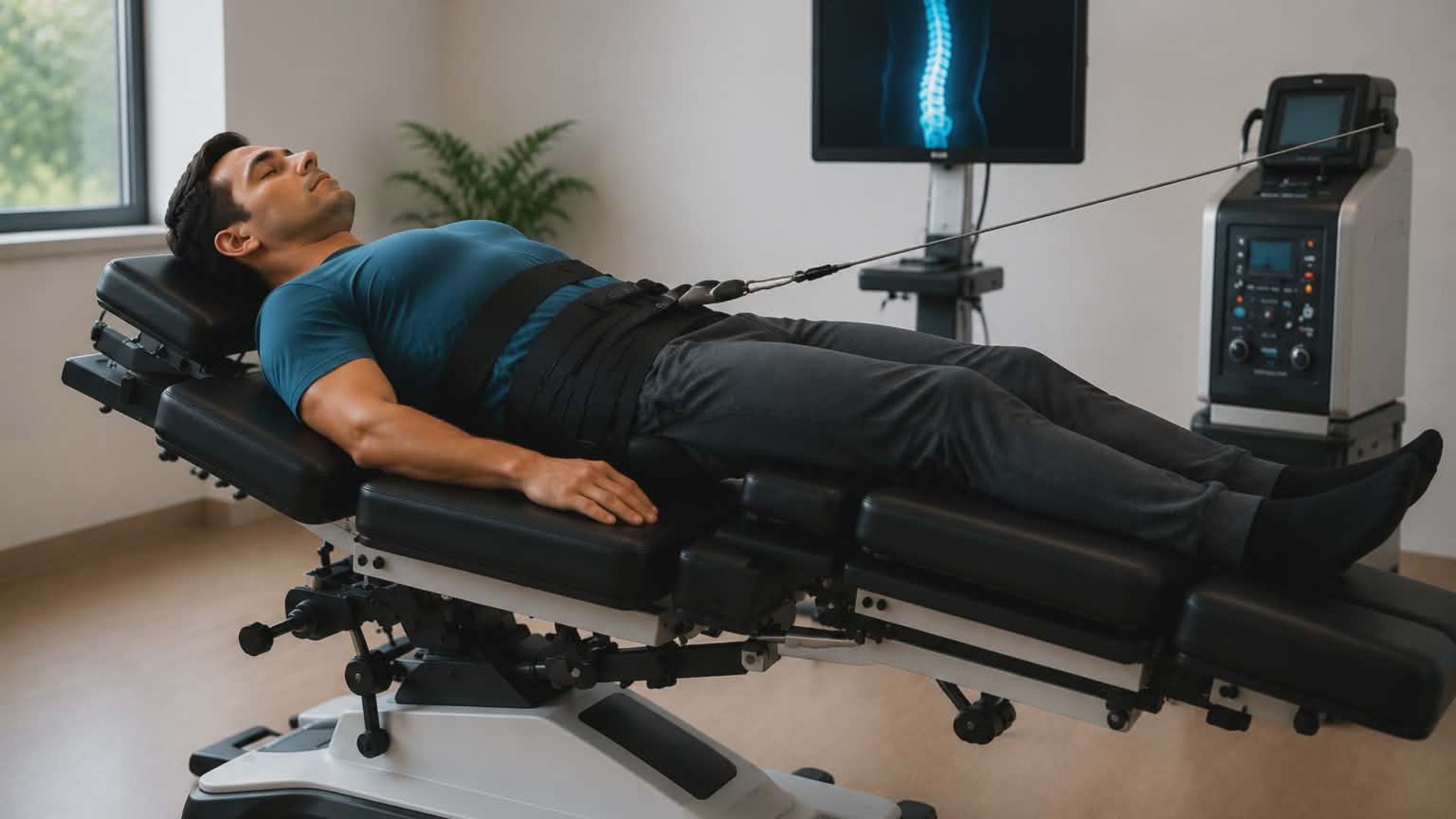
Before walking into a clinic, it helps to understand the basic concept. Spinal decompression therapy is a non-surgical treatment that gently stretches the spine using a motorized traction table. The goal is to relieve pressure on compressed spinal discs-the cushion-like structures between your vertebrae that can bulge, herniate, or degenerate over time.
When those discs are compressed, they can impinge on nearby nerves, causing pain, numbness, tingling, or weakness that radiates into your arms or legs. Decompression therapy creates negative pressure within the disc, which encourages herniated or bulging material to retract and allows nutrients and oxygen to flow back into the disc to support healing.
It sounds simple, but the mechanics behind it are quite precise. For a deeper look at how the process works, the team at Elite Chiropractic Rehab & Wellness has put together a comprehensive guide on spinal decompression therapy (opens in a new tab) that covers the science in plain language.
Who Is a Good Candidate for This Treatment?
Spinal decompression therapy isn’t one-size-fits-all, and a good clinic will always assess whether you’re a suitable candidate before beginning treatment.
Generally speaking, this therapy tends to work well for people dealing with herniated or bulging discs, degenerative disc disease, sciatica, facet joint syndrome, or chronic low back and neck pain that hasn’t responded well to other conservative treatments. Many patients who come to Elite Chiropractic Rehab & Wellness in Walnut Creek have already tried medication or physical therapy with limited success, and they’re looking for a non-invasive alternative before considering surgery.
That said, there are situations where spinal decompression may not be appropriate. Patients with severe osteoporosis, certain types of spinal fractures, spinal implants, or those who are pregnant are typically not candidates. This is why the initial evaluation matters so much-it protects you and ensures the treatment is actually right for your situation.
Your First Visit: The Initial Evaluation
The first thing that happens isn’t treatment-it’s a conversation.
When you arrive at Elite Chiropractic Rehab & Wellness, one of the doctors, either Dr. Ben Rosenstein or Dr. Tony Cresci, will sit down with you to go over your medical history, your symptoms, how long you’ve been experiencing pain, and any imaging you may have had done (such as an MRI or X-ray). This isn’t just paperwork. It’s the foundation of your care plan.
You may also go through a physical and neurological exam to assess your range of motion, reflexes, and areas of tenderness or nerve involvement. If imaging hasn’t been done yet, the team may recommend it before proceeding.
This phase sets the tone for everything that follows. It’s also your opportunity to ask questions, voice concerns, and understand exactly what the treatment plan will look like for your specific condition.
What Happens During a Spinal Decompression Session
Once you’ve been cleared for treatment, here’s what a typical session looks like from start to finish.
Getting Positioned on the Table
You’ll be asked to lie down on a specialized traction table. Depending on whether you’re treating your lower back or neck, you may lie on your back (face up) or stomach (face down). A harness is fitted around your pelvis, or torso-this is what the machine uses to apply traction. It might feel a little unusual at first, but it shouldn’t be uncomfortable.
For cervical (neck) decompression, a different setup is used where your head is gently cradled and secured instead.
The Decompression Cycle
Once you’re positioned, the computer-controlled table begins its work. It applies a slow, precise pulling force that gently stretches the spine and then releases it in a rhythmic pattern. This alternating tension and relaxation is intentional-it’s designed to maximize the negative pressure effect within the disc without triggering muscle guarding or spasms.
Most patients describe the sensation as a gentle stretch. Some find it immediately relaxing. It is not painful. If you ever feel discomfort, you can stop the session by pressing a patient safety switch that’s kept in your hand throughout the treatment.
How Long Does a Session Last?
A single decompression session typically runs between 20 and 45 minutes, depending on your treatment plan and how your body responds. Many clinics, including Elite Chiropractic Rehab & Wellness (ECRW), may pair the decompression with complementary therapies like cold laser therapy or myofascial release to enhance results. These additional treatments are often done either before or after the decompression itself.
You should plan for your appointment to take a bit longer than the table time alone, especially in the early visits when adjustments to your settings may be made.
How Many Sessions Will You Need?
This is one of the most common questions patients ask, and it deserves an honest answer: it depends.
Most treatment protocols range from 12 to 20 sessions over a period of four to six weeks. Some patients begin noticing improvement after just a few sessions. Others may not feel a significant change until the second or third week. This variation is normal and doesn’t necessarily predict your long-term outcome.
The severity of your condition, how long you’ve had it, your overall health, and how consistently you attend your sessions all play a role in how quickly you respond. Sporadic attendance tends to slow progress significantly, so commitment to the full plan matters.
After completing the initial series, many patients transition to a maintenance phase with less frequent visits designed to preserve the gains they’ve made and prevent regression.
What Does Recovery Look Like Between Sessions?
Unlike surgery, there’s no significant downtime with spinal decompression therapy. Most patients are able to return to their regular daily activities immediately after each session. In fact, staying gently active is usually encouraged.
However, your care team will likely give you specific guidance tailored to your condition. This might include avoiding heavy lifting, certain positions, or high-impact activities during the treatment period. Some patients are also given home exercises or stretches to support the work being done in the clinic.
One thing worth noting: it’s not unusual to feel mild soreness in the early sessions, similar to what you might feel after a new workout. This typically resolves within a day or two and tends to diminish as your body adapts to treatment.
What Results Can You Realistically Expect?
Spinal decompression therapy has helped many people reduce or eliminate chronic pain, improve mobility, and avoid surgery. But it’s important to approach it with realistic expectations rather than the hope of an overnight fix.
Most patients who complete a full course of treatment report meaningful reductions in pain and improved function. Some experience complete relief. Others see significant improvement but continue to manage some residual symptoms. A small percentage may not respond as hoped, in which case the clinical team will discuss other options.
The benefits and process of spinal decompression therapy (opens in a new tab) go beyond just pain relief. Many patients also notice better sleep, improved posture, and a greater ability to participate in activities they had previously given up due to discomfort.
Long-term outcomes are generally better for patients who also make lifestyle adjustments such as improving core strength, maintaining a healthy body weight, and staying active alongside their clinical treatment.
How Spinal Decompression Fits Into a Broader Care Plan
At Elite Chiropractic Rehab & Wellness, spinal decompression therapy isn’t offered in isolation.
It’s integrated into a broader, personalized care approach that may also include chiropractic adjustments, sports rehab therapy, massage therapy, cupping therapy, and cold laser or red light therapy.
This multi-modal approach matters because spinal pain is rarely caused by a single factor.
Muscle imbalances, poor movement patterns, scar tissue, and joint dysfunction all contribute, and addressing only one piece of the puzzle often leads to partial or temporary results.
The doctors at ECRW take the time to understand the full picture of your condition and design a care plan that addresses the root causes, not just the symptoms. This is what separates a truly effective clinic from one that’s simply running patients through a protocol.
Frequently Asked Questions
Is spinal decompression therapy painful?
Most patients find it painless and even relaxing. Mild soreness in the early sessions is possible but typically short-lived.
How is this different from regular traction?
Traditional traction applies a constant pull, which can trigger muscle guarding. Spinal decompression uses a computer-controlled, cyclic force that is precisely calibrated to avoid this response and maximize disc rehydration.
Will my insurance cover it?
Coverage varies significantly depending on your plan and provider. It’s best to contact the clinic directly to discuss billing and payment options before beginning treatment.
Can I return to work after a session?
For most desk-based or light-duty jobs, yes. If your work involves heavy lifting or prolonged physical strain, your care team may advise some temporary modifications.
What if I’ve already had back surgery?
This depends on the type of surgery and how long ago it was performed. Some post-surgical patients are candidates; others are not. This is evaluated on a case-by-case basis during your initial consultation.
Taking the Next Step
If you’ve been dealing with back pain, neck pain, or nerve-related symptoms and you’re tired of temporary fixes, spinal decompression therapy may be worth exploring. The most important thing you can do right now is get an evaluation from a qualified provider who will assess whether it’s actually the right fit for you, not just tell you what you want to hear.
Elite Chiropractic Rehab & Wellness serves patients throughout Walnut Creek and the greater Bay Area who are looking for non-surgical, evidence-based solutions to spine-related pain.
Their approach is thorough, personalized, and rooted in a genuine commitment to your long-term health, not just short-term relief.
If you’re ready to stop guessing and start getting answers, reach out to the team at ECRW (opens in a new tab) at 925-476-5070 or visit us to schedule your initial consultation. The path to a pain-free life starts with one honest conversation.