
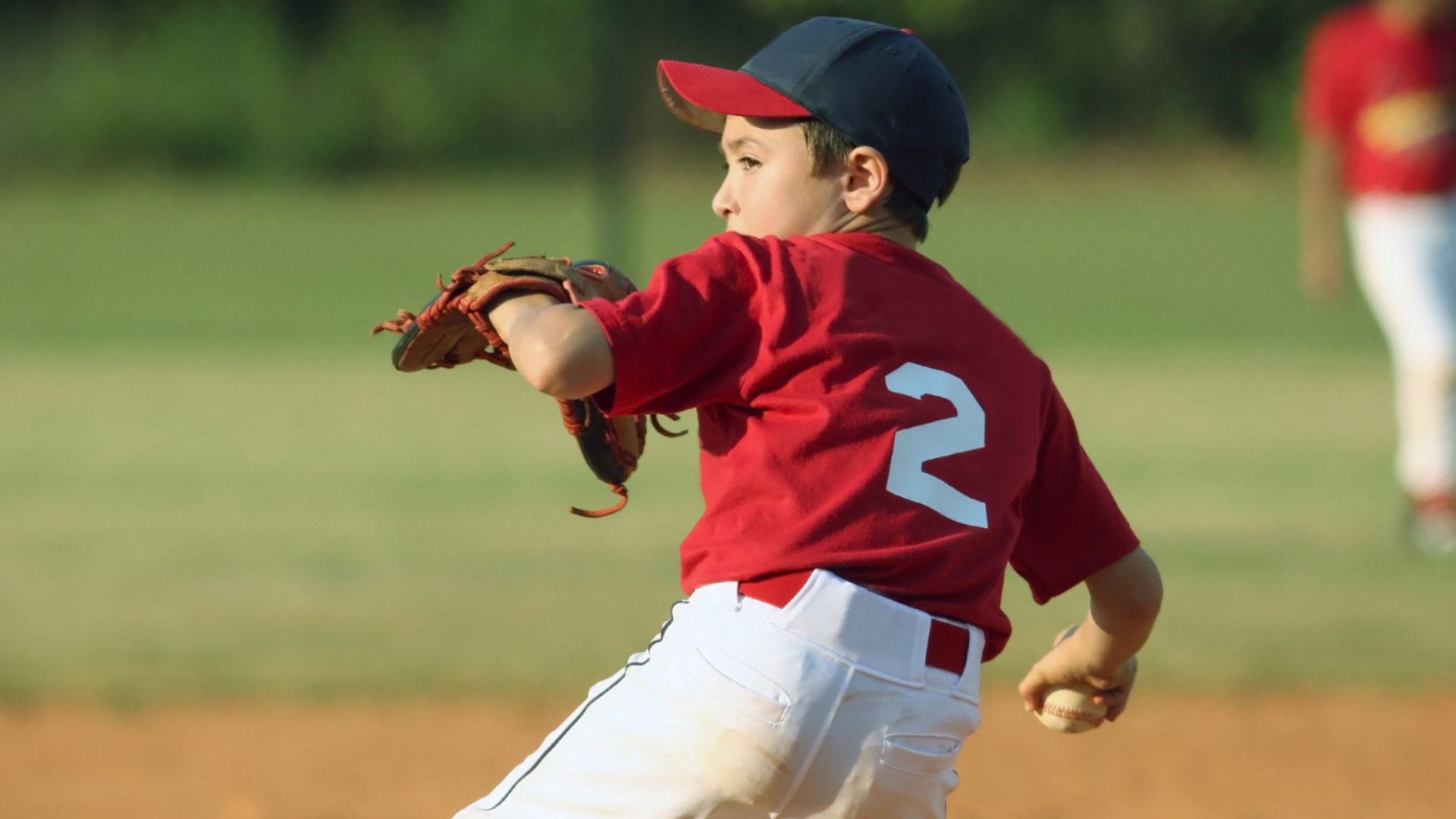
If your child has been complaining about shoulder pain after pitching, and rest does not seem to be helping, you may be dealing with something more specific than general soreness. Little League shoulder is one of the most common overuse injuries seen in young baseball players, and it deserves real attention – not just a week off and a return to the mound.
Here is what parents and coaches in Pleasant Hill and the surrounding Walnut Creek area need to know.
What Is Little League Shoulder?
Little League shoulder is a stress-related baseball injury (opens in a new tab) to the proximal humeral growth plate – the area of developing cartilage near the top of the humerus where the arm bone meets the shoulder joint. Because young athletes are still growing, this region is especially vulnerable to repetitive throwing stress.
Unlike a muscle strain or rotator cuff injury in an adult, this condition affects bone tissue that has not yet fully hardened. That makes it both more delicate and more important to catch early.
It most commonly affects pitchers between the ages of 11 and 16, though catchers and other position players who throw frequently are also at risk. USA Baseball and sports medicine organizations have long flagged this as a preventable condition when pitch count guidelines and proper mechanics are followed.
Recognizing the Signs
Shoulder Pain That Gets Worse With Throwing
The most telling sign is shoulder pain that starts during or after a throw and does not resolve with a short rest period. You might notice your pitcher rubbing the outer part of the arm near the shoulder, or experiencing a drop in throwing velocity without realizing why.
Tenderness and Swelling Over the Proximal Humerus
Physical examination often reveals tenderness directly over the proximal humerus, sometimes accompanied by mild edema or swelling. This tenderness is different from general muscle fatigue – it is localized and consistent.
Limited Range of Motion
A child with a little league shoulder may show reduced range of motion in the throwing shoulder, especially with rotation. They might avoid fully extending or internally rotating the arm during warm-ups or drills.
Elbow Pain as a Secondary Complaint
Some young athletes also experience elbow pain alongside their shoulder symptoms. This can be a sign that mechanics have been compensating for shoulder discomfort, placing extra stress on surrounding joints and tissue.
How Is It Diagnosed?
Diagnosis typically involves a physical exam combined with medical imaging. An X-ray can reveal characteristic widening of the epiphyseal plate – the growth plate at the proximal humerus. A pediatrician or sports medicine specialist may also assess arm strength, motion, and scapula positioning, including any signs of winged scapula or shoulder impingement syndrome.
Referring providers and children’s hospital orthopedic teams are often involved in more complex pediatric cases, especially if the injury has been ongoing for several weeks without improvement.
Treatment and Recovery
Rest Comes First
Complete rest from throwing is the cornerstone of treatment. This usually means four to six weeks away from baseball activity, sometimes longer depending on the severity of the injury.
This is not optional – continuing to pitch through this injury risks turning a manageable condition into something requiring orthopedic surgery.
Rehabilitation and Physical Therapy
Once the initial inflammation has settled, structured rehabilitation begins. Therapy (opens in a new tab) focuses on restoring range of motion, rebuilding rotator cuff and scapular muscle strength, and correcting any mechanical issues that may have contributed to the injury in the first place.
At Elite Chiropractic Rehab and Wellness (opens in a new tab), our sports rehab therapy (opens in a new tab) is designed specifically for young athletes working through musculoskeletal injuries. We take a team-based approach – meaning we coordinate care with the athlete, the parent, and any other medical providers involved – to make sure every patient has a clear, structured path back to their sport.
Gradual Return to Throwing
Returning to the ball too quickly is one of the biggest risk factors for re-injury. A gradual, monitored return-to-throw program typically begins with short-distance, low-effort tosses and progresses slowly over several weeks. Pitch count limits and rest days between appearances should remain in place throughout the season.
Additional Therapies That Support Healing
Depending on the individual case, cold laser therapy, myofascial release, and massage therapy (opens in a new tab) may also help reduce inflammation and support tissue recovery. These therapies are non-invasive and work well as part of a broader rehabilitation plan – especially for young, still-developing bodies.
Keeping Young Athletes Safe Through the Season
Prevention is always easier than treatment. For young players like the Pleasant Hill Baseball Association and Pleasant Hill Hawks, monitoring pitch counts, prioritizing proper throwing mechanics, and not skipping rest days are some of the most effective ways to prevent Little League shoulder from sidelining a pitcher mid-season.
If your child is showing signs of this injury, early evaluation by a specialist can make a meaningful difference in recovery time and long-term shoulder health.
Conclusion
Little league shoulder is a serious but treatable injury when caught early and managed correctly.
If your young athlete is dealing with persistent shoulder pain after throwing, do not wait it out and hope it resolves. The team at Elite Chiropractic Rehab and Wellness is here to help with sports rehab therapy (opens in a new tab) designed for active, growing bodies. Call us (opens in a new tab) at 925-476-5070 or visit elitecrw.com to schedule an evaluation and get your child back in the game safely.