
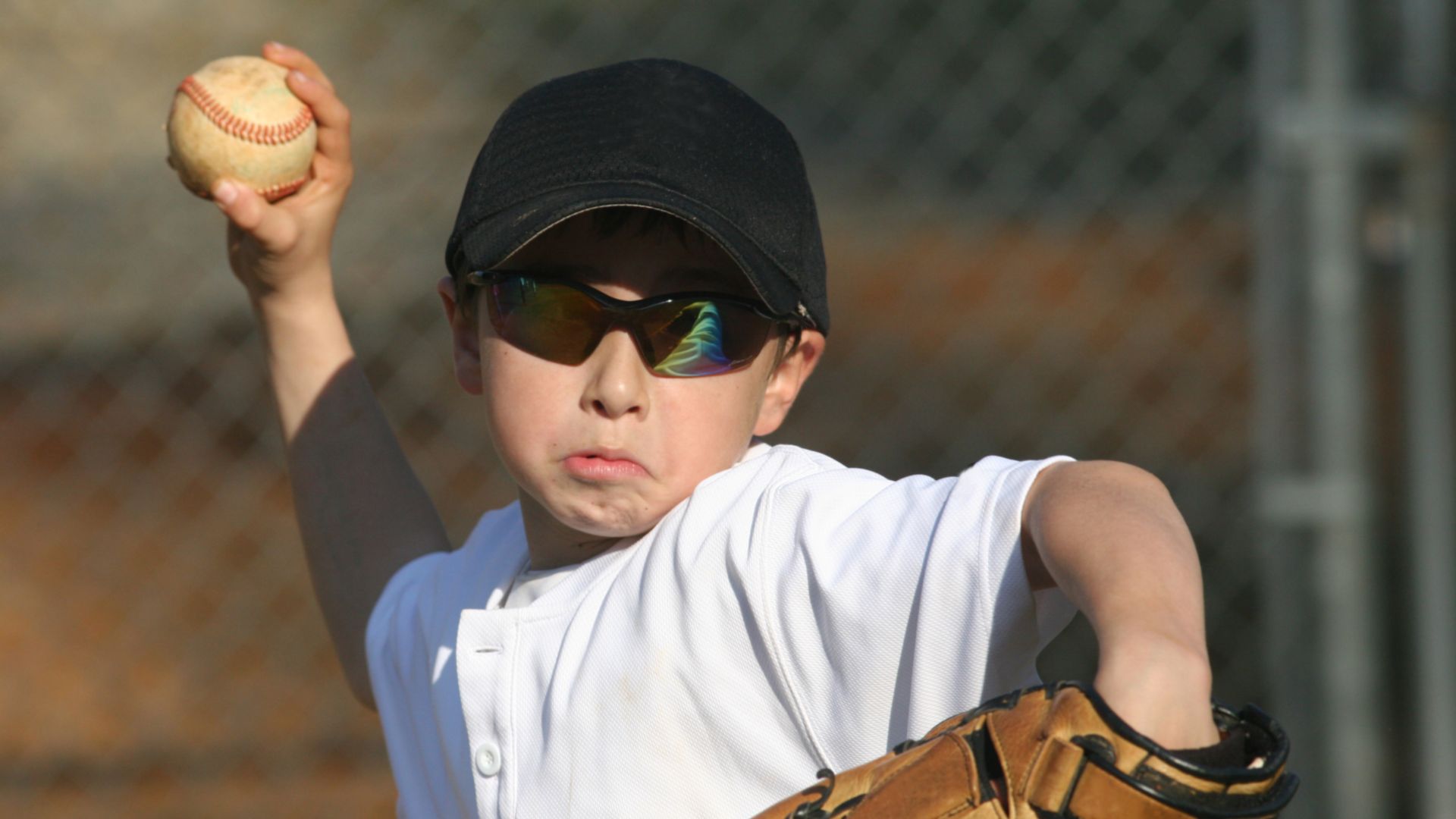
If your child plays baseball in Pleasant Hill and has been complaining about elbow soreness, you are not alone – and you should not brush it off. Elbow injuries in young athletes are far more common than most parents realize, and catching them early can make a significant difference in long-term outcomes.
For families with young athletes in the Pleasant Hill Baseball Association, Pleasant Hill Hawks, or other local baseball programs, elbow soreness during the season should never be ignored.
This guide breaks down what is actually happening inside a young pitcher’s arm, why it matters, and what you can do about it right now.
Why Young Pitchers Are at Greater Risk Than Adults
A child’s body is still developing, and that changes everything when it comes to sports-related injuries. The bones in a young athlete’s arm contain growth plates – areas of soft, developing cartilage near the ends of bones like the humerus, radius, and ulna. These growth plates are weaker than fully formed bone, which makes them vulnerable to repetitive stress.
Every time a pitcher throws, a significant force travels through the shoulder and elbow joint. In adult baseball players, the tendons and ligaments typically absorb that load. But in younger players, the stress on the growth plate becomes the primary concern. Repetitive throwing can cause micro-damage to these immature structures long before a child feels severe pain.
What Is Little League Elbow?
Little League elbow is not a single diagnosis – it is a general term used to describe a range of overuse injuries that occur on the medial (inner) side of the elbow in young throwers. It typically involves inflammation, irritation, or actual damage to the growth plate at the inside of the elbow.
The onset of pain is often gradual. A young pitcher may start by noticing stiffness after games, then mild discomfort during warmups, and eventually sharp pain that limits the throwing motion entirely. Parents and coaches sometimes confuse these early signals with normal soreness, which leads to delayed care.
Little League Baseball Pitch Count Rules Exist for a Reason
Little League Baseball has established pitch count rules at various age levels specifically to reduce the risk of elbow injury. These rules were developed in response to research showing that a higher number of pitches per outing and insufficient rest dramatically increase the risk of injury in young arms.
Parents and coaches with the Pleasant Hill Baseball Association, Pleasant Hill Hawks, and other youth baseball programs should treat pitch count limits as a safety tool, not just a league requirement.
Ignoring these guidelines – whether due to competitive pressure or lack of awareness – puts younger players in a medically dangerous position.
Common Elbow Injuries in Young Baseball Players
Understanding the specific injuries helps parents and coaches recognize warning signs earlier.
- Medial Apophysitis (Little League Elbow): This is the most common overuse injury seen in youth sports. It involves stress fracture-like changes or outright separation at the growth plate on the inner elbow.
- Osteochondritis Dissecans: This condition affects the cartilage and underlying bone on the outer side of the elbow joint. It can lead to loose bone fragments inside the joint and, if left untreated, may require elbow surgery, including reconstruction.
- Ulnar Collateral Ligament (UCL) Injuries: While UCL tears are more associated with adult baseball pitchers, adolescent athletes are increasingly developing UCL stress and partial tears. In severe cases, Tommy John surgery – or ulnar collateral ligament reconstruction – may be considered.
- Pitcher’s Elbow from Improper Pitching Mechanics: Faulty throwing mechanics place abnormal stress on the elbow and shoulder. A breakdown anywhere in the kinetic chain – from the feet to the forearm – can increase the load placed on the elbow.
Red Flags Parents and Coaches Should Watch For
Pain and swelling after pitching that does not resolve with rest are the most important warning signs. But there are others worth noting:
- Reduced range of motion in the elbow or difficulty fully straightening the arm
- Tenderness directly over the growth plate area or along the inside of the elbow
- Decreased velocity or accuracy during a pitch without an obvious cause
- Complaints of elbow and shoulder problems that seem linked
Any child with elbow or shoulder pain lasting more than a few days deserves a proper evaluation – not just ice and ibuprofen.
How Elbow Problems Are Evaluated and Treated
A thorough assessment typically starts with a clinical examination and may involve imaging such as an X-ray or MRI to assess growth plate integrity and identify any cartilage damage.
Pediatric and orthopedic evaluations are often necessary when a fracture or osteochondritis dissecans is suspected.
The treatment of most elbow issues in young throwers (opens in a new tab) – when caught early – does not require surgery. Rest, activity modification, and structured rehabilitation are the foundation. From an orthopedic and sports medicine standpoint, the goal is to restore proper range of motion, reduce inflammation, and rebuild strength through the entire throwing chain.
Sports rehab therapy (opens in a new tab) is a critical component of recovery. At Elite Chiropractic Rehab & Wellness, the team works with young athletes to address the root cause of their elbow pain – not just the symptoms. Services like sports rehab therapy, myofascial release, and cold laser therapy can support tissue healing and help restore proper biomechanics before a pitcher returns to the mound.
Should Young Pitchers Throw Curveballs?
This is one of the most debated topics in pediatric sports health. Throwing curveballs and other breaking pitches at a young age has been associated with a higher risk of elbow and shoulder problems, largely because of how the forearm rotates during these pitches. Teaching proper throwing mechanics before introducing breaking pitches at an early age is strongly advised by most orthopedics and sports medicine professionals.
Injury Prevention Starts Off the Field
Pitch count monitoring, adequate rest between outings, and learning proper throwing mechanics are the three most impactful steps for reducing the risk of elbow injury in youth baseball.
Strength and conditioning work for the shoulder, core, and lower body also plays a major role, because the elbow is an injury site that often reflects problems elsewhere in the kinetic chain.
Conclusion
Elbow pain in a young baseball player is never something to wait out without answers. If your child is a pitcher dealing with elbow soreness, stiffness, or reduced performance, early evaluation is the most protective step you can take. The team at Elite Chiropractic Rehab & Wellness is experienced in sports-related injuries and ready to help your athlete recover and return to the game stronger. Call (opens in a new tab) 925-476-5070 or visit elitecrw.com to schedule an evaluation today.