Chronic back pain has a way of taking over your life. It changes how you sleep, how you move, and even how you think about simple activities like walking to the car or sitting through a meal. If you have been told surgery might be your only option, it is worth knowing that many patients find lasting relief without ever going near an operating room.
Non-surgical spinal decompression is one of the most talked-about alternatives to procedures like laminectomy, spinal fusion, foraminotomy, and corpectomy. And for good reason – the results for the right candidates can be genuinely life-changing.
What Is Non-Surgical Spinal Decompression?
At its core, spinal decompression is a form of motorized traction applied to the spinal column. The goal is to gently stretch the spine, which reduces pressure on compressed intervertebral discs and nerve roots.
When a disc is under too much pressure, it can bulge or rupture – a condition known as disc herniation. This puts stress on surrounding nerves and the spinal cord, leading to pain, numbness, or weakness that can radiate down the legs in a pattern most people recognize as sciatica.
Non-surgical decompression creates negative pressure within the disc space. This encourages herniated or degenerated disc material to retract and improves the flow of nutrients, oxygen, and fluids back into the affected area, supporting the body’s natural healing process.
How Is It Different from Inversion Therapy or Regular Traction?
Many people confuse non-surgical spinal decompression with older forms of traction or inversion therapy. While all three approaches aim to relieve pressure on the spinal column, they are not the same.
Traditional traction applies a steady pull, which can trigger muscle guarding and limit effectiveness. Inversion therapy uses gravity and body weight but lacks the precise control needed to target specific vertebral levels. Modern decompression systems use computer-controlled tension that varies in a rhythmic pattern, which helps relax the muscles and allows the spine to respond more effectively.
This level of precision matters when you are dealing with specific conditions like degenerative disc disease, osteophyte formation, or nerve root compression at a particular segment of the spine.
Conditions That Respond Well to Decompression Therapy
Not every back problem is the same, and not every patient is an ideal candidate. However, research and clinical experience suggest that non-surgical spinal decompression tends to work well for:
- Disc herniation causing radiating leg or arm pain
- Degenerative disc disease affecting quality of life
- Sciatica linked to nerve compression
- Low back pain that has not responded to conservative care
- Posterior facet syndrome
Patients dealing with these conditions often report meaningful reductions in pain after a series of treatments. Some studies and systematic reviews have examined the efficacy of decompression therapy, with findings suggesting it can be a valuable tool in a broader pain management plan – especially when combined with other therapies.
What Does the Research Say?
The scientific literature on non-surgical spinal decompression is still growing. Randomized controlled trials and clinical trials have produced mixed but generally encouraging results, particularly for patients with disc herniation and chronic low back pain.
Research and clinical evidence suggest that decompression therapy may be a legitimate non-surgical option for select patients. Studies examining neuromodulation and electromyography have also explored how decompression influences nerve function and muscle response.
It is worth noting that, like any health care intervention, decompression therapy carries some risk and is not appropriate for everyone. Patients with spinal canal instability, fractures, or certain implants may not qualify. A thorough evaluation – often including magnetic resonance imaging – is essential before beginning treatment.
What to Expect During Treatment at Elite Chiropractic Rehab and Wellness
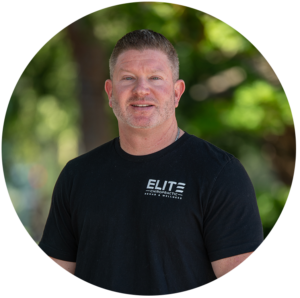
At Elite Chiropractic Rehab and Wellness (opens in a new tab) in Walnut Creek, California, spinal decompression therapy (opens in a new tab) is delivered as part of a structured, individualized care plan. Dr. Ben Rosenstein and Dr. Tony Cresci take the time to understand each patient’s history, symptoms, and goals before recommending a course of treatment.
A typical session involves lying on a specialized decompression table while the system applies gentle, computer-guided tension to the spine. Most sessions are comfortable – many patients actually find them relaxing. Treatment plans are typically designed around multiple sessions, and progress is assessed regularly.
Decompression is often paired with complementary therapies such as cold laser therapy, massage therapy, myofascial release, or cupping therapy to support healing, reduce inflammation, and restore movement more effectively than decompression alone.
Unlike naturopathy or acupuncture, which may overlap in philosophy, chiropractic-led decompression therapy is grounded in a musculoskeletal approach supported by physical therapy principles, exercise guidance, and evidence-based health care.
Is Non-Surgical Spinal Decompression Right for You?
If you are living with chronic back pain, sciatica, or a diagnosed disc injury and want to explore options before committing to surgery (opens in a new tab), a consultation with a qualified health care provider is the right first step.
The right candidate gets a thorough assessment – not a sales pitch.
Is Non-Surgical Spinal Decompression the Right Next Step?
Chronic back pain does not have to end in surgery. Non-surgical spinal decompression offers a proven, low-risk path toward relief for many patients dealing with disc herniation, sciatica, degenerative disc disease, and persistent low back pain (opens in a new tab). If you are ready to take that step, learn more about how Spinal Decompression Therapy (opens in a new tab) at Elite Chiropractic Rehab and Wellness can help you move better, feel better, and get back to living the life you deserve. You can also reach the clinic directly at 925-476-5070 to schedule your evaluation (opens in a new tab).