Neuropathy is one of those conditions that can quietly take over your life. The tingling, burning, numbness, or sharp-shooting pain in your hands and feet – it is not something you just “push through.” And if you have been told that medication is your only option, you might be surprised to learn there is more on the table.
So, can a chiropractor help with neuropathy? The short answer is yes, and there is real science behind it.
What Is Neuropathy, Really?
Peripheral neuropathy is a condition that occurs when the peripheral nervous system – the network of nerves outside your brain and spinal cord – is damaged or disrupted. This system is responsible for sending sensory signals between your central nervous system and the rest of your body, including your hands, feet, and muscles.
When those nerve pathways are compromised, the signals get scrambled. That is when patients start experiencing symptoms like paresthesia (that pins-and-needles sensation), hypoesthesia (reduced sensitivity to touch), muscle weakness, and neuropathic pain that can range from dull aching to sharp and electric.
Common Causes of Peripheral Neuropathy
Neuropathy does not have a single cause. It can stem from a variety of underlying issues, including:
- Diabetic neuropathy, which is one of the most common forms and affects millions of people living with diabetes
- Nerve compression (opens in a new tab) syndrome, such as carpal tunnel syndrome
- Injury or trauma to the spinal column or surrounding tissue
- Inflammation driven by cytokine activity
- Chronic pressure on a nerve from a misaligned joint or herniated disc
Understanding the root cause matters because it directly shapes what kind of treatment will actually help.
How Chiropractic Care Addresses Nerve Pain
Chiropractic care (opens in a new tab) is rooted in the understanding that the nervous system – including the spinal cord and the peripheral nervous system – functions best when the spine is properly aligned.
When vertebrae shift out of position, they can place pressure on nearby nerves and trigger the kind of chronic pain associated with neuropathy.
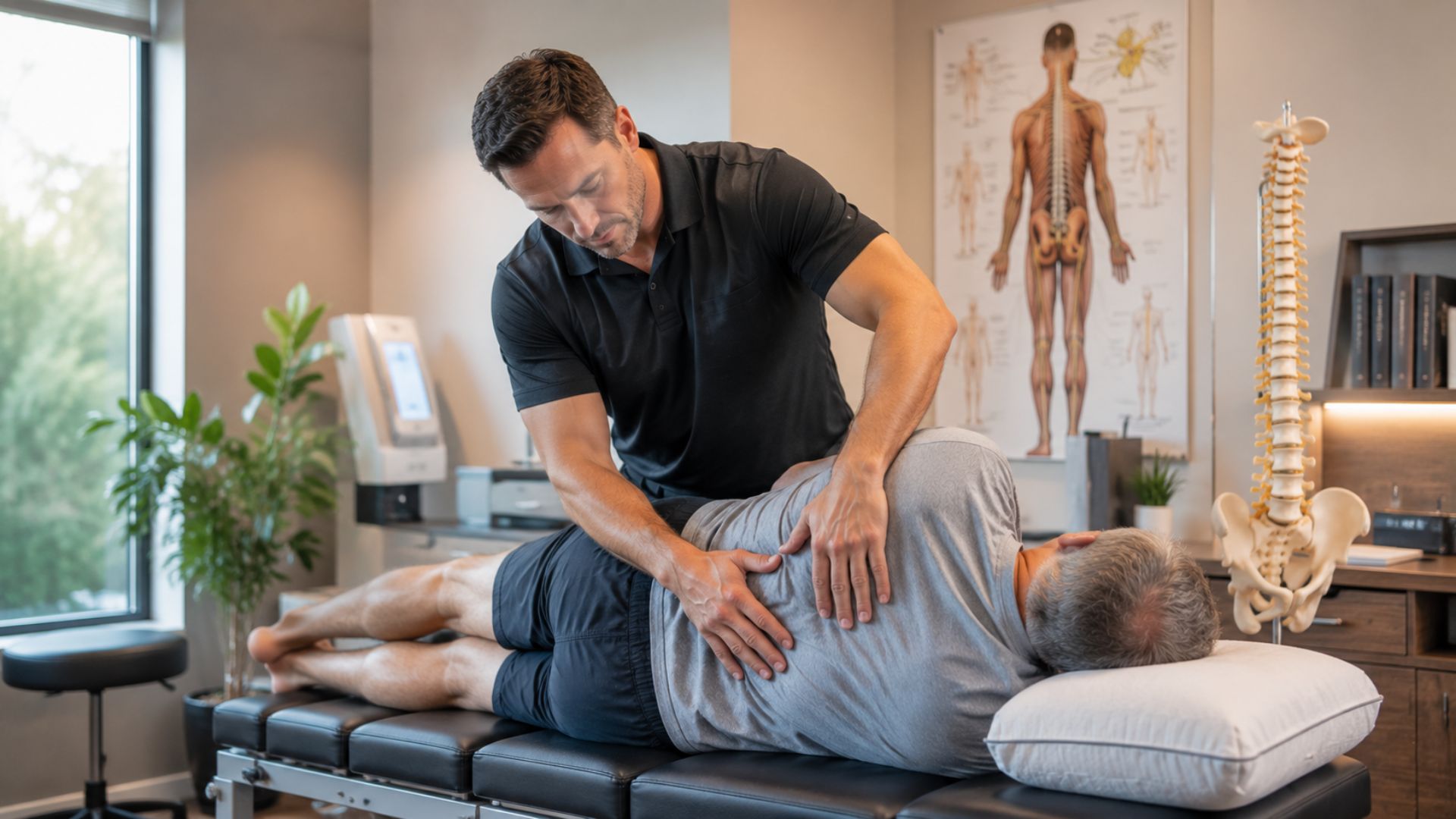
A spinal adjustment (opens in a new tab) works to correct these misalignments, which can relieve nerve compression and restore healthier communication between the brain and the body. This is not alternative medicine guesswork. Research continues to support the role of chiropractic care in managing nerve-related conditions by addressing the structural causes rather than just masking symptoms with medication.
Spinal Decompression for Nerve Compression Relief
One of the most effective tools in chiropractic care for neuropathy is spinal decompression therapy. This non-surgical approach gently stretches the spine, creating negative pressure that helps retract herniated or bulging discs that may be pressing against nerves or nerve roots.
For patients dealing with neuropathic pain that originates from the spine – such as radiating leg or foot pain – decompression can provide meaningful relief by targeting the source of the nerve irritation directly.
Cold Laser Therapy and Tissue Healing
Cold laser therapy, sometimes called red light therapy, is another treatment option worth knowing about. This therapy uses specific wavelengths of light to reach tissue and support cellular repair. For neuropathy patients, it can help reduce inflammation, improve circulation to damaged nerve tissue, and support the body’s natural healing process at a level that medication simply cannot reach.
Massage Therapy and Myofascial Release
Tight skeletal muscle and restricted fascia can contribute to nerve compression and worsen neuropathy symptoms. Massage therapy and myofascial release work to soften that tension, improve blood flow to affected areas, and reduce the pressure surrounding compromised nerves.
When combined with chiropractic adjustments, these therapies create a more complete approach to pain management – one that supports the whole musculoskeletal and nervous system, not just isolated symptoms.
Does Chiropractic Work for All Types of Neuropathy?
Chiropractic care tends to produce the best results when neuropathy is connected to spinal dysfunction, nerve compression, or musculoskeletal imbalances. It may not reverse nerve damage caused by advanced disease like diabetes, but it can meaningfully reduce pain, improve function, and support overall health during ongoing management.
Patients with diabetic neuropathy, carpal tunnel syndrome, and nerve-related foot pain have reported symptom improvement through consistent chiropractic care paired with targeted exercise and lifestyle changes.
It is also worth noting that chiropractic is not a replacement for medical care when a systemic disease is involved. The goal is collaboration: your chiropractor working alongside your primary care team to give your nervous system the best environment to function and heal.
What to Expect When You Start Care
Every patient at Elite Chiropractic Rehab and Wellness (opens in a new tab) begins with a thorough evaluation. Your chiropractors will assess your spinal column, review your signs and symptoms, and develop a care plan tailored to your specific type of neuropathy and its likely causes.
Treatment is structured and progressive. You will not be handed a generic protocol. The approach evolves as your body responds, which is exactly how evidence-based care should work.
How Chiropractic Care May Help Neuropathy
Neuropathy does not have to be a permanent sentence of burning, tingling, or weakness. Chiropractic care – including spinal adjustment, decompression therapy, cold laser therapy, and massage – offers a real, non-surgical path toward relief. If nerve pain has been limiting your life, take the next step and learn more about Spinal Decompression Therapy (opens in a new tab) at Elite Chiropractic Rehab and Wellness. Call us at 925-476-5070 to schedule your evaluation (opens in a new tab) and start moving toward a pain-free life.