
If you have been dealing with persistent back pain, radiating leg discomfort, or a diagnosis like a herniated disc, chances are someone has mentioned spinal decompression therapy at some point. But who actually benefits from it? And more importantly, is it right for you?
This is a question worth answering carefully, because not everyone with back pain is an ideal candidate, and not every clinic takes the time to explain the difference. At Elite Chiropractic Rehab & Wellness (opens in a new tab) in Walnut Creek, California, the goal is to make sure patients understand their options before committing to any treatment plan.
Let us walk through who tends to respond well to spinal decompression therapy, what conditions it is commonly used for, and what factors might make someone a less suitable candidate.
What Is Spinal Decompression Therapy, and Why Does Candidacy Matter?
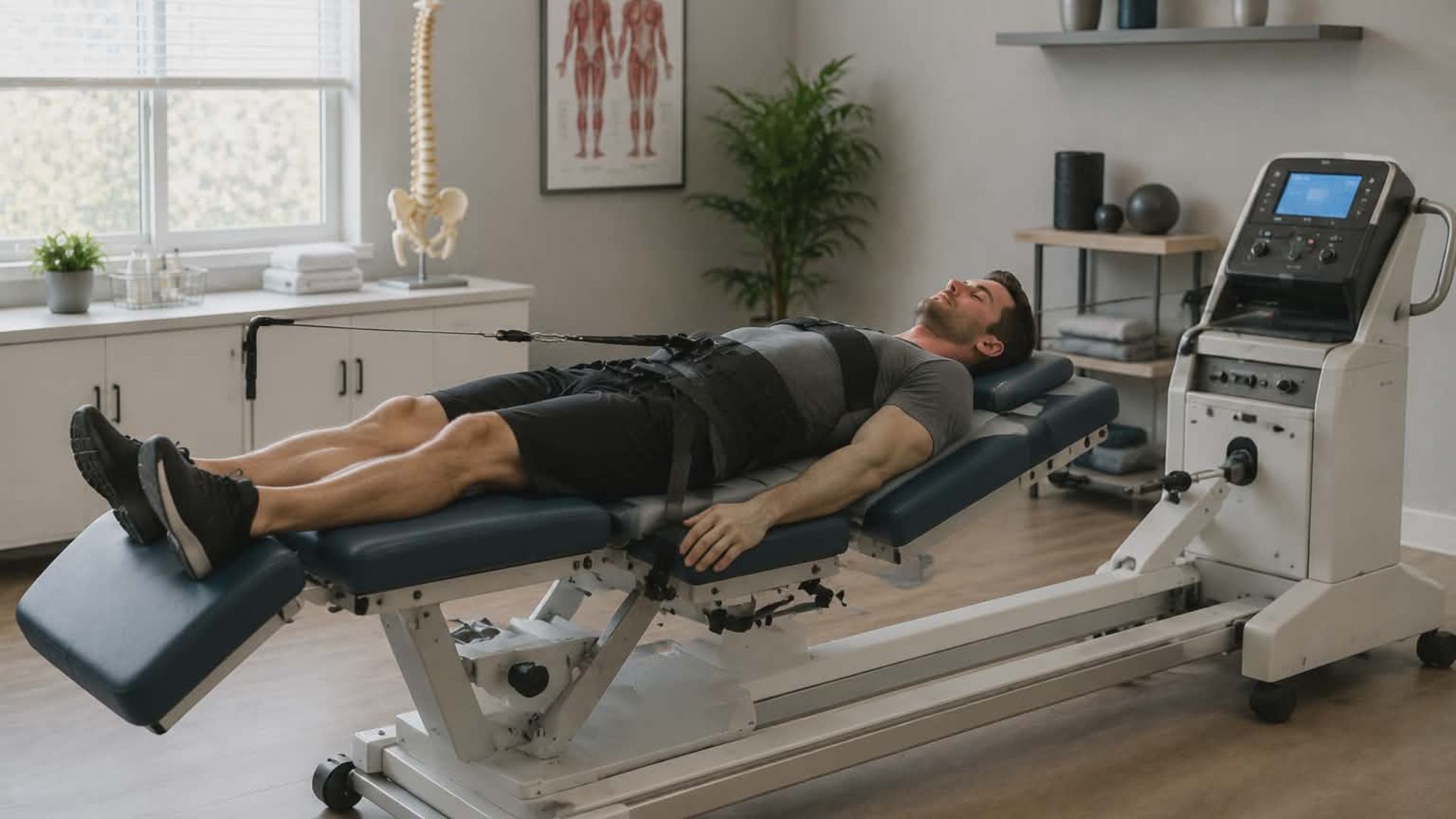
Spinal decompression therapy is a non-surgical treatment that gently stretches the spine using a motorized traction table. The controlled stretching creates negative pressure inside the spinal discs, which can help retract herniated or bulging disc material and encourage the flow of nutrients and oxygen back into damaged tissue.
It sounds straightforward, but the therapy works best when it is matched to the right patient. Applying spinal decompression to someone with an unstable fracture or advanced osteoporosis, for example, could do more harm than good. That is why a proper evaluation is always the first step.
For a deeper look at how the process works mechanically, understanding spinal decompression therapy (opens in a new tab) can give you useful context before your first consultation.
Who Are the Best Candidates for Spinal Decompression Therapy?
People Living With Herniated or Bulging Discs
This is probably the most well-known application of spinal decompression. A herniated disc occurs when the soft inner material of a spinal disc pushes through its outer casing and presses on nearby nerves. The result is often sharp, localized pain combined with radiating discomfort that travels down an arm or leg.
Spinal decompression creates the negative intradiscal pressure needed to gently pull that material back toward the center of the disc. Over multiple sessions, many patients notice a significant reduction in both local and radiating pain. It does not work overnight, but for people who have been managing disc issues for months or years, it can be a meaningful turning point.
Patients Diagnosed With Degenerative Disc Disease
Degenerative disc disease is a bit of a misleading name. It is not technically a disease, but rather the gradual breakdown of the cartilage-like discs that sit between your vertebrae. As people age, discs lose moisture and height, which reduces their ability to absorb shock and maintain proper spacing between vertebral bones.
This narrowing can compress nerves and lead to chronic, dull pain that worsens with prolonged sitting or standing. Spinal decompression therapy helps by creating space between the vertebrae, which takes pressure off the discs and improves circulation to the area. Patients with mild to moderate degeneration tend to see the most consistent results.
Individuals Suffering From Sciatica
Sciatica is not a diagnosis on its own. It is a symptom, specifically a radiating pain that travels along the sciatic nerve, which runs from the lower back through the hips and buttocks and down each leg. The cause is usually compression of the nerve root in the lumbar spine, often from a herniated disc or bone spur.
The burning, shooting, or tingling pain of sciatica can be debilitating. Spinal decompression therapy targets the root cause by relieving the compression at the nerve’s origin. Many patients who have tried physical therapy, pain medication, and steroid injections with limited results find that spinal decompression offers a different kind of relief because it addresses the structural problem rather than masking the pain.
Those With Posterior Facet Syndrome
The facet joints are small stabilizing joints located along the back of the spine. When these joints become inflamed or worn down, the condition is called posterior facet syndrome or facet joint syndrome. It typically causes pain and stiffness in the back, especially when bending backward or twisting.
Spinal decompression therapy can help reduce the load on these joints by creating space in the affected spinal segments. While it is not always the first-line approach for facet syndrome, it is often combined with other chiropractic treatments for more comprehensive relief.
Patients With Spinal Stenosis (Mild to Moderate)
Spinal stenosis refers to the narrowing of the spinal canal, which puts pressure on the spinal cord and nerve roots. Symptoms include pain, numbness, or weakness in the legs, often made worse by walking or standing for extended periods.
Mild to moderate cases of lumbar spinal stenosis can respond well to spinal decompression.
The therapy temporarily creates more space in the canal, reducing nerve compression and improving blood flow. However, severe stenosis may require a more complex approach, which is why a thorough clinical evaluation is essential before beginning treatment.
Chronic Low Back Pain Patients Who Have Not Found Relief Elsewhere
Many people arrive at a spinal decompression consultation after years of trying other treatments. They have done physical therapy, taken prescription anti-inflammatories, visited multiple specialists, and still cannot get through a workday without significant pain. This group is often an excellent candidate for spinal decompression, particularly when imaging studies confirm disc involvement or nerve compression.
If you fall into this category, it is worth having an honest conversation with a qualified chiropractor about what spinal decompression can realistically accomplish for your specific case.
Who May Not Be a Good Candidate?
Understanding candidacy means understanding both sides of the equation. Spinal decompression therapy is not appropriate for everyone, and responsible providers will tell you this upfront.
People who are generally not suitable candidates include those with severe osteoporosis, spinal fractures that have not fully healed, or spinal fusion hardware in the targeted area. Active spinal infections or tumors and advanced spinal instability are also contraindications.
Patients who have had multiple spinal surgeries may also require careful evaluation, as scar tissue and hardware can change how the spine responds to traction. This does not mean surgery automatically disqualifies someone, but it does mean the decision needs to involve a full review of surgical history and imaging.
The advantages and disadvantages of spinal decompression (opens in a new tab) are worth reviewing if you want to go into a consultation fully informed about both the potential benefits and the limitations.
The Evaluation Process at Elite Chiropractic Rehab & Wellness
At Elite Chiropractic Rehab & Wellness, candidacy for spinal decompression therapy is determined through a thorough intake process. Drs. Ben Rosenstein and Tony Cresci take the time to review each patient’s medical history, current symptoms, and any relevant imaging before making a recommendation.
This is not a one-size-fits-all approach. The clinic’s philosophy is built around active participation and trust, which means patients are kept informed at every step. If spinal decompression is appropriate, a personalized plan is built around it. If it is not, other evidence-based options such as chiropractic care, massage therapy, myofascial release, or cold laser therapy may be better suited to the patient’s needs.
The goal is never to push a single treatment. It is to find the right combination of therapies that helps you move better and feel better long-term.
What the Research Says About Patient Selection
According to a review indexed by the National Center for Biotechnology Information, non-surgical spinal decompression has shown promising outcomes for people with lumbar disc herniation and radiculopathy when candidates are carefully selected, and treatment is consistently administered. The emphasis on proper patient selection appears repeatedly in the clinical literature, reinforcing what practitioners already know from experience: this therapy works best when it is targeted.
That is why the conversation around candidacy matters as much as the therapy itself. A few sessions with the wrong patient will not produce results, and it can lead to unnecessary frustration. A well-matched patient, treated over the appropriate number of sessions, has a much higher likelihood of meaningful improvement.
Combining Spinal Decompression With Other Treatments
Spinal decompression therapy rarely achieves optimal results when used in isolation. Most patients benefit from a broader treatment plan that addresses not just disc pressure but also the muscle tension, mobility restrictions, and movement patterns that contributed to the problem in the first place.
At Elite Chiropractic Rehab & Wellness, spinal decompression is often paired with chiropractic adjustments to restore joint alignment, sports rehab therapy to rebuild strength and stability, and massage therapy or myofascial release to address soft tissue restrictions. This layered approach tends to produce more durable results than decompression alone.
For patients recovering from an accident or personal injury, the same comprehensive model applies. Reducing nerve compression is an important piece of the puzzle, but restoring full function requires attention to the whole picture.
Frequently Asked Questions
How do I know if I am a candidate without seeing a doctor?
You cannot know for certain without a professional evaluation, but strong indicators include a diagnosis of herniated disc, sciatica, degenerative disc disease, or spinal stenosis combined with pain that has persisted despite other treatments. If this describes your situation, it is worth scheduling a consultation.
Does age affect candidacy for spinal decompression therapy?
Age alone is not a disqualifying factor. Many older adults benefit significantly from spinal decompression, particularly those with age-related disc degeneration. The key considerations are bone density, overall spinal stability, and the absence of contraindicated conditions.
How many sessions are typically needed to see results?
Most treatment protocols involve somewhere between 15 and 30 sessions, often spread across several weeks. Some patients notice improvement within the first few sessions, while others see more gradual progress. Consistency is critical to achieving lasting results.
Is spinal decompression covered by insurance?
Coverage varies by insurance provider and plan. It is best to contact your insurance company directly and ask about non-surgical spinal decompression. The team at Elite Chiropractic Rehab & Wellness can also help you navigate billing questions during your intake process.
Making the Right Decision for Your Spine
Chronic back pain has a way of grinding people down over time. It affects work, sleep, relationships, and the ability to do the things that matter most. If you have been managing pain for months or years and have not found a solution that sticks, spinal decompression therapy deserves serious consideration.
The most important thing you can do right now is speak with a qualified provider who will evaluate your situation honestly and give you a clear picture of whether this therapy aligns with your needs. If you are in the Walnut Creek area, Elite Chiropractic Rehab & Wellness is built for exactly that kind of conversation.
Call the clinic (opens in a new tab) at 925-476-5070 or visit elitecrw.com (opens in a new tab) to schedule a consultation with Dr. Rosenstein or Dr. Cresci. You deserve a clear path forward, and it starts with understanding whether spinal decompression therapy is the right tool for the job.