
If you have been dealing with strange pain, tingling, or weakness and it just does not feel “normal,” you might be wondering what is going on inside your body. One condition people often search for is spinal cord compression.
But what does spinal cord compression feel like? Is it just back pain? Or is it something more serious?
As chiropractors in Walnut Creek, California, we have worked with many patients who were unsure whether their symptoms were muscular, nerve-related, or something deeper. Let’s break this down in clear, straightforward language so you can understand what is happening, what warning signs matter, and when to act.
Understanding Spinal Cord Compression
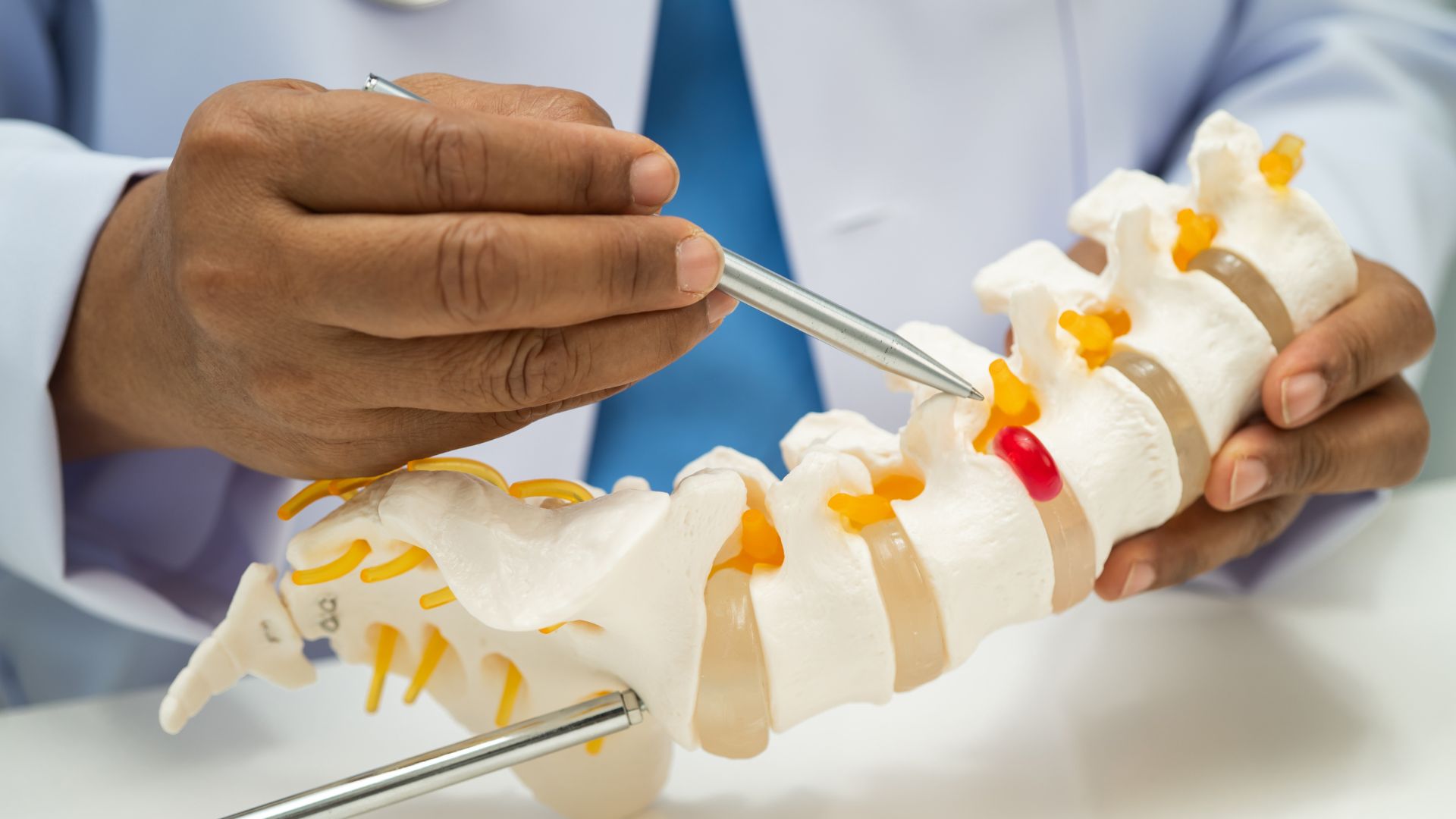
Your spinal cord is the main communication highway between your brain and the rest of your body. It travels through a protective tunnel known as the spinal canal, which runs through the center of the spinal column. The bones of the spine, called vertebrae, stack on top of one another to protect it.
Between each vertebra are discs that act as shock absorbers. Surrounding everything are muscles, ligaments, and other soft tissues that provide stability.
Spinal cord compression happens when something begins to compress or irritate the delicate cord. This condition that puts pressure on sensitive nerves can interfere with signals traveling between the brain and the rest of the body.
When that communication is disrupted, it leads to symptoms.
What Does Spinal Cord Compression Feel Like?
The experience can vary. That is why many people miss the early signs.
At first, spinal cord compression may feel like:
- Persistent back pain or neck pain
- Tingling or numbness in one or both legs
- Weakness in arms or legs
- A feeling of heaviness or imbalance
- Difficulty walking or loss of coordination
Pain may start subtly. It might feel like tight muscles or stiffness. But unlike normal muscle soreness, spinal compression often does not improve with simple rest.
As the pressure increases, symptoms often affect daily activities. You might notice trouble gripping objects, a loss of fine motor skills, or changes in reflex response during a medical exam.
In more advanced cases, symptoms of spinal cord compression can include problems with bladder control or bowel function. These are serious red flags that require immediate medical attention.
Where the Compression Happens Matters
Cervical Spine Compression
When compression affects the cervical spine in the neck, it can impact the cervical spinal cord directly.
Common signs and symptoms include:
- Neck pain
- Numbness in the arm or hand
- Weakness
- Loss of fine motor skills
- Balance issues
A common cause of spinal cord problems in the neck is cervical spondylotic myelopathy, a condition linked to spondylosis, arthritis, and osteoarthritis affecting the cervical vertebrae. Over time, degeneration and bone spurs can narrow the space and put pressure on the spinal cord.
This type of myelopathy often develops gradually.
Thoracic Compression
The thoracic region refers to the middle part of your spine near the ribs. Thoracic vertebrae are less commonly affected, but when spinal cord compression can develop here, it may cause:
- Band-like pain around the abdomen
- Mid-back stiffness
- Weakness or coordination changes
Because symptoms often affect balance and trunk stability, people sometimes think it is just muscle strain.
Lumbar Spine Compression
In the lower back, compression can affect the lumbar spine or nearby nerve roots.
If the area near the cauda equina is compressed, it may lead to cauda equina syndrome, a serious emergency. The cauda equina is a bundle of nerves at the base of the spinal cord.
Warning signs include:
- Severe pain in the lower back
- Numbness in the inner thighs, known as hypoesthesia
- Loss of bowel or bladder control
- Urinary incontinence
Symptoms may develop suddenly in these cases, and immediate care is critical.
What Causes Spinal Cord Compression?
Spinal cord compression caused by structural or medical issues can occur in several ways. It is often caused by spinal degeneration, but not always.
Common causes include:
- Herniated discs that compress the cord
- Bone spurs from arthritis
- Injury after an accident
- A neoplasm or malignancy, such as breast cancer, prostate cancer, lymphoma, or Hodgkin lymphoma, that can spread or metastasize to bone
- Effects of cancer or cancer treatment, including radiation therapy
- Infection or edema, which is swelling in tissue (biology) due to fluid buildup
In oncology cases, a type of cancer can spread along the spinal column and cause spinal cord compression by putting direct pressure on the spinal cord and nerves.
Depending on the cause, symptoms may develop suddenly or gradually.
Early Warning Signs You Shouldn’t Ignore
The early signs of spinal compression are often subtle.
Watch for:
- Weakness that seems progressive
- Tingling or numbness that does not go away
- A compressed nerve feeling with radiating discomfort
- Changes in coordination
- Back pain that feels deep and persistent
- Blow to the neck or human back after an injury
These compression symptoms can gradually worsen. When spinal cord compression depends on the severity and location, it may affect one side or both sides.
If you feel that your spine may be involved, do not ignore it.
How Is Spinal Cord Compression Diagnosed?
A thorough medical diagnosis typically starts with a physical exam and neurological evaluation. Your reflexes, muscle strength, and sensation will be tested.
Imaging is often necessary. This may include:
- An MRI scan, also called magnetic resonance imaging
- A CT scan
- Myelography
- Other forms of medical imaging
An MRI is especially helpful in viewing soft tissues, discs, and whether pressure on the spinal cord is present. A CT scan may provide additional detail about bone structure.
In rare complex cases, biopsy or further oncology testing may be required.
Treatment for Spinal Cord Compression
Treatment depends on the underlying cause and severity. Treatment for spinal cord compression is highly individualized.
In mild or moderate cases, conservative care may include:
- Physical therapy to stabilize the spine
- Nonsteroidal anti-inflammatory drugs as an analgesic
- Corticosteroid medication to reduce swelling
- Pain management strategies
- A cervical collar for short-term support
- Ice to relieve pain and swelling
- Spinal Decompression Therapy
In more severe cases, especially acute spinal cord compression, surgery may be required to relieve pressure on the spinal cord and protect the spinal cord from permanent damage.
In oncology-related cases of spinal cord compression, radiation therapy or surgical decompression may be part of the medical team’s plan.
Can Chiropractic Care Help?
While serious cases require close collaboration with neurology or a surgeon, many people in Walnut Creek with early or moderate symptoms benefit from structured, non-invasive support.
At Elite Chiropractic Rehab & Wellness, our goal is to protect the spinal cord and restore function wherever possible. Our team of spine specialists evaluates whether symptoms are related to spinal mechanics, disc issues, or nerve irritation.
Our non-surgical spinal decompression therapy is designed to gently relieve pressure on the spinal discs, improve blood circulation, and reduce inflammation. In appropriate cases, this can help manage spinal stress before it progresses.
If spinal cord compression may be present, we coordinate care carefully and refer when necessary. Safety always comes first.
When Is It an Emergency?
You should go to an emergency department immediately if you experience:
- Sudden severe pain
- Rapid weakness in arms or legs
- Loss of bowel or bladder control
- Symptoms may develop suddenly after trauma
Acute spinal cord compression is a medical emergency. Delaying care can lead to permanent nerve damage.
Final Thoughts: Listen to Your Body
Your spine may send quiet warning signals before things become serious. Spinal cord compression can develop slowly, but the earlier it is addressed, the better your chances of recovery. If you notice weakness, numbness, coordination problems, or changes in bowel or bladder function, do not wait. Early evaluation can prevent long-term damage and help you stay active.
If you are in Walnut Creek and concerned about symptoms of spinal compression, schedule an evaluation with Elite Chiropractic Rehab & Wellness. We are here to help you move better, feel stronger, and protect your long-term spinal health.
