
If you have been diagnosed with a herniated disc, you are probably sorting through a mix of advice, Google searches, and maybe even fear. You may have heard that spinal decompression can help. You may also be wondering if that is just marketing language or if it can truly relieve pain.
The short answer is this: spinal decompression may help many patients with herniated discs, but it depends on your specific condition, symptoms, and goals. Before considering spinal surgery or more aggressive procedures, it is worth understanding how decompression works and whether you are a good candidate.
At Elite Chiropractic Rehab & Wellness in Walnut Creek, California, we guide patients through these decisions every day. Here is what you should know before booking treatment.
What Exactly Is a Herniated Disc?
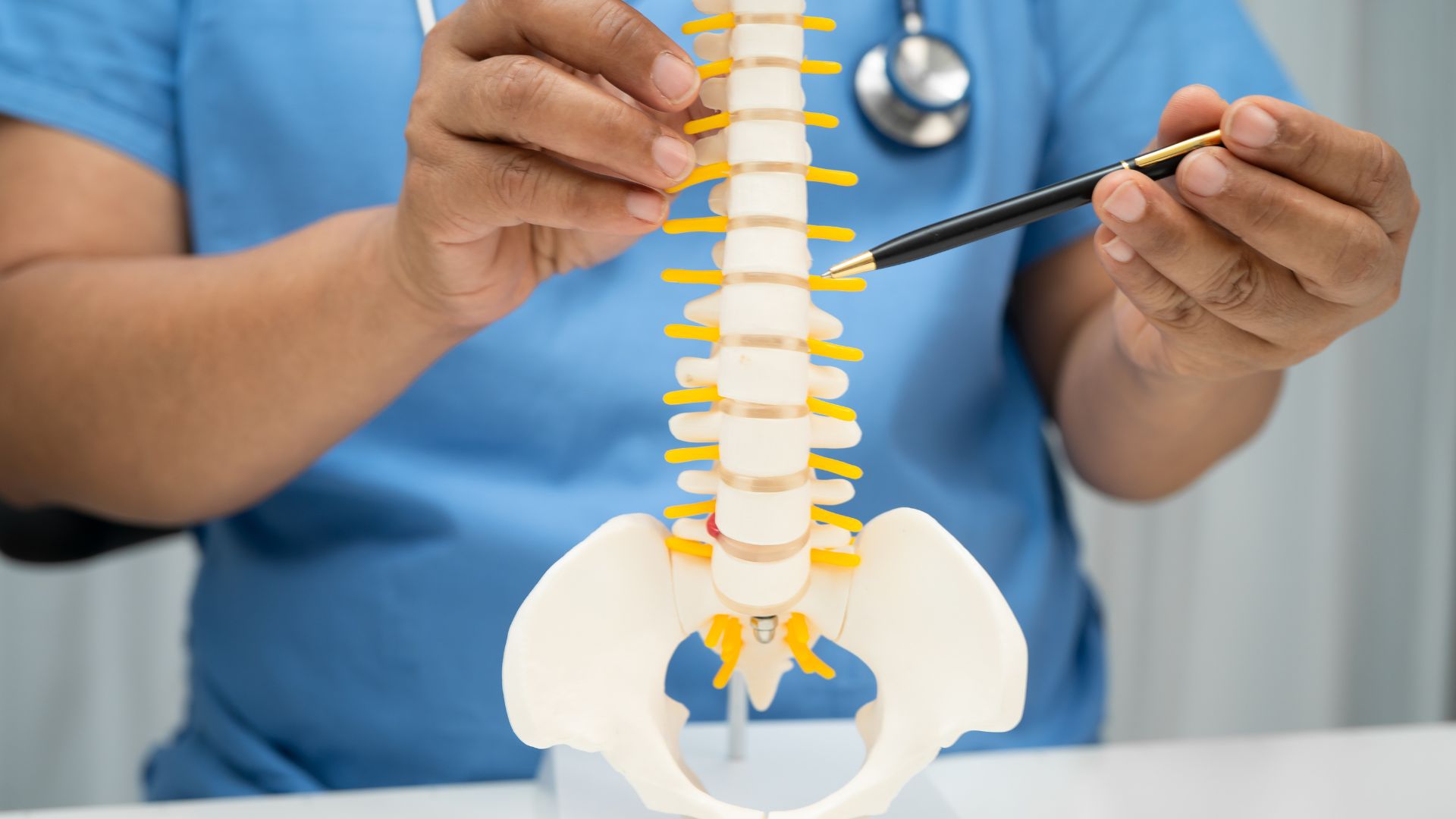
Your spine is made up of vertebrae, and between those bones sit intervertebral discs. These discs act like cushions. They absorb pressure, allow movement, and protect the spinal cord and nerve roots that exit the spinal column.
A herniated disc happens when the softer inner material of the disc pushes through its tougher outer layer. Sometimes it is called a disc herniation, a disc bulge, or lumbar disc herniation when it affects the lumbar spine.
When that disc material presses on a spinal nerve, you can experience:
- Sharp back pain or low back pain
- Leg pain, often related to the sciatic nerve
- Numbness, also known as hypoesthesia
- Tingling or paresthesia
- Muscle weakness
This pain is often caused by nerve compression. The irritated nerve root can also trigger inflammation and stress in nearby tissue. In more severe cases, pressure on the spinal cord or nerves can affect the nervous system and daily function.
Most people will deal with back pain at some point. But herniated disc pain is different. It may not just stay in the back or neck. It can travel down an arm or leg, affecting your quality of life.
What Is Spinal Decompression and How Does It Work?
Spinal decompression is a targeted, controlled form of spinal traction. Using a specialized decompression table, a health professional gently stretches the spine at specific angles. The goal is to reduce pressure within the disc and take stress off the affected nerve.
Decompression therapy is a non-surgical treatment designed to create negative pressure in the disc space. This negative pressure can pull bulging or herniated discs slightly back into place and improve fluid and nutrient exchange for disc healing.
In simple terms, spinal decompression techniques work by:
- Stretching the spine
- Reducing pressure in your spine
- Improving blood flow and nutrient delivery
- Helping reduce nerve compression
When decompression reduces pressure on spinal structures, many patients report meaningful pain relief without surgery. Decompression is a non-invasive approach that works with your body’s natural healing ability.
Can Spinal Decompression Fix a Herniated Disc?
Here is where expectations matter.
Spinal decompression is not magic. Decompression isn’t about instantly erasing damage. It is about changing the mechanical forces that are irritating the nerve and preventing healing.
For patients with herniated discs, especially in the lumbar vertebrae, decompression therapy can help by:
- Lowering pressure on the spinal canal
- Reducing nerve root irritation
- Creating an environment that supports disc healing
- Helping relieve pain and inflammation
Scientific literature supports that non-surgical spinal decompression may benefit patients with Herniated Discs and conditions like Degenerative Disc Disease and even Lumbar Spinal Stenosis. When decompression helps reduce nerve compression syndrome, patients often report both back pain relief and reduced leg pain.
In many cases, spinal decompression therapy can help patients avoid more invasive spinal decompression surgeries such as discectomy, laminectomy, laminotomy, or spinal fusion.
When Is Surgery Necessary?
Sometimes surgical spinal decompression is necessary. If there is severe spinal cord compression, progressive weakness, loss of bowel or bladder control, or signs of spinal cord injury, immediate evaluation by a surgeon or neurosurgery specialist is critical.
Procedures like spinal fusion, discectomy, or a minimally invasive procedure to remove disc material can be appropriate in severe cases. However, with any spinal surgery, there are risks associated with surgery, including infection, scar tissue, bone fracture, or prolonged recovery.
That is why many patients first explore options that provide relief without surgery.
Spinal decompression offers pain relief without the risks of surgery for suitable candidates. For people considering spinal surgery, it can be a valuable first step unless there is an emergency condition.
What Conditions Respond Best to Decompression?
Spinal decompression treatment is commonly used for:
- Herniated or bulging discs
- Degenerative disc disease
- Spinal stenosis or lumbar spinal stenosis
- Sciatica involving the sciatic nerve
- Radiculopathy or nerve root irritation
- Chronic back pain or persistent back pain
It is especially helpful when back pain caused by disc issues leads to nerve symptoms like neuropathic pain, numbness, or weakness.
If imaging, such as Magnetic resonance imaging, X-ray, CT scan, or other medical imaging, confirms disc changes without severe spinal cord compression, decompression therapy can help.
At Elite Chiropractic Rehab & Wellness, we review your MRI, perform orthopedic testing, and evaluate spinal alignment before recommending any decompression treatment.
What to Expect From Spinal Decompression Therapy in Walnut Creek
At Elite Chiropractic Rehab & Wellness, spinal decompression therapy for chronic back pain is part of a structured care plan, not a stand-alone quick fix.
During a session:
- You lie comfortably on a decompression table.
- The equipment is programmed to stretch your spine at specific angles.
- The traction alternates between gentle stretch and relaxation phases.
This controlled traction helps reduce pressure on spinal discs and nerve roots. Most sessions last 20 to 30 minutes.
We often combine treatment with comprehensive chiropractic care services, including spinal adjustment, exercise instruction, and guidance on maintaining spinal health.
In some cases, therapy is combined with physical therapy and sports rehabilitation therapy for injury recovery to strengthen muscles like the transverse abdominal muscle and improve support around the spine. Laser therapy may also be used to address inflammation and stimulate healing in injured tissue.
For patients seeking therapeutic services in Walnut Creek, our approach focuses on long-term spinal health rather than short-term pain management.
Does It Hurt?
Most patients describe spinal decompression as gentle and relaxing. You should not feel sharp pain. If you do, your health care provider adjusts the angle or intensity.
The goal is to stretch your spine safely and comfortably. The traction is precise, not random.
Everything is based on your diagnosis, whether that is lumbar disc herniation, spondylosis, or another chronic condition.
Who Should Avoid Spinal Decompression?
Spinal decompression may not be appropriate for people with:
- Severe spinal instability
- Certain bone diseases
- Advanced spinal cord compression
- Spinal neoplasm or cancer affecting the spine
- Recent bone fracture
- Some cases of cervical spondylotic myelopathy or myelopathy
A thorough exam by a chiropractor or other health care provider is essential. In rare cases, alternative approaches such as medication, epidural administration, acupuncture, electrotherapy, or even neuromodulation medicine may be more appropriate.
Decompression sickness is not related to this therapy. That term refers to scuba diving and changes in blood gases, not spine decompression.
Can You Really Avoid Spinal Surgery?
Many patients with herniated disc pain want one thing: relief without going under the knife.
Non-surgical spinal decompression offers a conservative path. It is not correct to say it fixes every disc problem. But it can significantly reduce nerve irritation, inflammation, and pressure within the disc.
By addressing chronic back pain early and restoring proper spinal alignment, you can help your spine function better under everyday forces like gravity and movement. If decompression therapy can help you regain normal movement and reduce nerve compression, you may be able to avoid spinal surgery altogether.
The key is timing. The sooner you address nerve compression and inflammation, the greater your chances of meaningful recovery and lasting spinal health.
Why Work With a Local Expert in Walnut Creek?
The human back is complex. The spinal column houses the spinal cord, protects nerves, and absorbs stress from daily life. One wrong angle or poorly designed plan can increase symptoms.
Working with an experienced chiropractor ensures that decompression therapy works as intended. At Elite Chiropractic Rehab & Wellness, every patient is evaluated individually. We consider your health history, MRI findings, signs and symptoms, and goals.
Our team focuses on:
- Identifying the root cause of pain
- Reducing pressure on the spinal cord or nerves
- Supporting long-term spine health
- Helping you return to normal activity safely
We believe therapy can help the most motivated patients when expectations are realistic and care is personalized.
If you are struggling with lower back pain, neck pain, or radiating leg pain in Walnut Creek, a consultation can clarify whether you are likely to benefit from spinal decompression.
Conclusion
Spinal decompression is a non-invasive option that may provide meaningful pain relief without surgery for many people with a herniated disc. It does not replace emergency care or necessary surgery, but it can reduce nerve compression, ease inflammation, and support disc healing. If you are considering spinal decompression in Walnut Creek, the best next step is a professional evaluation. Contact Elite Chiropractic Rehab & Wellness at 925-476-5070 to find out whether this approach is right for you and start moving toward lasting relief without the risks of surgery.
