
If you’ve been told you have spinal stenosis, your first question is probably: Can anything actually help? Maybe you’ve tried medication, you’re nervous about surgery, and you’re wondering whether chiropractic care is worth exploring. You’re not alone in asking.
The short answer is yes – a chiropractor can absolutely play a meaningful role in managing spinal stenosis. But let’s break down exactly what that looks like, what to expect, and why it works for so many patients.
Understanding Spinal Stenosis: What’s Actually Happening
Spinal stenosis is a condition where the space within the spinal canal narrows, putting pressure on the spinal cord and nerves that pass through it. Stenosis refers to the narrowing of these pathways inside the spinal column, and it most commonly develops in the lower back or neck.
Spinal stenosis occurs most often as a result of aging. The vertebrae, spinal discs, and surrounding tissues change over time. Degenerative changes like bone spurs, disc herniation, and osteoarthritis are among the most common causes of spinal stenosis.
Types of Spinal Stenosis
There are two primary forms worth knowing:
- Lumbar spinal stenosis affects the lower back and is the most common type. Lumbar stenosis often causes leg pain, numbness, and cramping that gets worse when standing or walking – a symptom pattern called neurogenic claudication.
- Cervical stenosis affects the cervical spine (neck region) and can put pressure on the spinal cord, leading to weakness, numbness in the arms, and in serious cases, problems with balance or bladder and bowel control.
Foraminal stenosis is another variation, where the intervertebral foramen – the openings where nerve roots exit the spine – become narrowed, compressing individual spinal nerves.
What Are the Symptoms of Spinal Stenosis?
Symptoms of spinal stenosis can vary greatly depending on which part of the spine is affected.
Common symptoms of spinal stenosis include:
- Low back pain or neck pain
- Numbness or tingling (paresthesia) in the legs or arms
- Muscle weakness, especially in the lower extremities
- Pain that radiates down the leg (radiculopathy)
- Difficulty standing or walking for long periods
In severe cases of spinal stenosis, patients may experience cauda equina syndrome, which involves urinary incontinence or fecal incontinence – a medical emergency requiring immediate attention.
Causes of Spinal Stenosis: Why It Develops
Understanding the causes of spinal stenosis helps explain why conservative care like chiropractic treatment is so effective for many people. Stenosis occurs when the spaces within the spinal canal shrink due to:
- Age-related wear and tear on the spine
- Degenerative lumbar spinal stenosis is linked to degenerative disc disease
- Herniated disc material pressing into the spinal canal
- Bone spurs from arthritis
- Spondylolisthesis, where one vertebra slips over another
- Spinal injuries or, in rare cases, a birth defect
When any of these issues puts pressure on the spinal cord or a nerve root, pain, numbness, and muscle weakness can follow.
How Chiropractic Care for Spinal Stenosis Works
Chiropractic care focuses on restoring proper alignment, mobility, and function in the spine. For spinal stenosis patients, this approach can relieve pressure, reduce inflammation, and help improve overall spinal health – all without surgery or heavy medication.
An experienced chiropractor will start with a thorough evaluation, which may include X-ray imaging and a review of your symptoms and health history. From there, a personalized treatment plan is built around your specific type and severity of spinal stenosis.
Chiropractic Treatment Techniques Used for Spinal Stenosis
Chiropractic treatment for spinal stenosis may involve several approaches:
- Spinal manipulation and spinal adjustment – Gentle, controlled spinal manipulation helps restore joint mobility and improve spinal alignment. Chiropractic adjustments help relieve pressure on affected nerve roots and reduce pain. Note that high-velocity manipulation is often modified or avoided in cases of significant narrowing of the spinal canal.
- Spinal decompression therapy (opens in a new tab) – This non-invasive treatment gently stretches the spine to relieve pressure on the spinal cord, nerve roots, and compressed spinal discs. Spinal decompression is particularly effective for lumbar spine issues and herniated disc conditions.
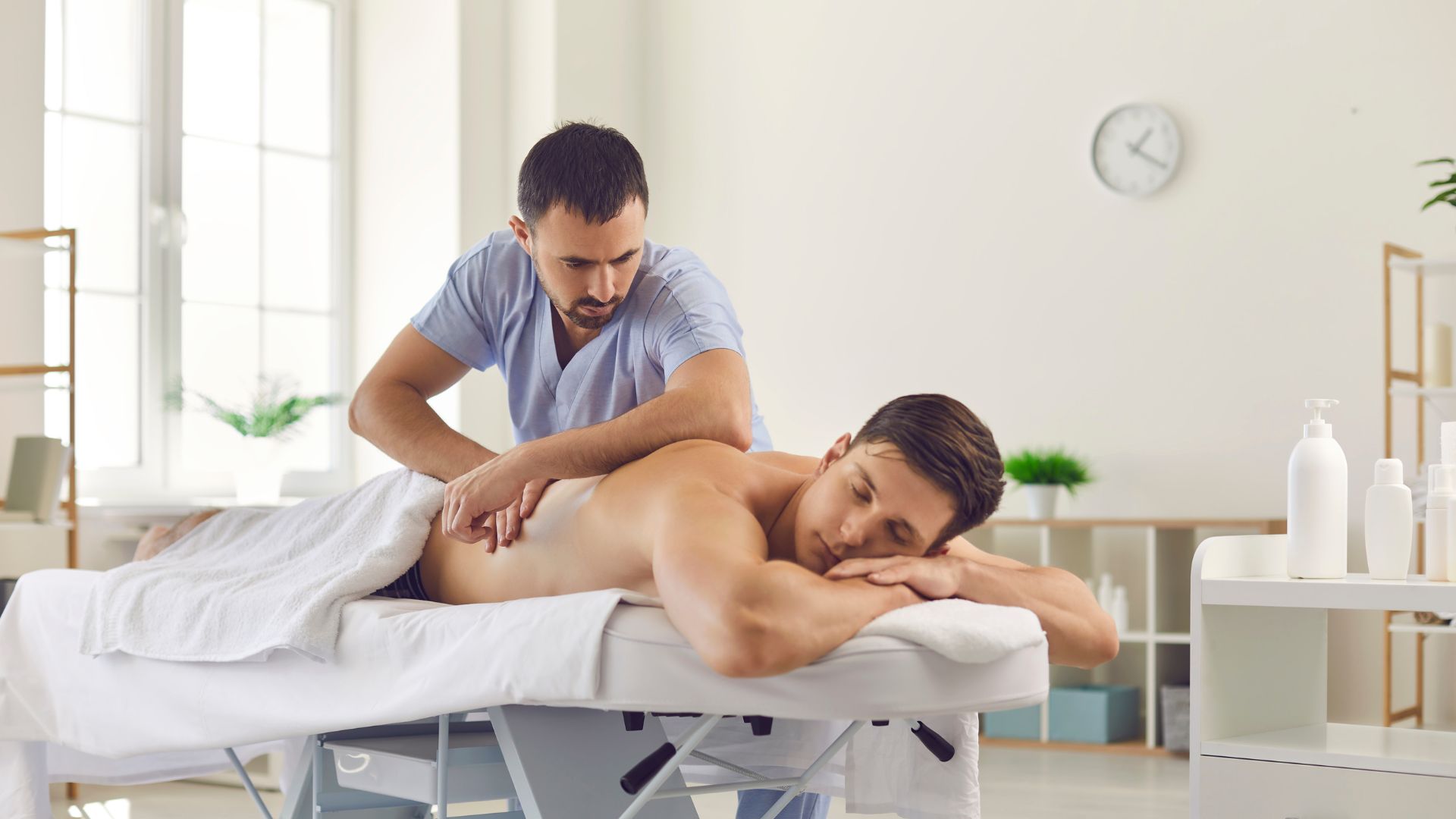
- Myofascial release and massage therapy – Tight muscles surrounding the spine can worsen compression. Soft tissue therapies like myofascial release help improve spinal flexibility and reduce muscle tension that puts pressure on the nerves.
- Cold laser therapy – also known as red light therapy – helps reduce inflammation within the spinal canal and supports tissue healing at a cellular level.
- Corrective exercise and posture guidance – Chiropractic care provides patients with exercises that strengthen the muscles supporting the spine. Improving posture reduces the mechanical load on the vertebra and can slow the progression of degenerative changes.
Can a Chiropractor Help With Severe or Chronic Cases?
Combining chiropractic care with other conservative treatment options – such as physical therapy and lifestyle modifications – gives patients with spinal stenosis the best outcomes outside of spinal surgery. Chiropractic care offers a structured, evidence-informed path to alleviate symptoms of spinal stenosis and help manage day-to-day function.
Chiropractors can help manage patients even in moderate to advanced cases, though the approach is adjusted based on each individual’s response to treatment. Combining chiropractic with massage, decompression, and rehab makes the overall strategy more comprehensive.
Living with spinal stenosis doesn’t have to mean accepting constant pain or rushing into surgery.
Spinal stenosis treatment through chiropractic care is a legitimate, research-supported option for many patients. Palmer College of Chiropractic and other institutions have contributed to growing clinical evidence supporting non-surgical management.
Conclusion
If you’re looking for help with spinal stenosis, chiropractic care is worth a serious conversation.
At Elite Chiropractic Rehab and Wellness in Walnut Creek, Dr. Ben Rosenstein and Dr. Tony Cresci specialize in non-invasive spinal stenosis treatment – including spinal decompression, cold laser therapy, and customized rehab programs. Managing spinal stenosis starts with understanding your options. Reach out to the team (opens in a new tab) at ECRW by calling 925-476-5070 or visiting elitecrw.com (opens in a new tab) to schedule a consultation and take the first step toward real relief.