Walnut Creek Advanced Sports Therapy

Gymnastics Injury Care for Young Athletes in Concord & Walnut Creek

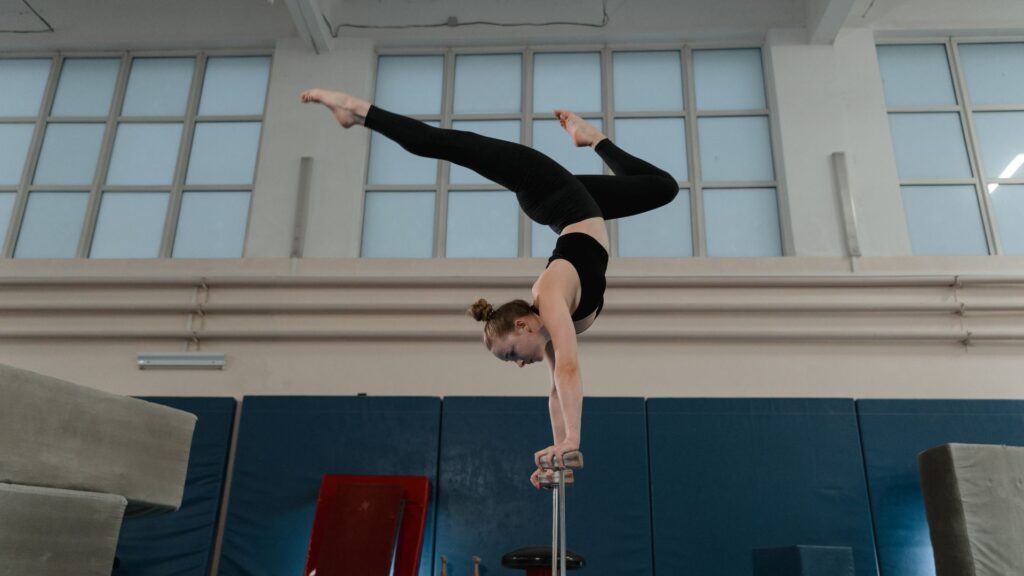
Young gymnasts are strong, disciplined, and incredibly driven. From tumbling passes and vault landings to bars, beam, flexibility work, and conditioning, gymnastics places constant demand on a growing athlete’s body.

At Elite Chiropractic Rehab & Wellness, we help young athletes in Concord, Walnut Creek, and nearby East Bay communities address gymnastics-related pain, improve movement, and recover with a plan that supports long-term athletic development. Whether your gymnast is dealing with wrist pain, ankle soreness, low back tightness, knee pain, shoulder strain, or recurring discomfort after practice, our goal is to help them move better and return to training with confidence.
best Chiropractic Services​ walnut creekwalnut creek

Helping Young Gymnasts Recover, Move Better, and Stay Active

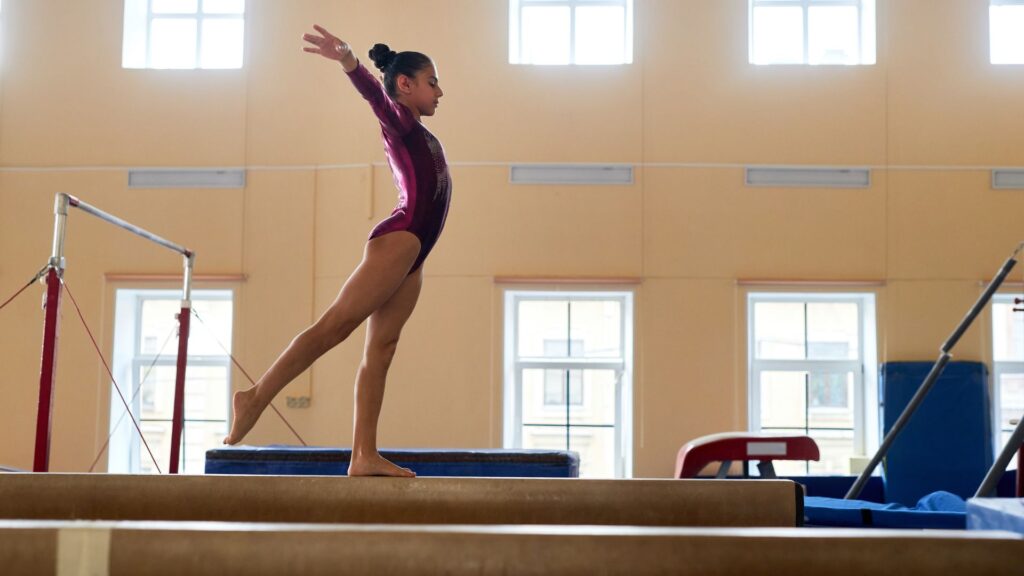
Gymnastics is one of the most physically demanding sports for young athletes. It requires strength, flexibility, balance, coordination, power, and body control, often at a young age.
Because gymnastics involves repeated impact, weight-bearing through the hands, deep flexibility positions, and high-skill movements, pain can develop gradually over time or appear after a hard landing or missed skill.
For many young gymnasts, discomfort starts small. A wrist feels sore after tumbling. An ankle feels unstable after a landing. The lower back hurts after bridges or back walkovers. A knee starts aching during jumps or conditioning. At first, the athlete may keep training and hope it goes away.
However, pain that keeps returning can change how a gymnast moves. When the body compensates, one issue can lead to more stress in another area. Early care can help identify what is contributing to the problem and guide a safer path forward.

Supporting Gymnastics Families in Concord, Walnut Creek, and Nearby East Bay Communities
Elite Chiropractic Rehab & Wellness is proud to support families with young gymnasts throughout Concord, Walnut Creek, and nearby communities. Our sports rehab approach is a natural fit for athletes and parents connected with local gymnastics programs, including:
massage-therapy-walnut-creek

Common causes of Gymnastics injuries in young athletes include:

Whether your child is building foundational skills or training through a competitive schedule, pain should not be treated as something they simply have to push through. Young athletes need care that looks at the whole body and helps them move with better control, strength, and confidence.

Is Your Young Gymnast Training Through Pain?

Some soreness after practice can be normal, especially after conditioning or learning new skills. But pain that keeps coming back, changes how your child moves, or limits their ability to participate is different from normal training fatigue.
Parents may notice signs before athletes say much about them. Your gymnast may start avoiding certain skills, favor one side during landings, complain after practice, or seem nervous about movements that used to feel comfortable.
massage-therapy-walnut-creek
A young gymnast may benefit from an evaluation if they are experiencing:

Pain does not always mean a serious injury, but it does mean the body needs attention.

Common Gymnastics Injuries in Young Athletes

Gymnastics injuries can happen from sudden impact, repetitive loading, flexibility demands, or overuse. Because young athletes are still growing, they may also experience changes in strength, mobility, and coordination that affect how their bodies handle training.
Below are some of the most common areas affected in young gymnasts.

Wrist Pain and Overuse Injuries

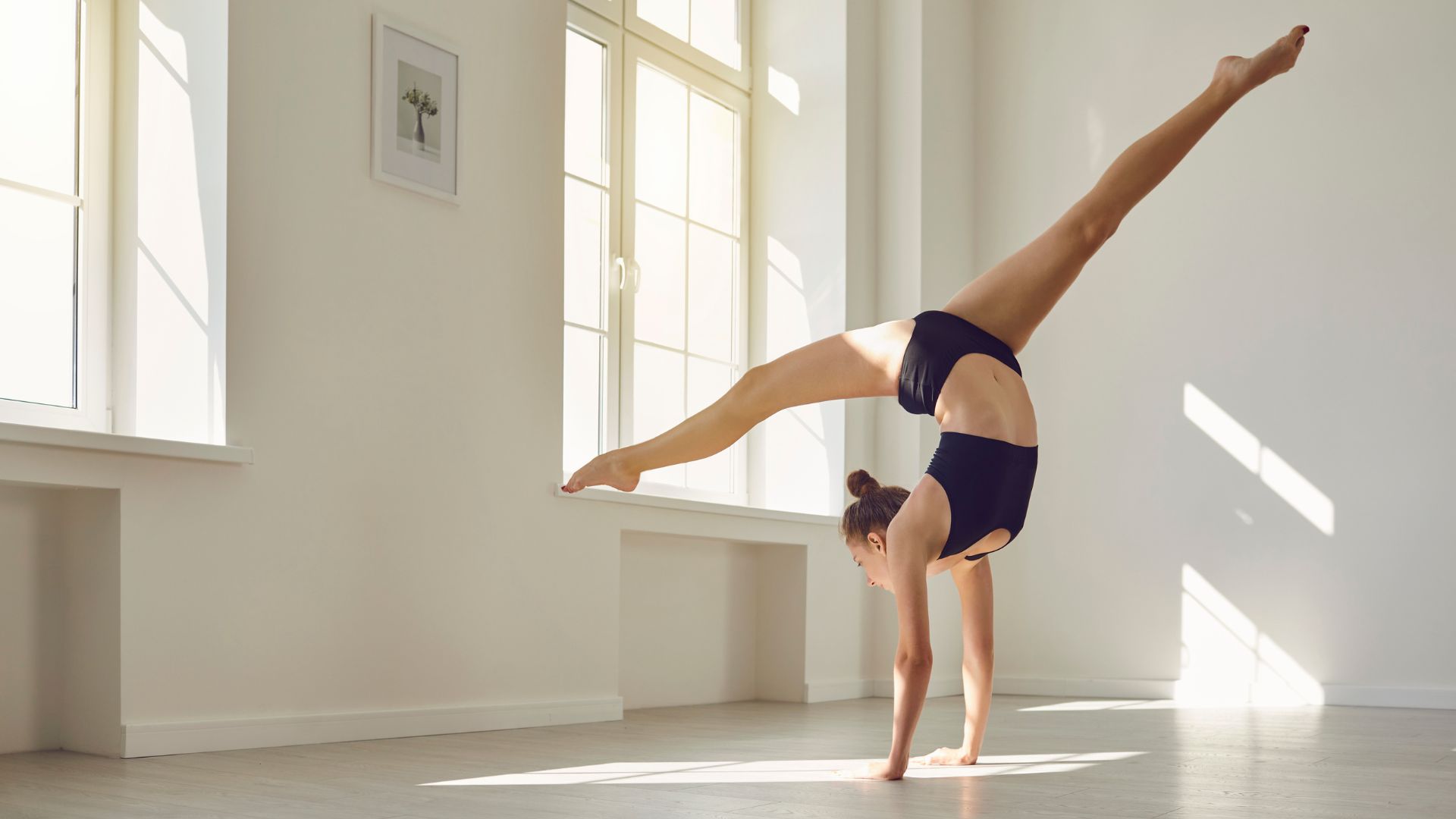
Wrist pain is common in gymnastics because athletes repeatedly bear weight through their hands. Tumbling, handstands, cartwheels, vault, bars, and conditioning can all place stress on the wrists.
A gymnast may feel pain when placing the hands on the floor, pushing through the wrist, gripping the bar, or landing out of a skill. In some cases, wrist discomfort may be related to overuse, limited mobility, strength imbalance, or training volume.
Care should look beyond the wrist alone. Shoulder control, upper back mobility, core strength, and hand placement can all influence how much stress travels through the wrists.

Ankle Sprains and Landing Injuries

Gymnasts rely on their ankles for landings, balance, jumping, tumbling, and beam work. A rolled ankle or hard landing can create pain, swelling, instability, or hesitation when returning to skills.
Even after the initial pain improves, some athletes continue to feel unstable or unsure during landings. Without proper recovery, the body may compensate by changing landing mechanics, which can increase stress on the knees, hips, or back.
A strong return-to-gymnastics plan should support ankle mobility, strength, balance, coordination, and landing control.

Knee Pain and Growth-Related Stress

Jumping, landing, squatting, lunging, and repeated conditioning can place high demand on the knees. Young gymnasts may feel pain in the front of the knee, around the kneecap, or near growth-related areas during certain movements.
Knee pain may be influenced by hip strength, ankle mobility, landing mechanics, training volume, or growth changes. If a gymnast is landing with poor control or favoring one side, the knees may absorb more stress than they should.
Evaluating the whole lower body can help identify what may be contributing to recurring knee discomfort.

Low Back Pain in Gymnasts

Low back pain is a common concern in gymnastics because the sport requires repeated extension, arching, bridging, twisting, and impact. Skills such as back walkovers, back handsprings, bridges, and certain beam or floor movements can place extra stress on the lower back.
Some gymnasts rely too much on the low back instead of using the hips, core, and upper back efficiently. Others may develop pain during heavy training blocks, growth spurts, or repeated flexibility work.
Low back pain should not be ignored, especially if it is recurring, sharp, worsening, or affecting daily activity.

Shoulder Pain and Upper Body Strain

The shoulders play a major role in gymnastics. Bars, handstands, vault, tumbling, and conditioning all require strength and stability through the shoulders, shoulder blades, upper back, and core.
If a gymnast lacks shoulder stability or mobility, the shoulder may become irritated during repeated overhead or weight-bearing movements. Pain may appear during handstands, pushing, pulling, gripping, or supporting body weight.
A movement-based evaluation can help determine whether the shoulder is being overloaded because of weakness, mobility restrictions, technique stress, or compensation from another area.

Hip Pain and Flexibility-Related Strain

Gymnastics demands flexibility through the hips, hamstrings, hip flexors, and lower back. Splits, leaps, jumps, kicks, walkovers, and dance elements all require a high range of motion.
When flexibility is forced without enough strength and control, discomfort can develop. Hip pain may also be connected to strength imbalance, growth changes, or repeated impact.
For young athletes, the goal is not only to be flexible. The goal is to have mobility with control.

Why Gymnastics Injuries Happen in Growing Athletes
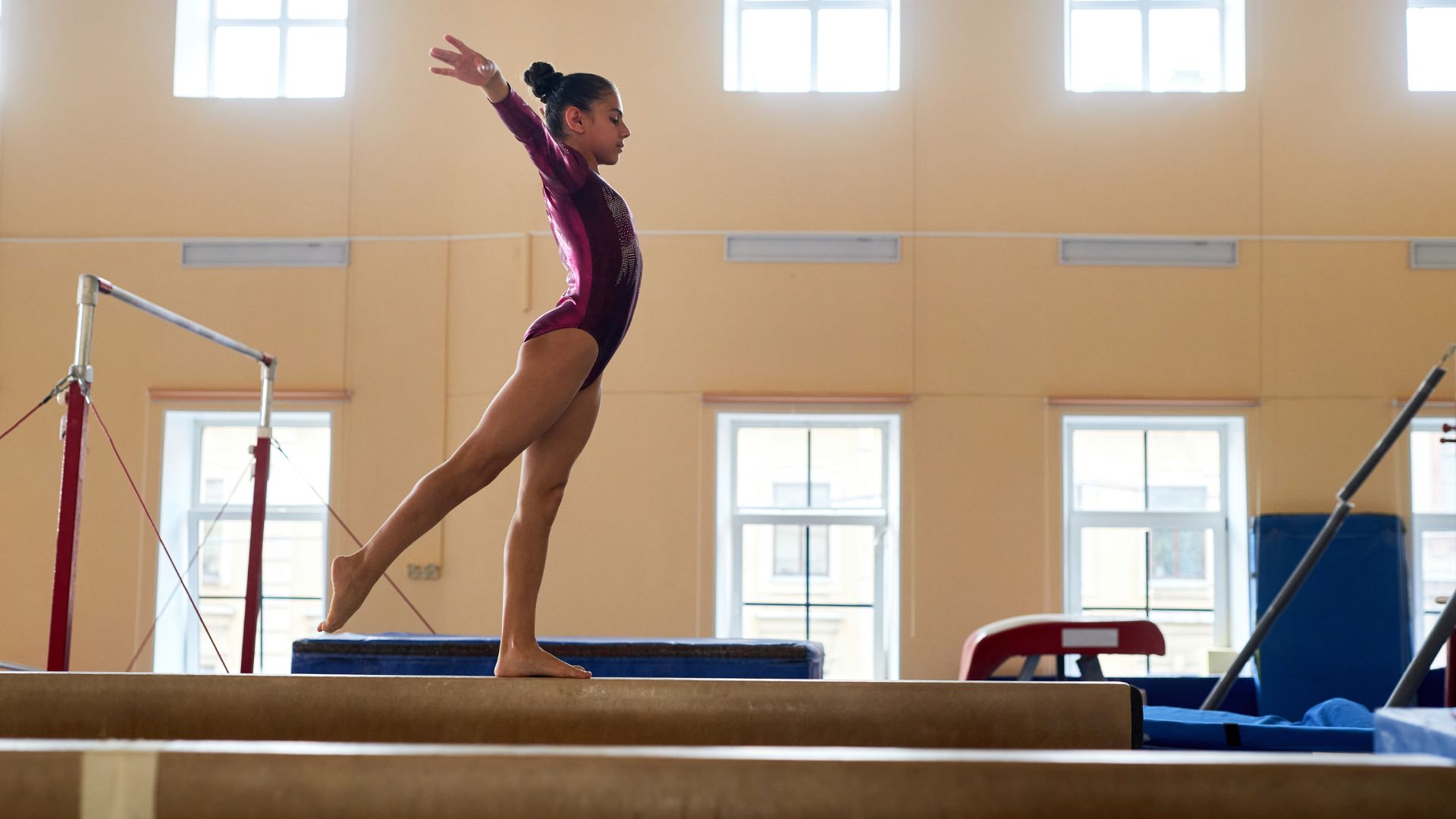
Young gymnasts are still developing physically. Growth spurts can temporarily change coordination, flexibility, balance, and strength. At the same time, many gymnasts train several days per week and repeat the same skills many times.
massage-therapy-walnut-creek
Gymnastics injuries may happen because of:

Pain is not always caused by one single thing. Often, it develops from several small issues that build over time.

When Should a Young Gymnast Be Evaluated?
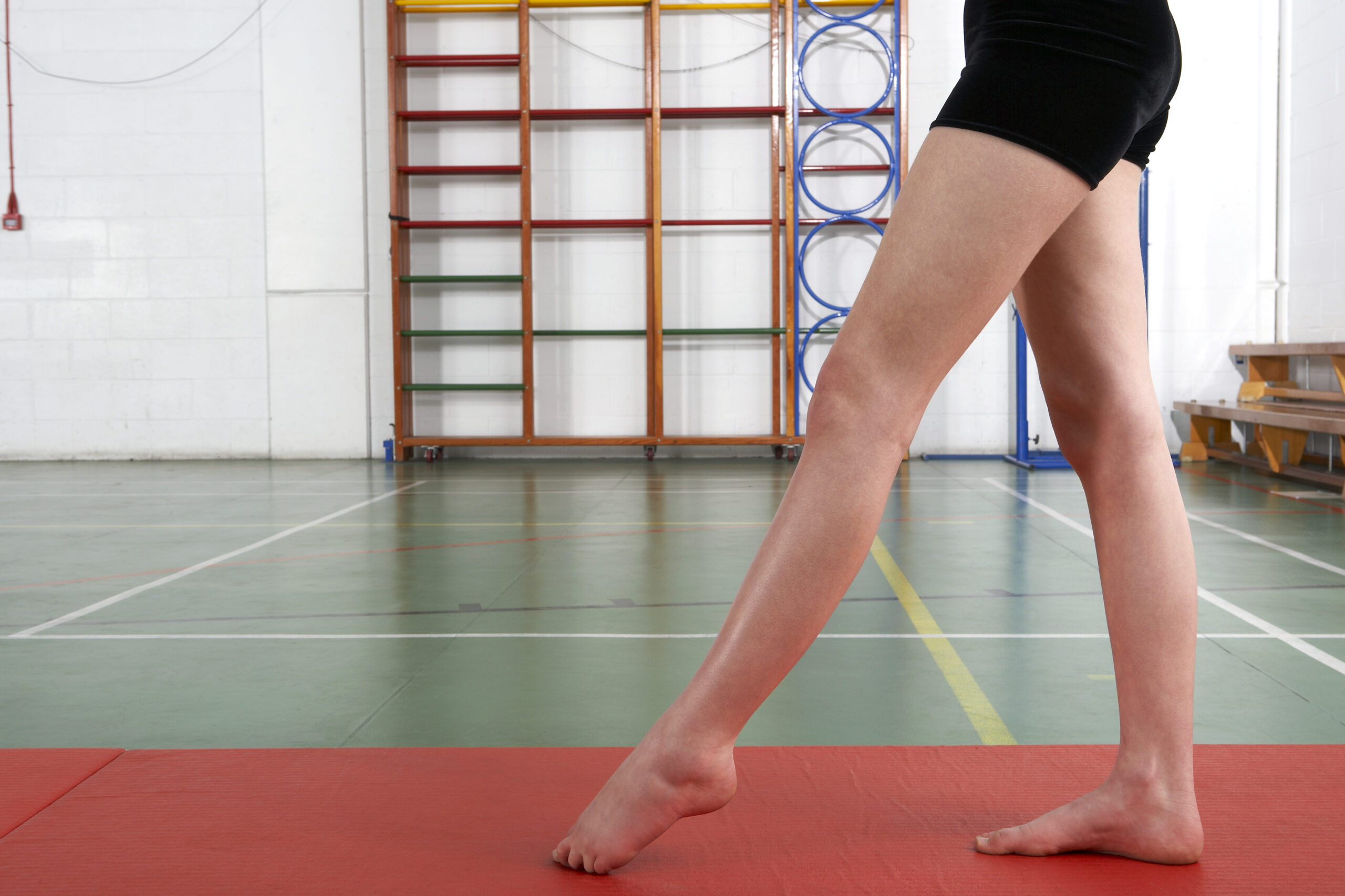
A young gymnast should be evaluated when pain does not improve as expected, keeps returning, or affects movement, confidence, or participation.
massage-therapy-walnut-creek
Consider scheduling an appointment if your gymnast has:
If symptoms are severe, sudden, or related to a traumatic injury, parents should seek appropriate medical care right away. For training-related pain, stiffness, recurring soreness, and movement limitations, sports rehab care can help identify contributing factors and guide next steps.

Our Sports Rehab Approach for Young Gymnasts

At Elite Chiropractic Rehab & Wellness, we take a movement-focused approach to gymnastics injury care. Instead of only focusing on where it hurts, we look at how the body is moving as a whole.
Gymnastics requires the wrists, shoulders, spine, hips, knees, ankles, and core to work together. When one area is limited or overloaded, another area may compensate. Our goal is to help young athletes improve movement quality, reduce unnecessary stress, and return to training with a stronger foundation.
1

Movement and Mobility Assessment

We start by evaluating how your gymnast moves. This may include wrist mobility, shoulder control, spinal motion, hip mobility, ankle stability, balance, posture, strength, and landing mechanics.

For gymnasts, the painful area is not always the only area that needs attention. Wrist pain may be influenced by shoulder or upper back mechanics. Low back pain may be affected by hip mobility or core control. Knee pain may be connected to landing mechanics or ankle stiffness.

A full movement assessment helps us understand what may be contributing to the issue and how to build a more personalized plan.

2

Soft Tissue and Muscle Recovery Support

Gymnastics can create tightness and irritation in muscles that are repeatedly loaded during practice. Soft tissue work may be used to help address muscle tension, improve comfort, and support better movement.

Depending on the athlete’s needs, care may include support for the wrists, forearms, shoulders, neck, upper back, low back, hips, legs, or ankles.

3

Chiropractic Care When Appropriate

Chiropractic care may be part of a young gymnast’s care plan when joint mobility, spinal movement, or movement restrictions are contributing to symptoms.

At Elite Chiropractic Rehab & Wellness, care is personalized to the athlete. We focus on what is appropriate for the individual, with the goal of improving movement and supporting better function.

4

Strength, Stability, and Return-to-Gymnastics Support

Recovery is not only about reducing pain. Young athletes also need to regain strength, control, balance, and confidence before returning fully to skills.

We may include exercises that support wrist stability, shoulder control, core strength, hip strength, ankle stability, mobility, and landing mechanics. The goal is to help gymnasts return to activity in a way that is safer, more controlled, and more sustainable.

For some athletes, care may also include activity modification while symptoms improve. This may mean adjusting certain skills, limiting impact, changing conditioning exercises, or gradually progressing back to full training.

Care That Helps Gymnasts Return With Confidence

Young gymnasts want to keep training, improving, and doing the sport they love. Pain can be frustrating, especially when it affects skills they used to perform comfortably.

Our role is to help athletes recover with a plan that supports better movement, not just short-term relief. We focus on function, strength, mobility, and education so gymnasts can better understand their bodies and recognize when something needs attention.
massage-therapy-walnut-creek
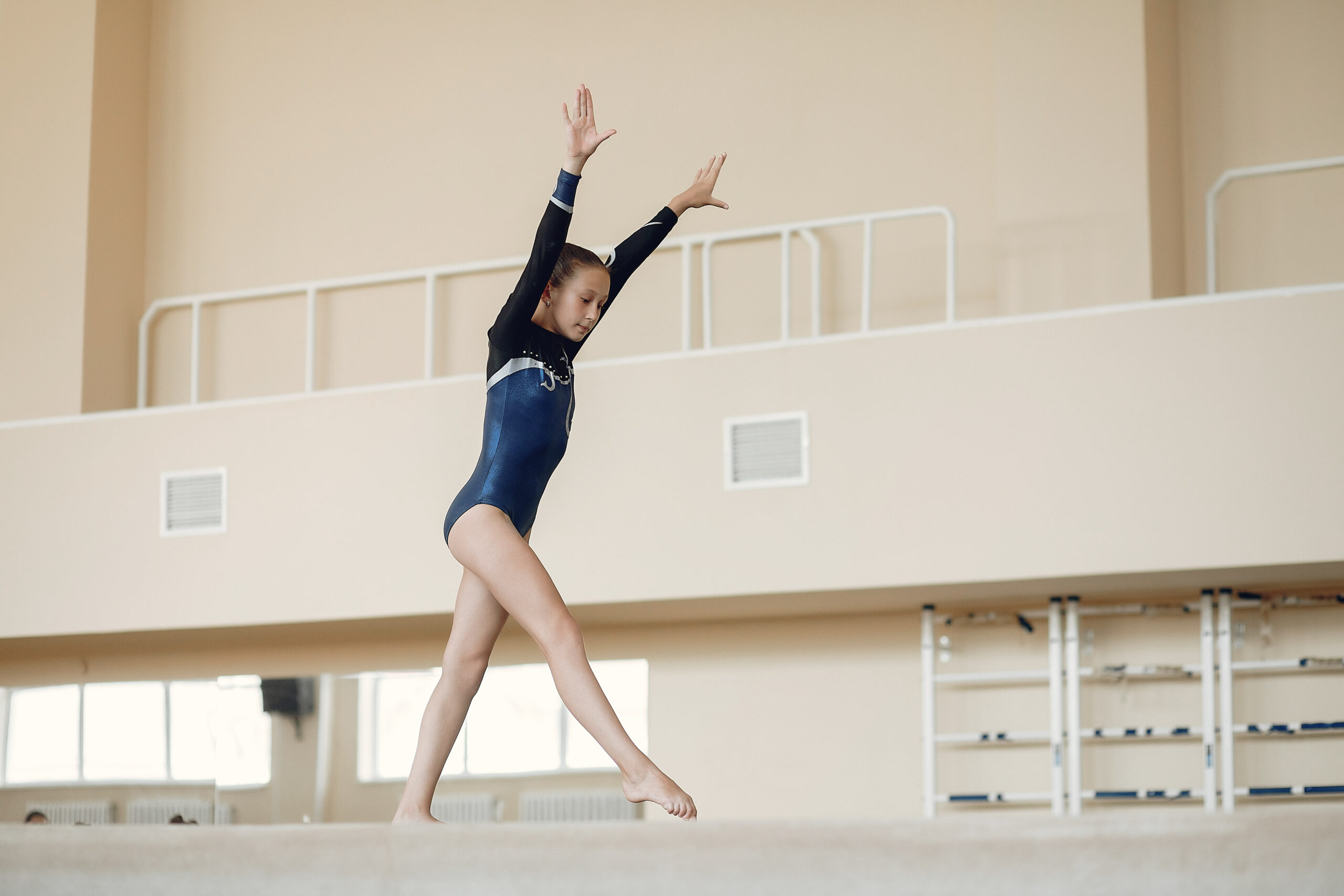
A confident return to gymnastics may include:
Every gymnast is different, so every care plan should be different too.

Helping Parents Know When Pain Is More Than Soreness

It can be hard for parents to know when gymnastics pain needs attention. Young athletes are often motivated and may not want to miss practice, especially if they are preparing for a meet or trying to master a new skill.
However, recurring pain should not be ignored. Rest may reduce symptoms temporarily, but if the same pain returns when training resumes, there may be an underlying movement or load issue that needs to be addressed.
Early care can help parents understand what may be contributing to the problem and what steps may help their gymnast move forward. It can also help young athletes feel more confident because they have a clearer plan.
Spinal-Decompression-walnut-creek-ca

Why Choose Elite Chiropractic Rehab & Wellness for Gymnastics Injury Care?

Elite Chiropractic Rehab & Wellness provides chiropractic care and sports rehab therapy for active individuals in Walnut Creek and nearby East Bay communities. Our team understands how important movement is for young athletes, especially gymnasts who rely on strength, flexibility, balance, and body control.
Families choose Elite Chiropractic Rehab & Wellness because we offer:

We do not believe young athletes should have to guess their way through pain. With the right evaluation and care plan, gymnasts can better understand what is happening and how to move forward.

Local Gymnastics Programs We’re Proud to Support

Elite Chiropractic Rehab & Wellness is proud to be a resource for gymnastics families throughout Concord, Walnut Creek, and nearby East Bay communities. If your young athlete participates in a local gymnastics program, we are here to help with sports rehab support, injury care, and movement-focused guidance.

Encore

Families connected with Encore can turn to Elite Chiropractic Rehab & Wellness for local gymnastics injury care near Concord and Walnut Creek. If your gymnast is dealing with wrist pain, ankle soreness, back tightness, or training-related discomfort, our team can help assess the issue and recommend next steps.

Liberty

For Liberty athletes, gymnastics training can place high demand on the wrists, shoulders, spine, knees, hips, and ankles. We support young gymnasts and families looking for care that helps improve movement and support recovery.

East Bay Gymnastics

East Bay Gymnastics families may benefit from local sports rehab care when pain starts affecting training, confidence, or performance. Our approach helps identify movement limitations and strength deficits that may contribute to recurring discomfort.

Ultimate Sports Connection

Ultimate Sports Connection athletes often participate in movement-based training that requires strength, control, power, and coordination. Whether your child is involved in gymnastics, tumbling, cheer, or related activities, we provide injury care and rehab support designed around young athletes.

Schedule Gymnastics Injury Care Near Concord and Walnut Creek

If your young gymnast is dealing with wrist pain, ankle pain, back tightness, knee pain, shoulder strain, hip discomfort, or recurring soreness after practice, Elite Chiropractic Rehab & Wellness is here to help.
We proudly support gymnastics families from Concord, Walnut Creek, and nearby East Bay communities. Whether your child is connected with Encore, Liberty, East Bay Gymnastics, Ultimate Sports Connection, or another local program, we can help you take the next step.
Schedule an appointment today and help your young gymnast move better, recover stronger, and return to training with confidence.

Tips to Help Reduce Gymnastics Injury Risk

Not every gymnastics injury can be prevented, but smart habits can help reduce unnecessary stress on the body.
Parents and athletes can support healthier training by focusing on the following.

Warm Up Before Practice

A good warm-up prepares the wrists, shoulders, spine, hips, knees, ankles, and core for the demands of training. Young gymnasts should not rely on the first few skills of practice to warm up tight muscles and joints.

Build Strength Alongside Flexibility

Flexibility is important in gymnastics, but mobility without strength and control can increase injury risk. Athletes need strength through the full range of motion they use during skills.

Practice Landing Mechanics

Landings matter. Better landing control can help reduce stress on the ankles, knees, hips, and back. Coaches and athletes should pay attention to alignment, balance, and consistency during landings.

Address Wrist and Shoulder Load

Because gymnasts spend so much time bearing weight through the hands, the wrists and shoulders need proper mobility, strength, and recovery. Pain during handstands, tumbling, vault, or bars should not be ignored.

Respect Recovery Time

Growing athletes need recovery. Heavy training schedules, school demands, and meet preparation can all add up. Rest and recovery are part of long-term performance.

Communicate With Coaches

Gymnasts should feel comfortable telling coaches when something hurts. Coaches can often adjust drills, reduce repetitions, or modify certain skills while the athlete gets evaluated.

Do Not Push Through Sharp or Recurring Pain

Soreness and fatigue can be normal, but sharp pain or recurring pain is different. These symptoms should be checked instead of ignored.

Frequently Asked Questions

What are the most common injuries in young gymnasts?
Common gymnastics-related injuries include wrist pain, ankle sprains, knee pain, low back pain, shoulder strain, hip pain, and overuse injuries. Many of these issues are related to repetition, impact, flexibility demands, strength imbalance, or training volume.
Your child should be evaluated if pain lasts more than a few days, returns after every practice, affects movement, causes limping, limits training, or makes them hesitant to perform certain skills. Early evaluation can help identify contributing factors before the issue becomes more difficult to manage.
Chiropractic care may help support joint mobility, spinal function, and movement quality when it is appropriate for the athlete’s condition. At Elite Chiropractic Rehab & Wellness, chiropractic care may be combined with sports rehab, soft tissue work, mobility training, and strengthening exercises based on the gymnast’s needs.
Not always. Some gymnasts may need temporary rest, while others may be able to continue with modified activity. The right plan depends on the type of pain, severity of symptoms, and how the athlete responds to movement. Our goal is to help families understand what is safe and what should be adjusted.
Recurring wrist pain may be related to repeated weight-bearing through the hands, limited wrist mobility, shoulder weakness, upper back stiffness, training volume, or incomplete recovery. A movement assessment can help identify what may be contributing to the pain.
Low back pain in gymnasts may be connected to repeated extension, bridges, back walkovers, back handsprings, twisting, poor core control, hip mobility limitations, or heavy training loads. Because young athletes are still growing, recurring back pain should be evaluated rather than ignored.
Parents can help by encouraging proper warm-ups, supporting recovery days, making sure pain is reported early, watching for limping or movement changes, and seeking care when discomfort keeps returning. Strength, mobility, landing mechanics, and communication with coaches are also important.
Yes. Elite Chiropractic Rehab & Wellness supports young athletes and families from Concord, Walnut Creek, and nearby East Bay communities. We welcome gymnasts from local programs who need help with sports-related pain, mobility issues, or return-to-activity support.

Help Your Young Gymnast Recover Stronger and Move With Confidence

Gymnastics pain should not be something your child has to push through all season. If discomfort is affecting practice, performance, or confidence, getting evaluated can help your family understand what is happening and what to do next.
Elite Chiropractic Rehab & Wellness provides gymnastics injury care and sports rehab support for young athletes in Concord, Walnut Creek, and nearby East Bay communities.
Scroll to Top