
Living with scoliosis can be challenging and may leave you with many questions about effective treatment options.
At Elite Chiropractic Rehab & Wellness, we strive to offer insights and support to those navigating scoliosis and related spinal conditions. One potential treatment option gaining attention is spinal decompression therapy. But can spinal decompression help scoliosis?
Let’s explore this therapy, its potential benefits, and how it may fit into a comprehensive scoliosis treatment plan.
Understanding Scoliosis: What You Need to Know
Scoliosis is a condition where the spine curves sideways. More than just affecting the back’s appearance, scoliosis can cause pain, reduce flexibility, and lead to complications if left untreated. It’s often detected during adolescence, although adults can experience it too.
Understanding scoliosis, its symptoms, and the various treatment options available is crucial for managing it effectively.
Symptoms of Scoliosis
Common symptoms of scoliosis include:
- Uneven shoulders
- One shoulder blade appears more prominent
- Uneven waist or hips
- Pain and discomfort in the back
Adult scoliosis may present additional challenges, such as chronic pain and low back pain due to degenerative changes. It’s important for both adolescents and adults to seek proper evaluation to determine the scoliosis treatment options.
Spinal Decompression and Its Role in Scoliosis Treatment
What Is Spinal Decompression?
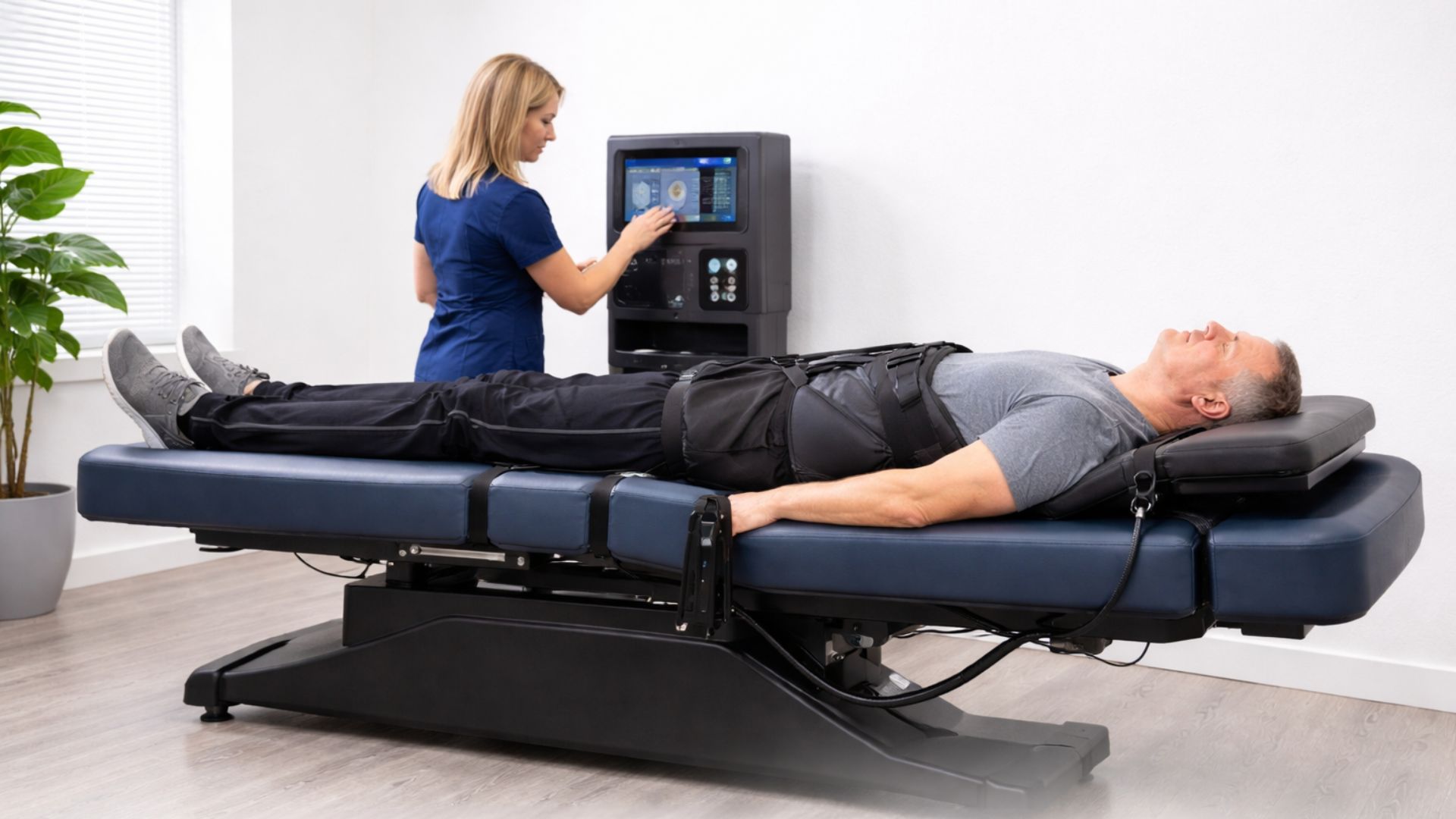
Spinal decompression therapy involves gently stretching the spine to change its position and relieve pressure on the vertebrae and discs. This change in pressure can help alleviate pain by promoting the movement of water, oxygen, and nutrient-rich fluids into the discs.
It’s considered a non-invasive scoliosis treatment and is often used for conditions like herniated disc, spinal stenosis, and keyword nerve compression.
Potential Benefits of Spinal Decompression for Scoliosis Patients
For those dealing with scoliosis pain, spinal decompression therapy (opens in a new tab) may offer several potential benefits:
- Reduction in pain and discomfort: By relieving pressure on the spinal cord and nerves, individuals with scoliosis may experience less pain.
- Improved spinal alignment: Adjustments and decompression therapy can help improve spinal posture, potentially correcting the spinal curvature over time.
- Maintaining spinal flexibility: Regular therapy can contribute to overall spinal health, helping to maintain functional flexibility.
- Part of a comprehensive treatment: When combined with other treatment modalities like chiropractic care, physical therapy, or orthotics, spinal decompression can enhance treatment effectiveness.
Options Like Decompression for Scoliosis
While spinal decompression is a viable option for some, it’s essential to consider other treatments for scoliosis:
- Chiropractic: Spinal adjustments may help manage scoliosis and associated pain.
- Physical Therapy: Exercises can improve muscle balance and spinal alignment.
- Traction (orthopedics): A form of therapy that applies tension to the spine, sometimes used in scoliosis care.
- Surgery: Surgical treatment options such as spinal fusion or decompression surgery may be considered for severe cases of scoliosis where non-invasive therapies are insufficient.
Common Questions About Spinal Decompression and Scoliosis
Can Spinal Decompression Help Relieve Pain for Scoliosis Patients?
Many patients ask, “Is spinal decompression good for scoliosis?” The answer largely depends on the individual’s condition and treatment goals. Decompression can help relieve pain and improve the quality of life, particularly in those with mild to moderate scoliosis.
How Does Spinal Decompression Work?
Spinal decompression therapy involves a specialized table or device. The patient is gently stretched, altering the spine’s position to encourage healing. This therapy for scoliosis relies on reducing nerve compression and improving spinal health.
Who Can Benefit from Spinal Decompression?
Patients with lumbar disc issues, adult scoliosis, or those experiencing muscle imbalance related to scoliosis may find relief through this therapy. However, it’s essential to consult with a healthcare provider to determine the best treatment plan.
Integrating Spinal Decompression into a Scoliosis Treatment Plan
For effective treatment of scoliosis, a personalized and well-rounded plan is essential. At Elite Chiropractic Rehab & Wellness (opens in a new tab), we understand that each patient is unique. Here’s how our approach can help patients manage scoliosis:
- Initial Assessment: A thorough evaluation of the patient’s spinal column, posture, and pain levels.
- Customized Treatment Plan: Combining spinal decompression with appropriate therapies based on individual needs.
- Ongoing Support and Care: Regular follow-ups to monitor progress, adjust treatment as necessary, and provide support for living with scoliosis.
Conclusion: Embrace the Potential Benefits of Spinal Decompression
Exploring various treatment options for scoliosis is crucial for long-term management and quality of life. Spinal decompression offers a promising path for many patients by helping to relieve pain, improve spinal alignment, and enhance flexibility.
As part of a comprehensive treatment plan, it can be a powerful tool in the scoliosis care arsenal.
If you or a loved one is struggling with scoliosis, consider reaching out to Elite Chiropractic Rehab & Wellness (opens in a new tab). With our expertise and commitment to your health, we’re here to help guide you through the complexities of scoliosis treatment. Visit our website (opens in a new tab) to learn more about spinal decompression therapy benefits and embark on your journey to pain relief today.